
Trump lawsuits against major media raise press freedom concerns
JournalismPakistan.com | Published: 25 January 2026 | JP Global Monitoring
Join our WhatsApp channel
President Trump has filed lawsuits against multiple major news outlets, alleging reputational harm; media experts warn the cases could chill investigative reporting while courts weigh the high legal standard required for public figures.Summary
WASHINGTON — U.S. President Donald Trump has filed a series of defamation and related lawsuits against major media organizations since returning to office, according to reporting by Reuters and The Washington Post. The legal actions target several prominent outlets, including ABC, CBS, The Washington Post, The New York Times, CNN, and the BBC, escalating long-running tensions between Trump and sections of the U.S. press.
The lawsuits form part of a broader pattern of confrontations with news organizations that Trump has accused of unfair or inaccurate coverage. Legal filings and public statements cited by U.S. media describe claims centered on alleged reputational harm arising from reporting during and after the presidential campaign period.
Legal hurdles for public figure defamation claims
U.S. legal scholars note that defamation cases involving public figures face a high legal threshold under American law. Plaintiffs must demonstrate that disputed reporting was not only false but published with actual malice, meaning knowledge of falsity or reckless disregard for the truth, a standard established by long-standing Supreme Court precedent.
Some of the cases have drawn attention because of their timing alongside major corporate activity involving media companies, including mergers or restructuring, according to Reuters reporting. Other lawsuits remain active in U.S. courts, with outcomes that could take months or longer to resolve.
Concerns over the impact on investigative journalism
Press freedom organizations and media law experts have warned that a sustained legal campaign against news outlets could have a chilling effect on investigative reporting. They argue that the cost and risk of prolonged litigation may discourage newsrooms from pursuing aggressive coverage of those in power, even when reporting is well-sourced and in the public interest.
The legal actions have also intensified debate in the United States about the relationship between political power and press independence. Media analysts say the cases are being closely watched internationally as indicators of how democratic governments engage with critical journalism.
WHY THIS MATTERS: The developments highlight how legal pressure can be used as a strategic tool against news organizations, a trend Pakistani journalists are increasingly familiar with. Understanding the high evidentiary standards applied in U.S. defamation law can inform newsroom risk assessments and legal preparedness in Pakistan. The situation also underscores the importance of strong editorial processes and documentation when reporting on powerful political figures.
ATTRIBUTION: Reporting based on Reuters and The Washington Post.
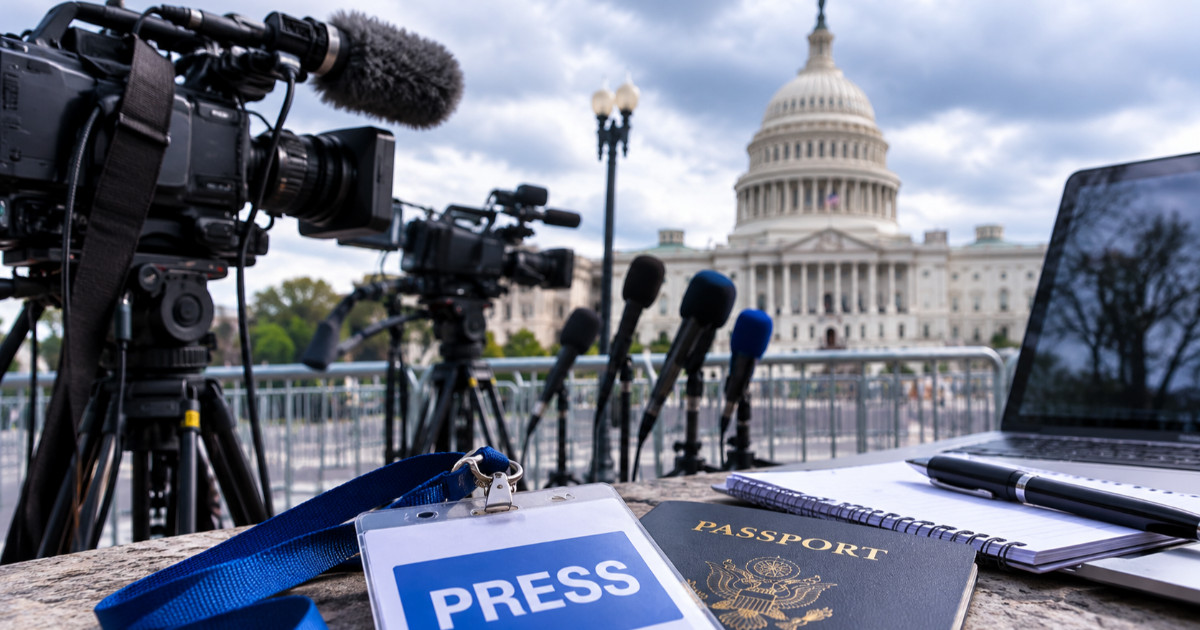
PHOTO: Pixabay
Key Points
- Trump has filed defamation and related suits against outlets including ABC, CBS, CNN, The Washington Post, The New York Times, and BBC.
- Legal claims focus on alleged reputational harm from coverage during and after the presidential campaign.
- Defamation suits by public figures face the high "actual malice" standard under US law.
- Some cases coincide with major corporate activity at media companies, adding scrutiny to their timing and impact.
- Press freedom groups warn that sustained litigation could chill investigative journalism while courts take months or longer to resolve the cases.
Relevant Topics
Ask AI: Understand this story your way
AI EnabledDig deeper, ask anything — get instant context, background, and clarity.
Disclaimer: This feature is powered by AI and is intended to help readers explore and understand news stories more easily. While we strive for accuracy, AI-generated responses may occasionally be incomplete or reflect limitations in the underlying model. This feature does not represent the editorial views of JournalismPakistan. For our full, verified reporting, please refer to the original article.