
Top press freedom cases shaping global media in 2026
JournalismPakistan.com | Published: 10 February 2026 | JP Special Report
Join our WhatsApp channel
High-profile 2026 legal cases, from Hong Kong national security sentencing and US federal charges to Pakistani detentions, are being watched for their potential to redefine journalistic rights, newsroom risk assessments and state regulation of information.Summary
ISLAMABAD — Press freedom advocates and media watchdogs are closely tracking a series of high-profile legal cases this year that could define the boundaries of journalistic rights and government authority. From national security convictions in Asia to criminal charges against journalists in the United States and digital speech cases in South Asia, these developments have significant implications for how newsrooms operate and governments regulate information.
Legal battles involving prominent figures and frontline reporters alike are unfolding across regions, illustrating the growing intersection of law, technology, and journalism. The outcomes of these cases will influence newsroom risk assessments, editorial policies, and international press freedom benchmarks.
Hong Kong national security sentencing and U.S. press freedom charges
In Hong Kong, pro-democracy media tycoon Jimmy Lai was sentenced to 20 years in prison in early 2026 after conviction under the national security law for colluding with foreign forces and publishing materials deemed seditious, a case widely criticized by international rights groups as a blow to independent journalism. In the United States, former CNN anchor Don Lemon was arrested by federal agents following coverage of a Minnesota protest and later faced federal charges alleging violations of the Freedom of Access to Clinic Entrances Act, raising concerns about the treatment of journalists under federal law.
Asia legal challenges and Pakistan cases
In Pakistan, journalist Sohrab Barkat has been in custody for more than two months as he seeks bail from the Supreme Court after filing a post-arrest bail application in a case linked to amendments to the Prevention of Electronic Crimes Act, marking a key test of digital speech protections. Separately, lawyers Imaan Zainab Mazari-Hazir and Hadi Ali Chatha have faced detention in cases linked to their social media posts, highlighting how online expression is increasingly intersecting with criminal law. India’s Supreme Court recently granted interim bail to journalist Mahesh Langa in a money-laundering investigation while imposing reporting restrictions, illustrating how legal proceedings can directly affect newsroom activity.
Defamation and criminalization of dissent
Across South Asia, journalists have faced prosecutions under defamation, cybercrime, and national security laws, with courts in Pakistan and India hearing cases related to alleged anti-state or unlawful digital content. Publicly reported remand orders and bail proceedings illustrate how broad legal provisions can directly affect newsroom operations and individual journalists.
In the Philippines, a court on January 22 convicted community journalist Frenchie Mae Cumpio on charges related to terror financing, drawing condemnation from rights groups and press watchdogs who describe the case as a politically motivated attack on independent journalism. Cumpio, known for covering rural communities and land rights issues in the central Philippines, has been held in detention for nearly six years without a prior conviction, highlighting concerns about prolonged pretrial detention and the application of anti-terrorism laws against journalists. These developments underscore the growing use of criminal and security statutes to regulate media content and the risks they pose to press freedom across the region.
Press freedom crackdowns in Africa and the Middle East
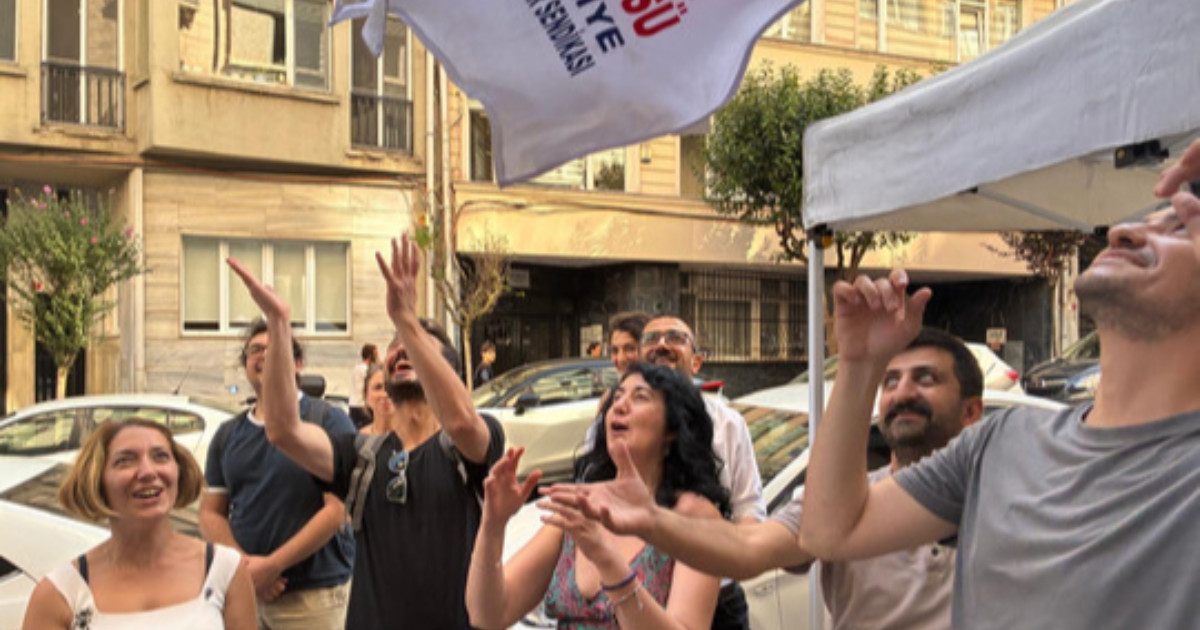
In Mali, the arrest and pretrial detention of editor-in-chief Youssouf Sissoko on charges of spreading false information after critical reporting on regional military leadership underscores how criminal statutes can be used to suppress dissenting media voices. In Türkiye, multiple journalists were detained while covering protests under laws that criminalize speech considered offensive to state authorities, drawing condemnation from international journalist federations.
WHY THIS MATTERS: For Pakistani journalists and media professionals, these global legal battles highlight how national security laws, digital crime statutes, and protest-related charges increasingly intersect with press freedom. Understanding how courts in other jurisdictions handle these cases can inform newsroom legal strategies, risk assessment, and advocacy efforts within Pakistan’s evolving media landscape.
ATTRIBUTION: Reporting based on verified news sources, including Reuters, The Guardian, Journalism Pakistan, CBS News, and the Committee to Protect Journalists, as well as publicly available court records, official government statements, and press freedom organization reports.
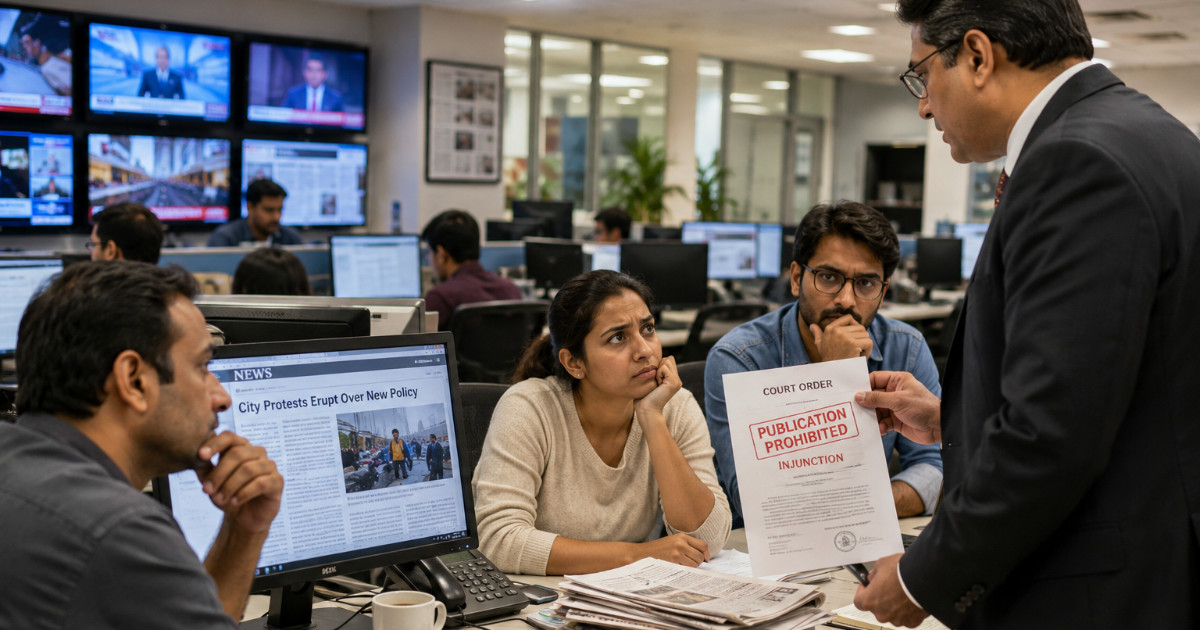
PHOTO: AI-generated; for illustrative purposes only.
Key Points
- Jimmy Lai received a 20-year sentence under Hong Kong's national security law, alarming rights groups.
- Former CNN anchor Don Lemon was arrested and faces federal charges tied to protest coverage.
- Pakistani journalist Sohrab Barkat has been detained for over two months while seeking bail.
- Legal battles across regions illustrate tensions between journalistic rights and state authority.
- Observers warn outcomes could alter newsroom policies, risk assessments and international press freedom benchmarks.
Ask AI: Understand this story your way
AI EnabledDig deeper, ask anything — get instant context, background, and clarity.
Disclaimer: This feature is powered by AI and is intended to help readers explore and understand news stories more easily. While we strive for accuracy, AI-generated responses may occasionally be incomplete or reflect limitations in the underlying model. This feature does not represent the editorial views of JournalismPakistan. For our full, verified reporting, please refer to the original article.