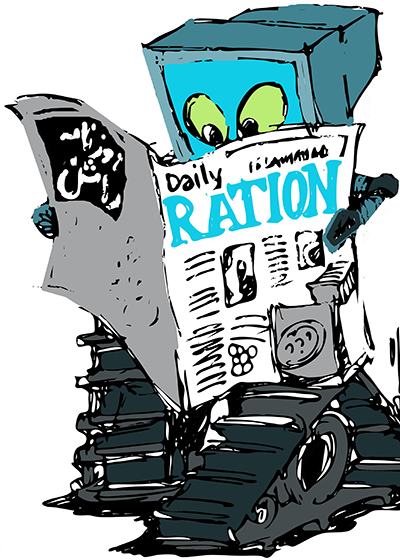

The new face of Pakistani journalism: Bold, beautiful, and unpaid
JournalismPakistan.com | Published: 6 July 2012 | Daud Malik
Join our WhatsApp channel
The article examines how Pakistani journalism has become more aggressive and activist with the rise of TV channels and young reporters. It highlights the long-running problem of delayed or unpaid salaries and the silence of media administrations over wage issues.Summary
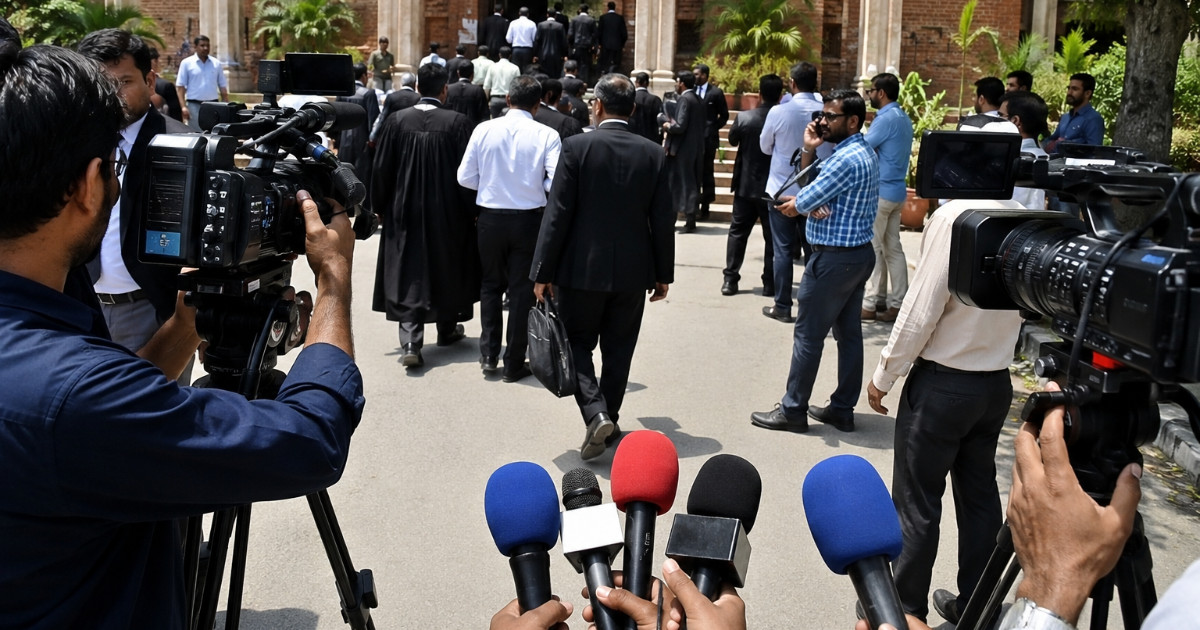
Pakistani journalism has witnessed sea changes over the last decade. It has become more aggressive in its outlook with the arrival of TV channels as has now an army of young journalists, who are bold and beautiful but untrained. Journalism has taken upon itself the role of activism, trying to right the wrongs Pakistan is facing since its birth. Moreover, journalism or media has now a stake in the corridors of power.
But there are trends that never change. Delay in disbursement of staff salaries is one of them. In the days when journalism was a mission in the subcontinent, such delays or not being paid salaries was considered part of the job description. There was a sense of martyrdom attached to this aspect of the “noble profession”. It was a tragedy that people working as journalists understood and lived through it.
This gave journalism a saintly ascetic aura in which one should be ready to suffer for the “ideas” and the “mission”. Perhaps one reason for this sense of mission accompanying journalism was the political suppression Pakistan witnessed in the form of military rules and how the independent voices were muzzled and newspapers and magazines not toeing official line shutdown.
But as the aura of mission waned, journalists started to realize they needed “regular” salaries, gratuity, pension and other facilities including medical. The struggle for landing regular jobs along with fringe benefits has not been smooth.
Even today when newspapers and TV channels publish and talk about everything under the sun, news about “wage board” is run in a way it is not easily spotted by the readers. Attached to the practice of not getting paid at the end of the month is the mystery and silence of the administration.
Rumors abound in such a situation and employees begin to wonder why they were not getting paid when the owners seem to be in no financial trouble at all. As months without salary multiply, the best answer from the administration is “we are in touch with the head office in Lahore/Karachi”. The employees are promised good news, which seldom arrives.
A friend, who took up journalism in the early 90s, says: “Whenever you inquire about the delayed salary, the answer often is: ‘there is some funds problem.’ Of course they would also promise the matter would be resolved in the coming week.” The “coming week” normally comes after the 20th of the month, and sometimes the following month. So the vicious circle continues.
Nowadays when everybody is rushing in for the “welfare” of journalists – just look at the number of workshops, seminars and awards’ ceremonies that are organized for them – nobody really talks about the financial difficulties the journalists face. It is as if this is a taboo. Or perhaps nobody – including the civil society - wants to be on the wrong side of the powerful owners.
It is sad that amid all the progress and expansion of media in Pakistan, journalists face uncertainty in the form of sackings, low and delayed salaries and jobs without fringe benefits. (The writer is a senior journalist who has worked for Dawn and The News)
Key Points
- Pakistani journalism has shifted toward a more aggressive, activist role in recent years.
- An influx of young journalists is described as bold and visible but often untrained.
- Delayed or unpaid salaries remain a recurring problem across news organizations.
- Wage board and employee benefits are discussed but often receive limited coverage.
- Administrations typically offer vague explanations, prolonging uncertainty for staff.
Relevant Topics
Ask AI: Understand this story your way
AI EnabledDig deeper, ask anything — get instant context, background, and clarity.
Disclaimer: This feature is powered by AI and is intended to help readers explore and understand news stories more easily. While we strive for accuracy, AI-generated responses may occasionally be incomplete or reflect limitations in the underlying model. This feature does not represent the editorial views of JournalismPakistan. For our full, verified reporting, please refer to the original article.