
Press freedom review: Attacks and court rulings escalate risks
JournalismPakistan.com | Published: 29 March 2026 | JP News Desk
Join our WhatsApp channel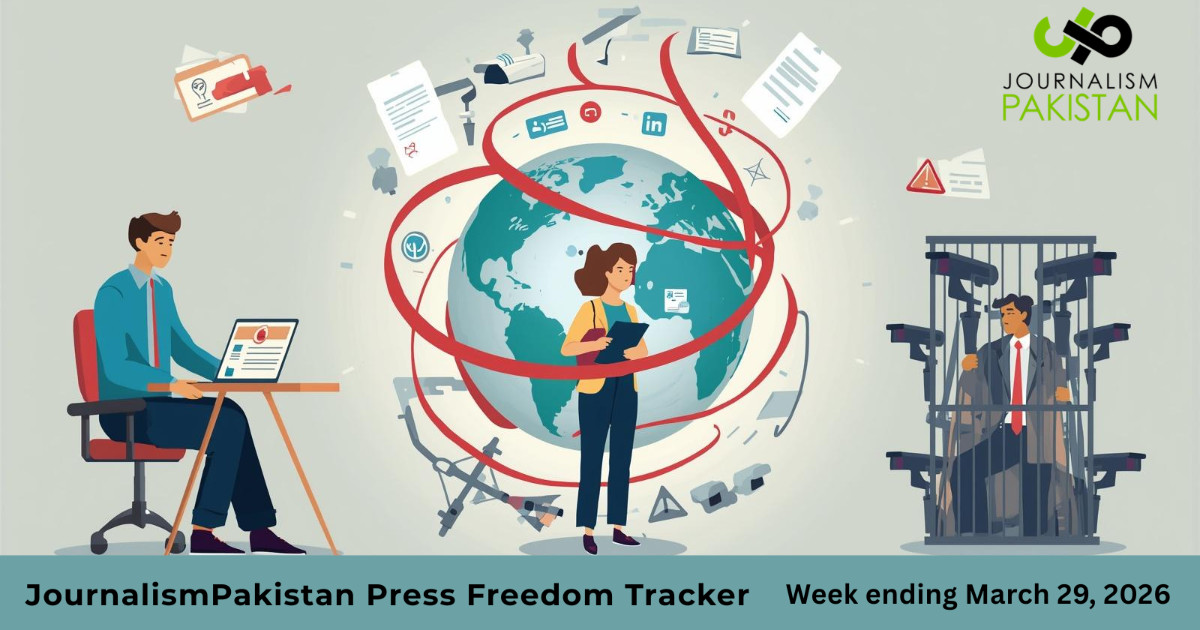
Press freedoms are worsening as arrests, detentions, censorship, digital surveillance and legal pressure increasingly target journalists and media in Iran, Lebanon and elsewhere, intensifying risks to reporting and accountability.Summary
Editor’s note
This edition of the Press Freedom Tracker underscores a worsening global climate for journalism, marked by arrests, censorship, digital restrictions, legal pressure, and targeted attacks on media workers. From conflict zones to courtrooms and online spaces, the risks facing journalists are intensifying, raising urgent concerns about press freedom and the safety of those reporting worldwide.
Arrests, detentions, and kidnappings
IRAN — Authorities continue to hold a Japanese journalist working for NHK at Evin Prison. At the same time, Tokyo secured the release of another Japanese national detained since 2025, raising concerns over due process and the treatment of foreign media workers. (Associated Press; Committee to Protect Journalists, March 22, 2026)
IRAN — Authorities arrested seven journalists in March 2026 amid a crackdown on independent media, accusing them of unauthorized reporting and undermining national security. (International Federation of Journalists, March 24, 2026)
IRAN — At least 466 people were detained for online activity deemed a threat to national security, including sharing sensitive content, posting anti-government material, or aiding networks labeled as ‘enemy,’ raising concerns for digital journalists and citizen reporters operating under heavy surveillance. (Reuters; RSF, March 24, 2026)
LEBANON — A CNN crew was detained by Israeli forces while reporting near the Israel-Lebanon border region, with journalists held and questioned before being released, raising concerns about interference with international media coverage in conflict zones. (CNN, March 2026)
Legal and regulatory pressure
TURKEY — Journalist İsmail Arı was arrested for spreading disinformation; a pretrial detention order was issued under Article 217/A of the penal code following reporting on government-related corruption. Protests in Ankara and Istanbul demand his release. (bianet.org, March 23, 2026)
PAKISTAN — Investigative journalist Nadir Khan was granted bail after the National Cyber Crime Investigation Agency registered an FIR against him within 30 minutes of publishing a report alleging LPG smuggling at Karachi Port, prompting condemnation from media rights groups and calls to withdraw the case. (Human Rights Council of Pakistan, March 20, 2026; Pakistan Federal Union of Journalists, March 25, 2026)
MALI — Journalist Youssouf Sissoko was sentenced to two years in prison and fined for commentary criticizing Niger’s president, after conviction on charges including offending a foreign head of state and spreading false news. (Committee to Protect Journalists, March 24, 2026)
Attacks, threats, and harassment
PAPUA NEW GUINEA — A senior journalist from The National was allegedly assaulted by correctional service officers in Port Moresby, highlighting ongoing threats to reporters covering state institutions. (Reuters, March 25, 2026; Committee to Protect Journalists, March 25, 2026)
LEBANON — Freelance journalist Hussain Hamood, who worked with Al-Manar TV, was killed in an Israeli strike in Nabatieh while reportedly filming attacks, prompting calls for an independent investigation. (Committee to Protect Journalists, March 26, 2026)
LEBANON — Three journalists were killed in southern Lebanon when an Israeli airstrike targeted their reporting team in Jezzine, including Al Manar correspondent Ali Shaib and Al Mayadeen reporter Fatima Ftouni with her brother, a cameraman. Lebanese authorities condemned the attack as a violation of international protections for journalists. (Reuters; The Guardian, March 28, 2026)
Censorship and digital restrictions
INDONESIA — The government implemented a ban on social media access for children under 16, targeting platforms such as YouTube, TikTok, Facebook, Instagram, and X. Companies are required to comply with age verification and content restriction measures. (AP News, March 28, 2026; Reuters, March 27, 2026)
Policy and court developments
UNITED KINGDOM — Five BBC Arabic journalists filed claims at a UK employment tribunal alleging editorial restrictions and discriminatory treatment during Gaza war coverage, raising concerns about internal censorship and press freedom within a publicly funded broadcaster. (Middle East Monitor, March 22, 2026)
UNITED STATES — The Pentagon closed the Correspondents’ Corridor and imposed mandatory escorted access for journalists, limiting independent newsgathering and source interaction even after a federal court ruling struck down key restrictions in its press policy. (The Hill, March 24, 2026; Reuters; National Press Club statement, March 25, 2026)
UNITED STATES — A California jury found Meta and YouTube liable in a social media addiction case, marking a significant court ruling on platform design and user harm with potential regulatory implications. (Reuters, March 25, 2026)
PHILIPPINES — A court upheld the conviction of journalist Frenchie Mae Cumpio on terrorism financing charges and denied bail, extending her detention amid press freedom concerns. (Reuters; Committee to Protect Journalists, March 27, 2026)
Media labor and union activity
AUSTRALIA — Journalists and staff at the Australian Broadcasting Corporation staged a rare nationwide 24-hour strike after rejecting management’s pay offer, citing unfair wages, job security concerns, and AI-related workplace changes, disrupting news services across platforms. (Mediaweek; Community and Public Sector Union statement, March 23, 2026; Reuters, March 25, 2026)
Media operations and industry pressures
UNITED STATES — The Washington Post reported a 21% drop in print circulation in 2025, the largest decline among major U.S. newspapers, highlighting pressures on newsroom operations and the broader sustainability of traditional print media. (New York Post, March 25, 2026)
Press freedom and journalist safety
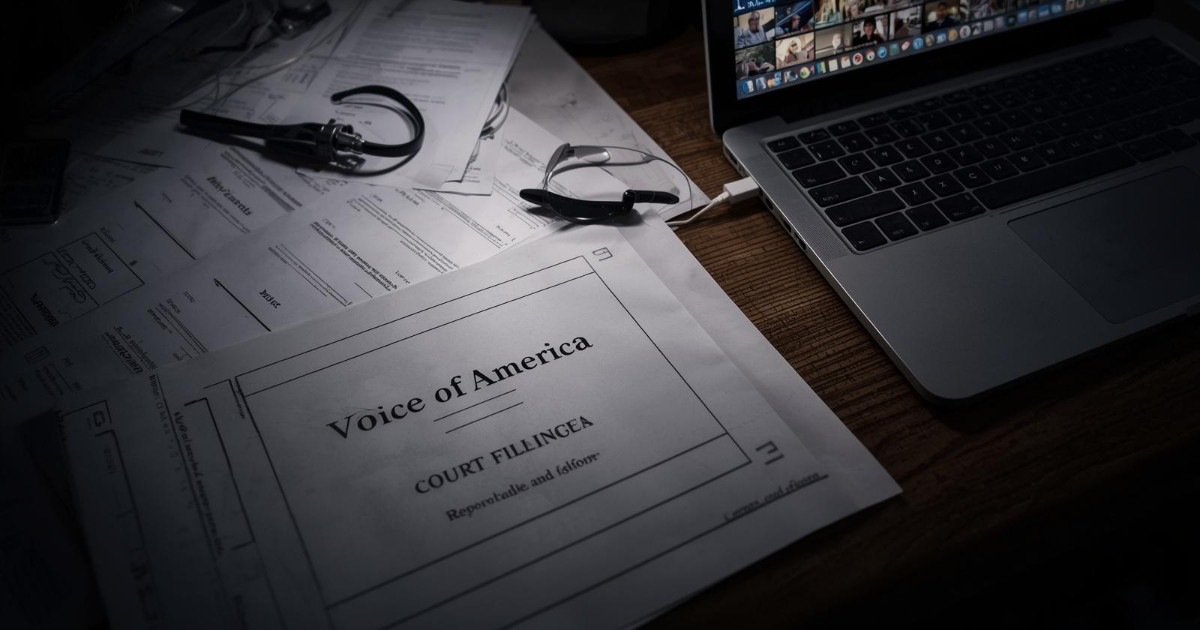
UNITED STATES — Voice of America journalists filed a lawsuit claiming the broadcaster was used for White House propaganda, with censorship of coverage and staff pressured to follow political messaging. (Publicly available court filings, March 23, 2026)
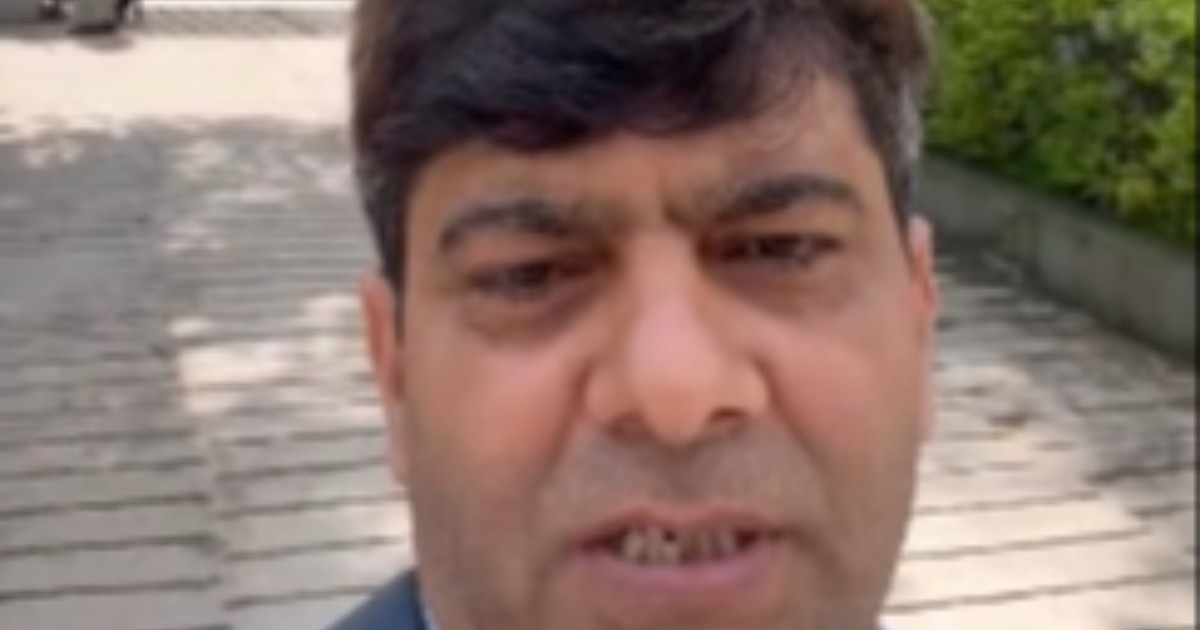
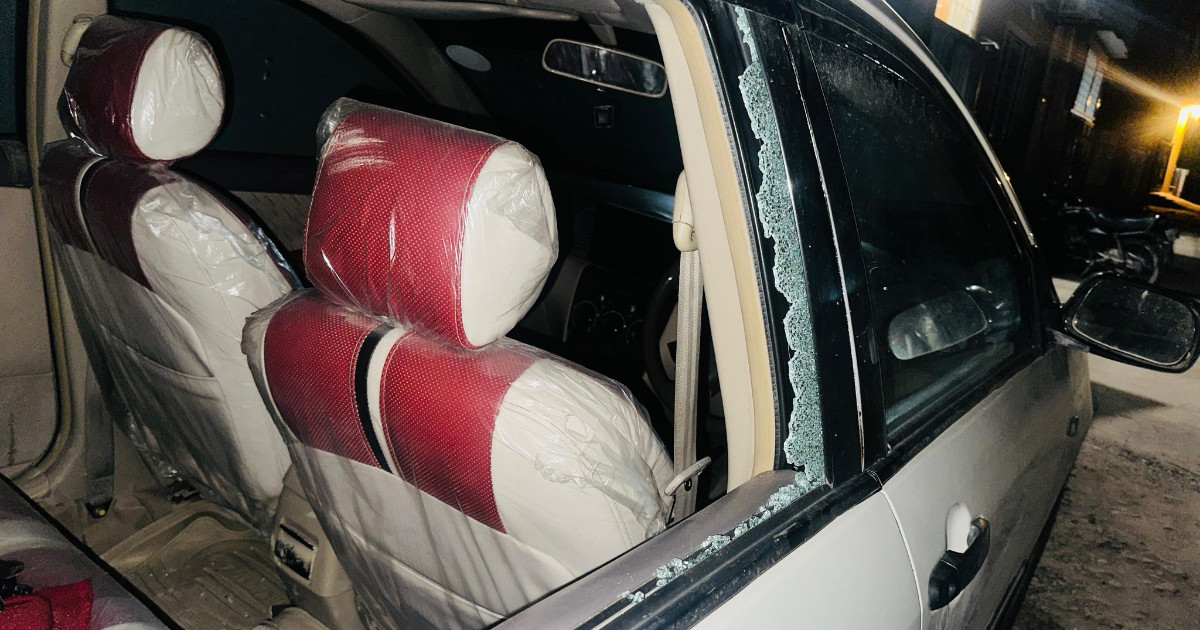
PAKISTAN — Journalist Ziyad Ali Shah reported that his car was vandalized and equipment and a passport were stolen while covering a PTI protest near Adiala Jail in Rawalpindi. (Ziyad Ali Shah on X, March 24, 2026)
Global context
Globally, press freedom continues to face significant challenges from authoritarian controls, legal pressures, digital restrictions, and threats to journalist safety. The convergence of targeted attacks, government regulation, and corporate accountability issues illustrates the complex environment for journalists, particularly in conflict zones and countries with limited media independence.
For additional context, readers can review last week’s Press Freedom Tracker.
Key Points
- A Japanese NHK journalist is still held in Iran, while another Japanese national was released after a long detention, raising due process concerns.
- Iran arrested seven journalists in March 2026 amid a broader crackdown on independent reporting.
- At least 466 people were detained in Iran for online activity deemed a national security threat, highlighting intensified digital surveillance.
- A CNN crew was detained and questioned by Israeli forces near the Israel-Lebanon border before being released.
- Overall trends show rising legal pressure, censorship, and targeted attacks that increase risks for media workers globally.
Key Questions & Answers
What arrests are highlighted in the report?
The tracker documents multiple arrests, including a Japanese NHK journalist held in Iran and seven journalists arrested in Iran during March 2026.
How many people were detained for online activity?
At least 466 people were detained for online activity considered a threat to national security, raising serious digital surveillance concerns.
Were international news crews affected?
Yes, a CNN crew was detained and questioned by Israeli forces while reporting near the Israel-Lebanon border before being released.
What broader risks to press freedom does the edition identify?
The report highlights arrests, censorship, digital restrictions, legal pressure and targeted attacks as escalating threats to journalists and media safety worldwide.
Relevant Topics
Ask AI: Understand this story your way
AI EnabledDig deeper, ask anything — get instant context, background, and clarity.
Disclaimer: This feature is powered by AI and is intended to help readers explore and understand news stories more easily. While we strive for accuracy, AI-generated responses may occasionally be incomplete or reflect limitations in the underlying model. This feature does not represent the editorial views of JournalismPakistan. For our full, verified reporting, please refer to the original article.