
Israeli strike kills Lebanese journalist, probe urged
JournalismPakistan.com | Published: 26 March 2026 | JP Middle East Desk
Join our WhatsApp channel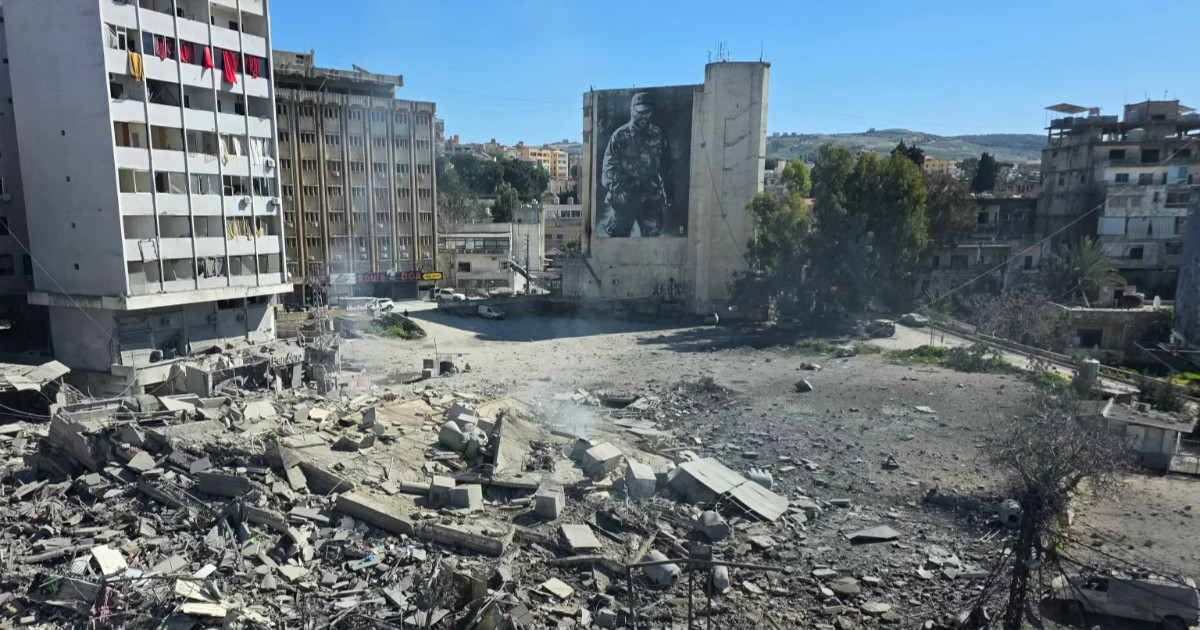
Freelance Lebanese journalist Hussain Hamood was killed in an Israeli strike on Nabatieh on March 25 while filming for Al-Manar; the Committee to Protect Journalists urged an impartial international investigation, and Lebanese officials condemned the attack.Summary
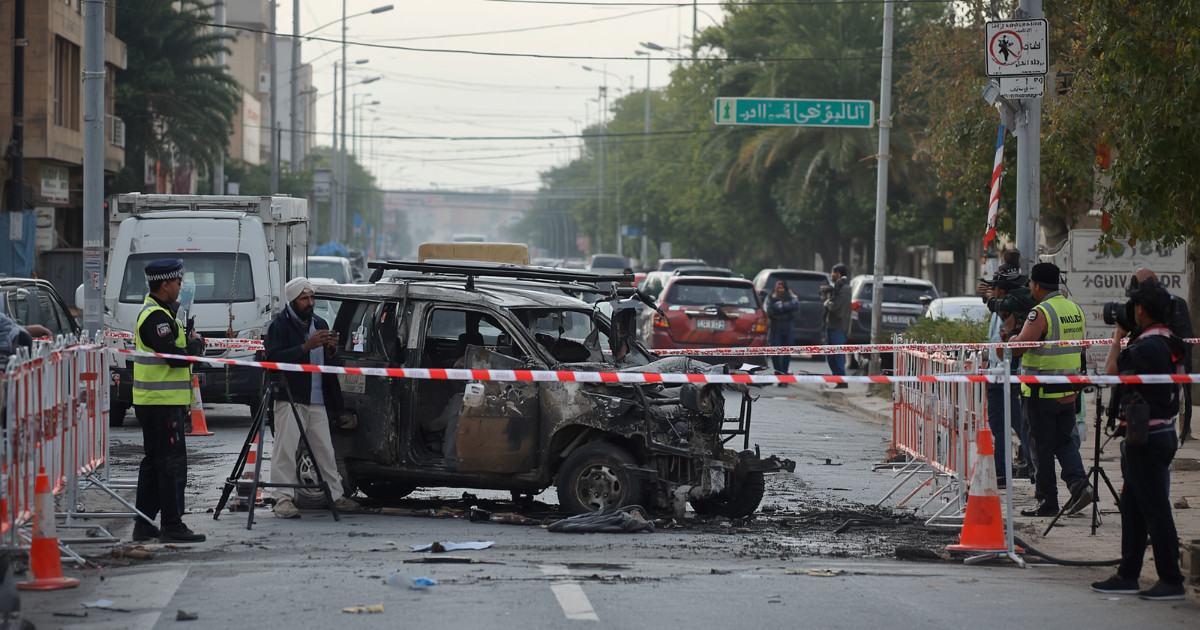
AMMAN — The Committee to Protect Journalists has called for an impartial investigation into the killing of Lebanese freelance journalist Hussain Hamood, who died in an Israeli strike on the southern city of Nabatieh on March 25.
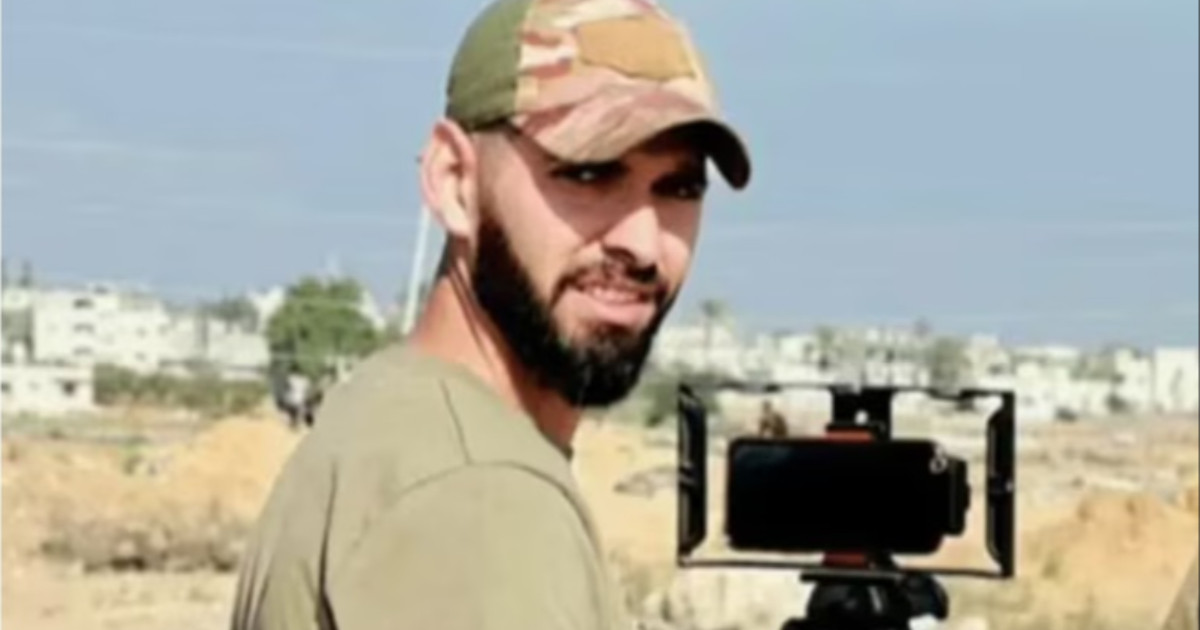
Hamood, who worked with the Hezbollah-affiliated broadcaster Al-Manar TV as a photojournalist and camera operator, was reportedly filming Israeli attacks when he was killed, according to two sources cited by CPJ.
CPJ demands accountability after latest killing
In a statement issued March 26, CPJ said the killing underscores growing risks faced by journalists covering escalating hostilities in the region. The organization urged Israel to uphold its obligations under international law and ensure accountability for attacks on media workers.
CPJ Regional Director Sara Qudah said Hamood “paid the ultimate price” for documenting the impact of strikes on his community, adding that attacks on journalists must cease immediately.
Lebanon’s Minister of Information, Paul Morcos, condemned the killing and called for international action to address what he described as the targeting of journalists in the country.
Rising toll on journalists amid regional conflict
Hamood’s death comes amid a broader surge in violence following the outbreak of the Iran-linked regional conflict in late February. CPJ has documented at least three other journalist killings across the Middle East during this period.
The incident follows the killing of another Al-Manar TV journalist, Mohammed Sherri, who died in an Israeli strike in central Beirut roughly a week earlier, highlighting a pattern of media workers being caught in or targeted during hostilities.
CPJ said it had reached out to the Israel Defense Forces’ International Press Desk for comment but had not received a response at the time of publication.
WHY THIS MATTERS: The killing highlights the increasing dangers for journalists covering conflict zones, a reality that Pakistani reporters may also face when reporting on security or militant activity. It underscores the need for stronger safety protocols, conflict reporting training, and institutional backing for journalists operating in high-risk environments.
ATTRIBUTION: Information cited from a publicly available statement issued by the Committee to Protect Journalists (March 26, 2026).
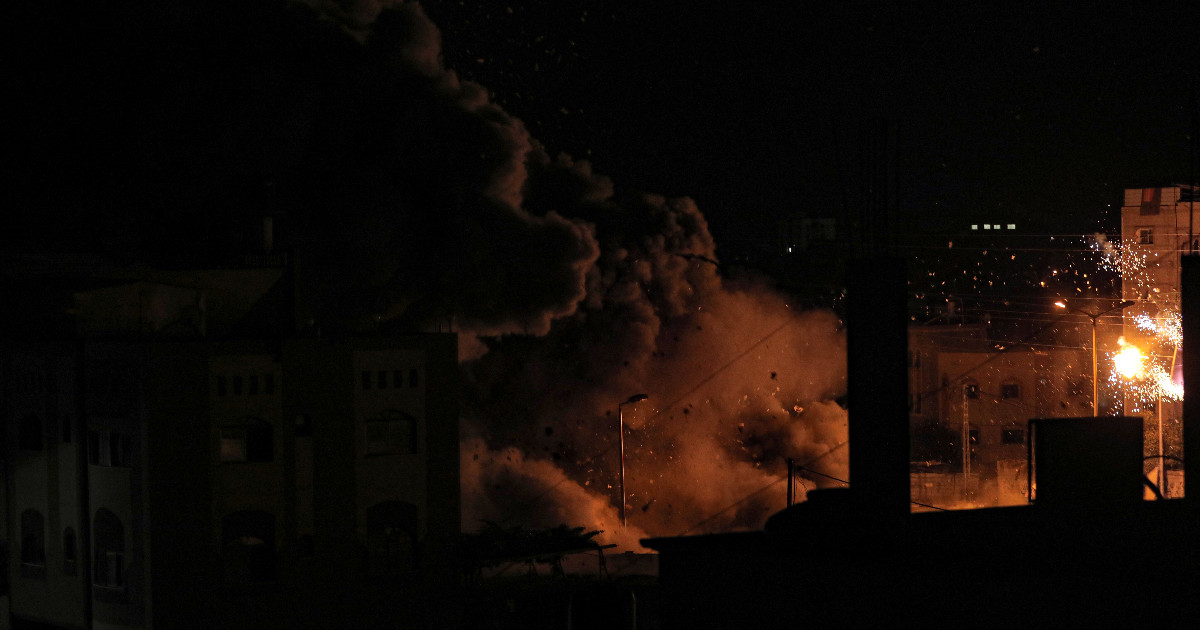
PHOTO: A view of the site of an Israeli airstrike in the southern Lebanese city of Nabatieh. (Photo: AFP/ Mouhammad al-Zanaty/circulated by CPJ)
Key Points
- Hussain Hamood, a Lebanese freelance photojournalist for Al-Manar TV, was killed in Nabatieh on March 25 after an Israeli strike.
- The Committee to Protect Journalists called for an impartial international investigation into the killing.
- CPJ said the incident highlights growing risks to reporters covering regional hostilities.
- Lebanon's Minister of Information Paul Morcos condemned the killing and urged international action.
- The death occurred amid a wider surge in violence and follows other recent journalist fatalities in the region.
Key Questions & Answers
Who was Hussain Hamood?
He was a Lebanese freelance photojournalist and camera operator who worked with Al-Manar TV.
How did he die?
CPJ reports he was killed in an Israeli strike on Nabatieh on March 25 while filming attacks.
What has the Committee to Protect Journalists demanded?
CPJ has called for an impartial international investigation and accountability for the attack on the journalist.
How have Lebanese officials reacted?
Lebanon's Minister of Information condemned the killing and called for international action to address perceived targeting of journalists.
Relevant Topics
Ask AI: Understand this story your way
AI EnabledDig deeper, ask anything — get instant context, background, and clarity.
Disclaimer: This feature is powered by AI and is intended to help readers explore and understand news stories more easily. While we strive for accuracy, AI-generated responses may occasionally be incomplete or reflect limitations in the underlying model. This feature does not represent the editorial views of JournalismPakistan. For our full, verified reporting, please refer to the original article.