
Pentagon restricts media access despite court setback
JournalismPakistan.com | Published: 24 March 2026 | JP Global Monitoring
Join our WhatsApp channel
U.S. District Judge Paul Friedman found the Pentagon's journalist contract requirement unconstitutional, and the department revised its policy. The Pentagon closed the Correspondents' Corridor and will allow reporters only under escort while it appeals.Summary
WASHINGTON — The U.S. Department of Defense has revised its press policy after a federal judge ruled key restrictions on journalists unconstitutional, but the Pentagon is still moving to limit reporters’ physical presence inside the building.
U.S. District Judge Paul Friedman in Washington, D.C., sided with The New York Times in a lawsuit challenging the policy, which had required journalists to sign a contract restricting how they could gather and report on military information. The judge struck down the requirement, calling it a violation of First Amendment protections.
Court rejects limits on reporting
In his ruling, Friedman said the policy unlawfully attempted to control how journalists obtain and use information, even when it was unclassified. He emphasized that a core purpose of the First Amendment is to allow the press to report freely without government interference.
The case arose after more than 50 journalists refused to sign the agreement and were subsequently denied Pentagon press credentials. The decision marks a significant legal setback for efforts to impose stricter controls on defense reporting.
Pentagon reshapes access despite ruling
Despite the ruling, the Pentagon announced it will close the Correspondents’ Corridor, a long-standing workspace for journalists inside the building, with immediate effect. Pentagon spokesperson Sean Parnell said the department disagrees with the court decision and plans to appeal.
Under the revised policy, reporters will still be allowed access to the Pentagon but only under escort by authorized personnel. This includes movement within the building, significantly limiting independent reporting activity on-site.
The department also plans to relocate journalists to a new workspace in an annex facility on Pentagon grounds, but outside the main building. The Correspondents’ Corridor has largely remained unused since October, when journalists who declined to sign the policy had their badges revoked.
Tension between access and control
The revised approach reflects an effort by defense officials to maintain control over media presence even after the court struck down key elements of the policy. Officials say the changes are intended to balance transparency with security concerns.
Critics argue that restricting unescorted access and removing journalists from the main building undermines day-to-day reporting and reduces opportunities for spontaneous interaction with officials, a key component of accountability reporting.
The case highlights ongoing tensions between national security priorities and press freedom, particularly in high-security institutions like the Pentagon. Legal experts say the outcome of the expected appeal could shape future policies governing media access across U.S. government agencies.
WHY THIS MATTERS: The case shows how governments may comply with court rulings in form while maintaining control through administrative measures, a dynamic familiar in Pakistan’s media environment. It underscores the importance of both legal challenges and practical access in ensuring press freedom. Pakistani newsrooms can draw lessons on monitoring not just policy changes, but how they are implemented on the ground.
ATTRIBUTION: Information cited from publicly available reporting by The Hill (March 24, 2026).
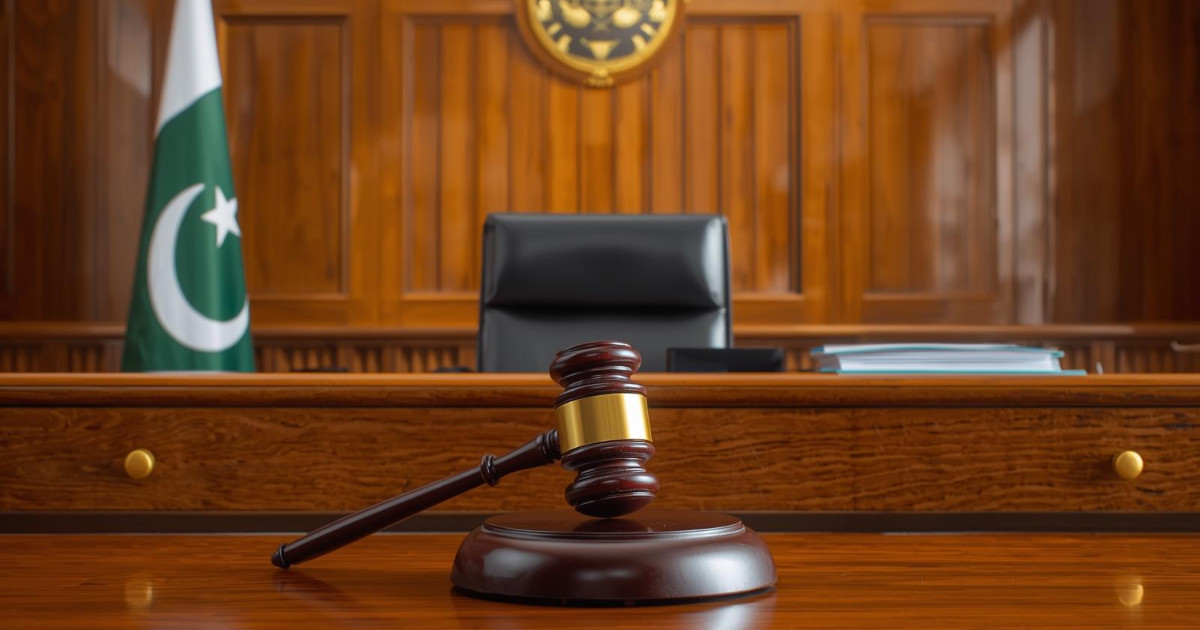
PHOTO: AI-generated; for illustrative purposes only.
Key Points
- Judge Paul Friedman ruled the Pentagon's mandatory reporter contracts unconstitutional.
- More than 50 journalists who refused to sign the agreements were denied Pentagon press credentials.
- The Pentagon revised its press policy but said it disagrees with the ruling and plans to appeal.
- The long-standing Correspondents' Corridor inside the Pentagon was closed with immediate effect.
- Under the new rules, reporters may access the building only when escorted by authorized personnel.
Key Questions & Answers
Why did the court strike down the Pentagon's policy?
The judge found the mandatory reporter agreements unlawfully restricted journalists' newsgathering and violated First Amendment protections.
Will reporters still have access to the Pentagon?
Yes; the Pentagon said reporters may enter but only while escorted by authorized personnel under the revised policy.
Was this lawsuit brought by a news organization?
Yes; The New York Times challenged the policy in court and was a principal plaintiff in the case.
What happened to the Correspondents' Corridor?
The Pentagon closed the long-standing reporters' workspace inside the building with immediate effect.
Relevant Topics
Ask AI: Understand this story your way
AI EnabledDig deeper, ask anything — get instant context, background, and clarity.
Disclaimer: This feature is powered by AI and is intended to help readers explore and understand news stories more easily. While we strive for accuracy, AI-generated responses may occasionally be incomplete or reflect limitations in the underlying model. This feature does not represent the editorial views of JournalismPakistan. For our full, verified reporting, please refer to the original article.