
The JournalismPakistan Global Media Brief | Edition 5 | January 30, 2026
JournalismPakistan.com | Published: 30 January 2026 | JP News Desk
Join our WhatsApp channel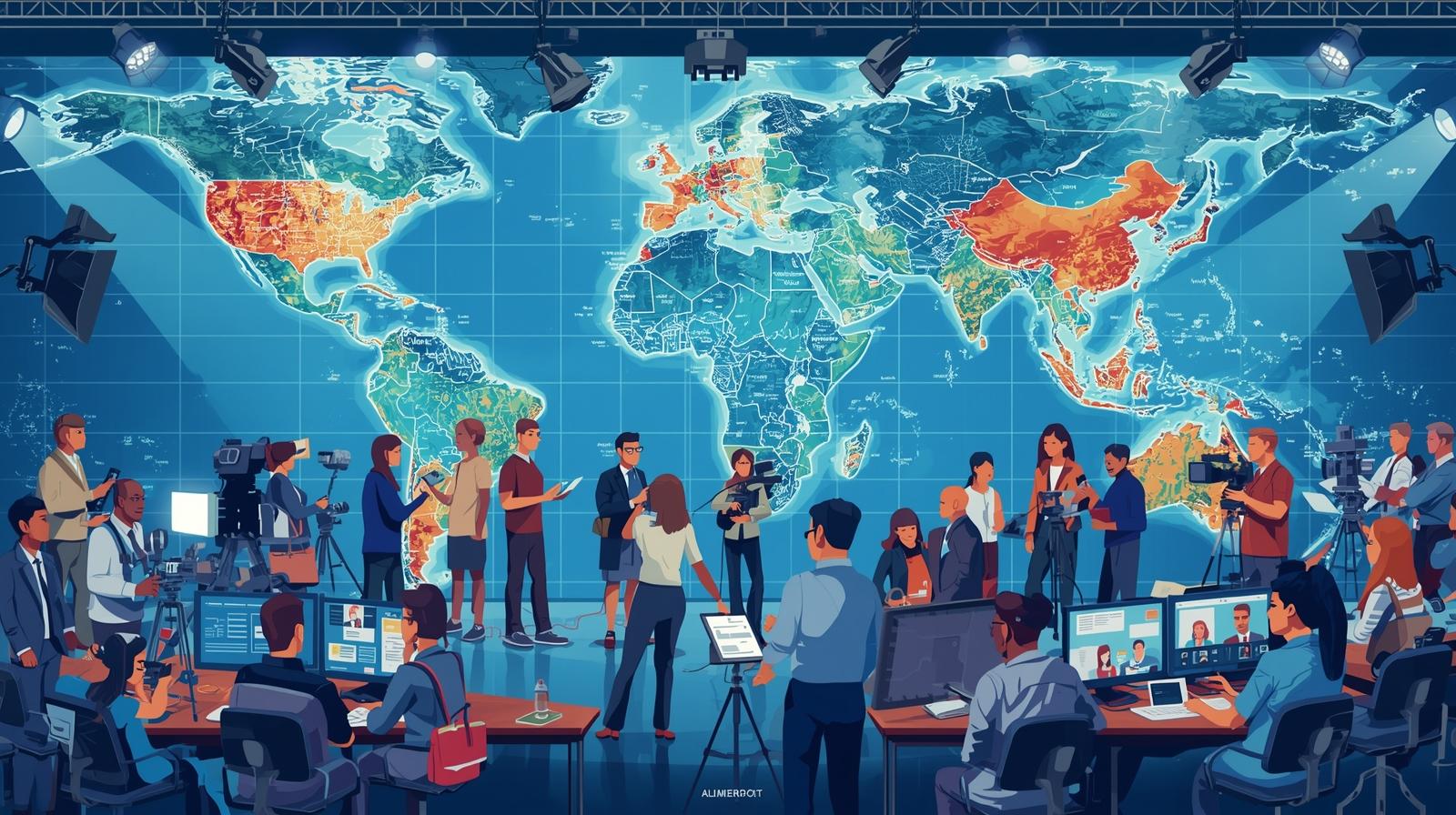
A concise snapshot of the global forces reshaping journalism, from newsroom investments and court rulings to platform influence, state controls, and journalist safety.Summary
Editor's note
Welcome to the fifth edition of the JournalismPakistan Global Media Brief. This weekly briefing tracks key global developments affecting journalism, with a focus on press freedom, newsroom sustainability, and the balance of power between media, governments, courts, and technology platforms. This edition reflects a widening gap between renewed investments in international reporting and growing pressures that limit journalists’ ability to work freely and safely.
Global media power shifts
New York Times names Elian Peltier Pakistan bureau chief — The New York Times has appointed Elian Peltier as bureau chief for Pakistan and Afghanistan, restoring a full-time Pakistan presence for the first time since 2013 and signaling renewed investment in on-the-ground reporting.
US court grants asylum to Chinese journalist Guan Heng —A United States court has granted asylum to Chinese journalist Guan Heng over his reporting on Uyghur detentions, a decision hailed by press freedom groups as a rare legal shield against transnational repression.
Washington Post faces major foreign coverage cuts — Washington Post journalists have urged owner Jeff Bezos to reconsider potential layoffs that could significantly reduce international coverage, warning of long-term damage to public-interest journalism.
Asia media watch
Tributes highlight the enduring legacy of BBC journalist Sir Mark Tully — Tributes following the death of veteran BBC journalist Sir Mark Tully have renewed discussion about his lasting influence on international reporting on South Asia and foreign correspondence.
Taliban revoke licences of most media support groups — Afghanistan’s Taliban authorities have revoked the licences of most media support organizations, sharply limiting training, legal aid, and professional assistance available to journalists.
Dhaka dialogue urges stronger media self-regulation — Editors and publishers at a Dhaka policy dialogue stressed that stronger, credible self-regulation is essential to protecting press freedom and restoring public trust amid rising political pressure.
Middle East media
Iran orders media to cite only official protest death tolls — Iran’s Supreme National Security Council has ordered media outlets to report only official death tolls during protests, barring figures from independent or international sources.
Israel extends Al Jazeera ban another 90 days — Israel has extended its ban on Al Jazeera for another 90 days under a 2024 law allowing temporary closures of foreign media deemed a security threat.
Israel Supreme Court hears petition on Gaza press access — Israel’s Supreme Court has heard a petition challenging restrictions that have barred independent journalists from entering Gaza without military escort for over two years.
Platforms and technology
AI news summaries leave Australian media behind on Copilot — A University of Sydney study found Microsoft Copilot’s AI news summaries heavily favor US and European outlets, with Australian local and independent media rarely cited.
Press freedom and journalist safety
Trump lawsuits against major media raise press freedom concerns — US President Donald Trump has filed multiple lawsuits against major media outlets, prompting concerns that legal pressure is being used to intimidate critical reporting.
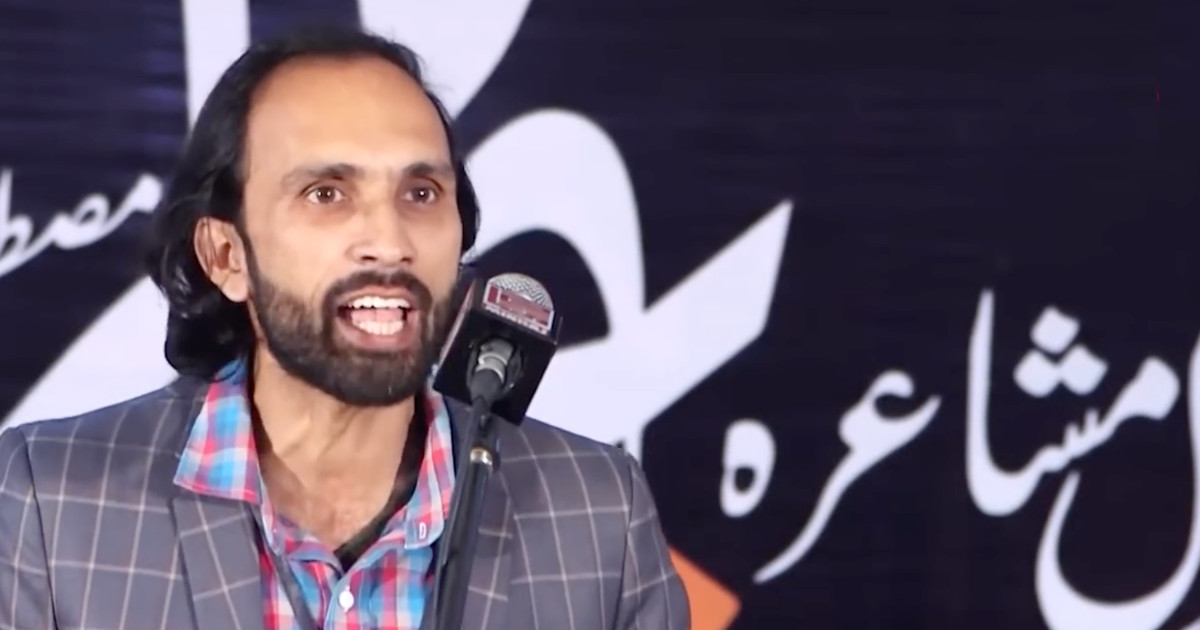
CPJ urges Pakistan to stop targeting journalist Nadir Baloch — The Committee to Protect Journalists has urged Pakistani authorities to stop intimidating journalist Nadir Abbas Baloch following repeated summons over his reporting.
Why this matters
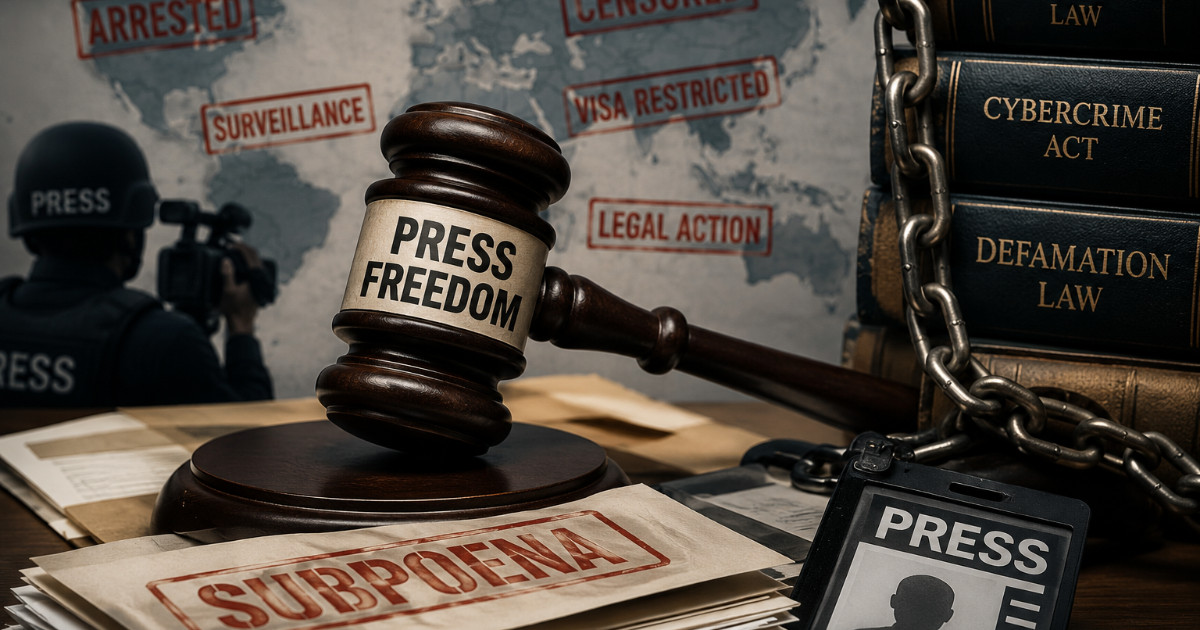
Across regions, courts, governments, platforms, and conflict dynamics are tightening control over information flows. Legal pressure, platform dependency, and security risks continue to shrink the space for independent journalism. For Pakistani journalists, these global shifts increasingly shape local realities, reinforcing the need to defend editorial independence, strengthen professional safeguards, and remain alert to international trends.
PHOTO: By Gerd Altmann from Pixabay
Key Points
- Global newsrooms face diverging trends, with deepening financial and political pressures.
- Courts in democratic countries are emerging as critical safeguards for journalists targeted by authoritarian states.
- Governments in multiple regions are tightening control over media narratives through regulation, access restrictions, and legal pressure.
- Platform-driven news distribution is reshaping visibility, often sidelining local and independent outlets.
- Journalists continue to face growing safety, legal, and professional risks, particularly in conflict and high-control environments.
- For Pakistani media, global developments increasingly influence local press freedom, newsroom resilience, and audience reach.
Relevant Topics
Ask AI: Understand this story your way
AI EnabledDig deeper, ask anything — get instant context, background, and clarity.
Disclaimer: This feature is powered by AI and is intended to help readers explore and understand news stories more easily. While we strive for accuracy, AI-generated responses may occasionally be incomplete or reflect limitations in the underlying model. This feature does not represent the editorial views of JournalismPakistan. For our full, verified reporting, please refer to the original article.