.png)
Ten media controversies that sparked global debate
JournalismPakistan.com | Published: 10 March 2026 | JP Staff Report
Join our WhatsApp channel
Ten major media controversies over the past two decades, from phone hacking and classified leaks to censorship and disputed election coverage, have sparked global debates about journalistic ethics, regulation, accountability and public trust.Summary
ISLAMABAD — From phone-hacking scandals to disputes over election reporting and censorship, major media controversies over the past two decades have sparked global debates about ethics, power, press freedom, and the evolving role of journalism in democratic societies. These incidents illustrate how journalism itself often becomes the story, influencing public trust and shaping international discourse.
Whether involving national security leaks, political coverage, or reporting under conflict conditions, each controversy has affected how journalists operate and how audiences perceive the media.
Phone hacking scandal shakes British press
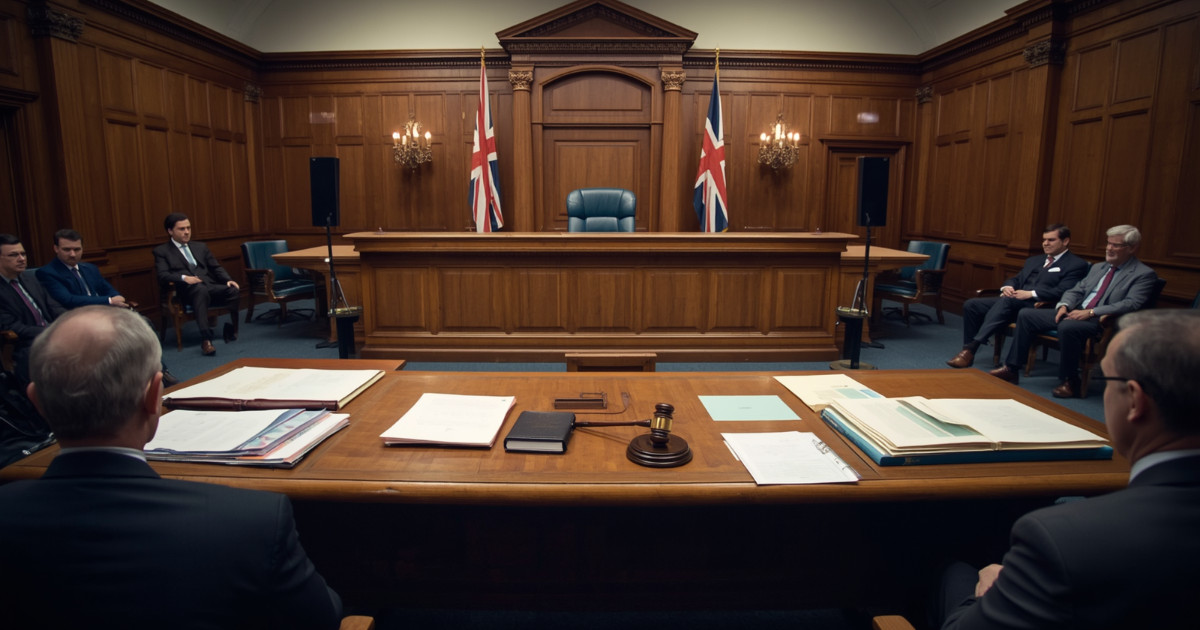
One of the most dramatic media scandals in modern history unfolded in 2011 when reporters at the now-defunct News of the World were found to have hacked voicemails belonging to celebrities, politicians, and crime victims. Public outrage intensified after it emerged that the phone of murdered teenager Milly Dowler had been targeted. The revelations forced the closure of the 168-year-old newspaper and prompted the Leveson Inquiry, a major investigation ordered by the UK government to examine the culture, practices, and ethics of the British press. The inquiry led to sweeping debates about media regulation, privacy, and accountability.
Leaks, whistleblowers, and national security debates
Another controversy with global repercussions emerged in 2010 when WikiLeaks published hundreds of thousands of classified United States diplomatic cables provided by sources linked to the organization’s founder, Julian Assange. The disclosures revealed candid assessments by American diplomats and exposed internal discussions on global political issues. Supporters argued the leaks promoted transparency and public accountability, while critics said they endangered diplomatic relationships and potentially exposed sensitive sources. The episode also raised questions about the role of traditional news outlets that partnered with WikiLeaks to publish the material.
Tech platforms and political speech controversies
The relationship between media platforms and political speech came under intense scrutiny following the January 6, 2021, attack on the United States Capitol. Major technology companies, including X Corp. and Meta Platforms, suspended the accounts of then-President Donald Trump. The decisions sparked a worldwide debate about the authority of private companies to regulate political speech online. Supporters said the suspensions were necessary to prevent incitement to violence, while critics warned about the growing influence of technology platforms over political discourse and information flows.
Debates over bias and 'fake news'
Media credibility became a major issue during the past decade as political leaders in several countries repeatedly accused journalists of spreading “fake news.” In the United States, major outlets such as CNN and The New York Times frequently faced criticism from political figures, particularly during the presidency of Donald Trump. The accusations contributed to deepening public polarization over media trust and raised concerns among press freedom advocates that delegitimizing journalism could weaken democratic accountability.
War reporting and accusations of bias
Media coverage of the Israel–Hamas war that erupted in October 2023 became another flashpoint for debates about journalism and neutrality. International news organizations faced accusations from opposing sides of bias, selective reporting, or inadequate context. The controversy highlighted the immense pressure journalists face when covering armed conflicts, where competing narratives and propaganda campaigns often complicate efforts to report accurately.
Pakistan’s Dawn leaks controversy
Pakistan has also witnessed its own media controversies. In 2016, a report published by the newspaper Dawn described a high-level civil-military meeting discussing national security and counterterrorism policy. The story alleged that civilian leaders warned the military to act against militant groups or face international isolation. It triggered a political crisis commonly referred to as the “Dawn leaks,” prompting investigations, official statements, and tensions between government institutions. The episode raised questions about the boundaries of national security reporting and the role of investigative journalism in Pakistan.
Travel ban on journalist fuels press freedom concerns
Following the Dawn leaks report, journalist Cyril Almeida, who authored the story, was briefly placed on Pakistan’s Exit Control List, preventing him from traveling abroad. Press freedom organizations criticized the move as intimidation and a potential attempt to discourage investigative reporting. The government later removed Almeida from the list, but the episode intensified debate about the pressures journalists face when covering sensitive issues.
Fox News election coverage lawsuits
Fox News faced multiple lawsuits alleging that its coverage of the 2020 U.S. presidential election spread misinformation about voter fraud. These legal challenges, filed by voting technology companies and private citizens, triggered global debates about media accountability, the influence of news organizations on elections, and the line between opinion and reporting.
Russian state control over media during Ukraine invasion
Following the Russian invasion of Ukraine in February 2022, the Russian government imposed strict controls on domestic media, banning independent reporting on the war. Journalists were arrested for “spreading false information,” and international outlets faced restrictions on coverage, sparking worldwide debates on press freedom, propaganda, and censorship.
WHY THIS MATTERS: These controversies highlight the evolving pressures facing journalists worldwide, from political polarization and election misinformation to censorship and reporting under conflict conditions. For Pakistani media professionals, the cases underscore the importance of strong editorial standards, fact-checking, and careful reporting on sensitive political or security issues to maintain credibility and navigate potential government or public scrutiny.
ATTRIBUTION: Based on Reuters (July 8, 2011; January 8, 2021; March 2021), BBC News (March 2022), and The Guardian (March 18, 2018).
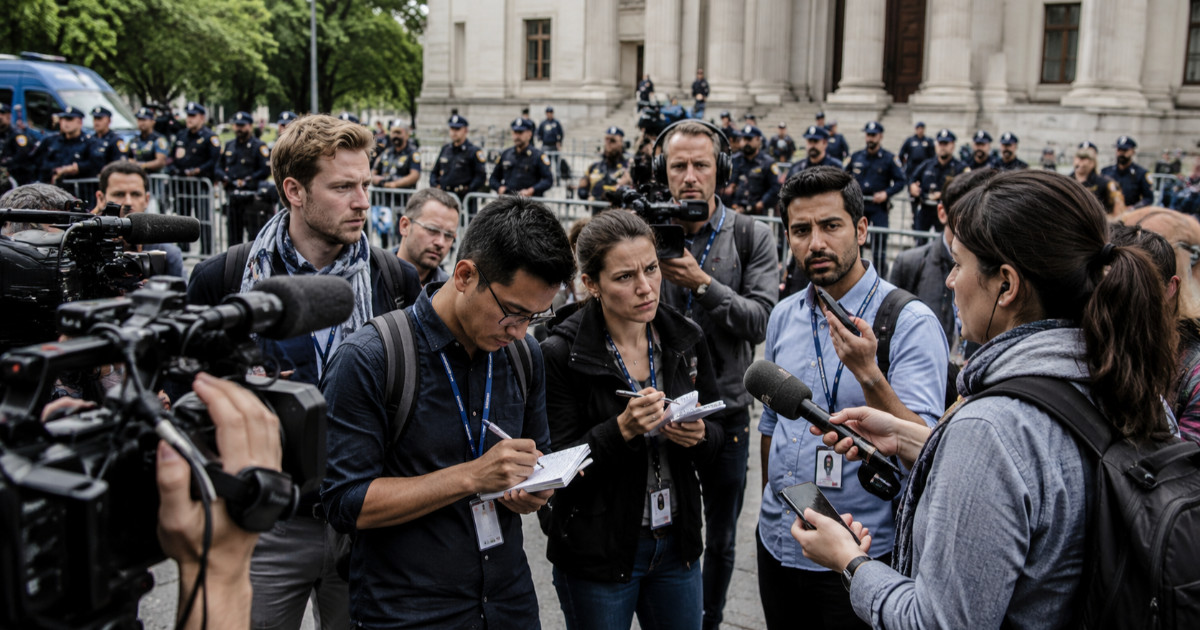
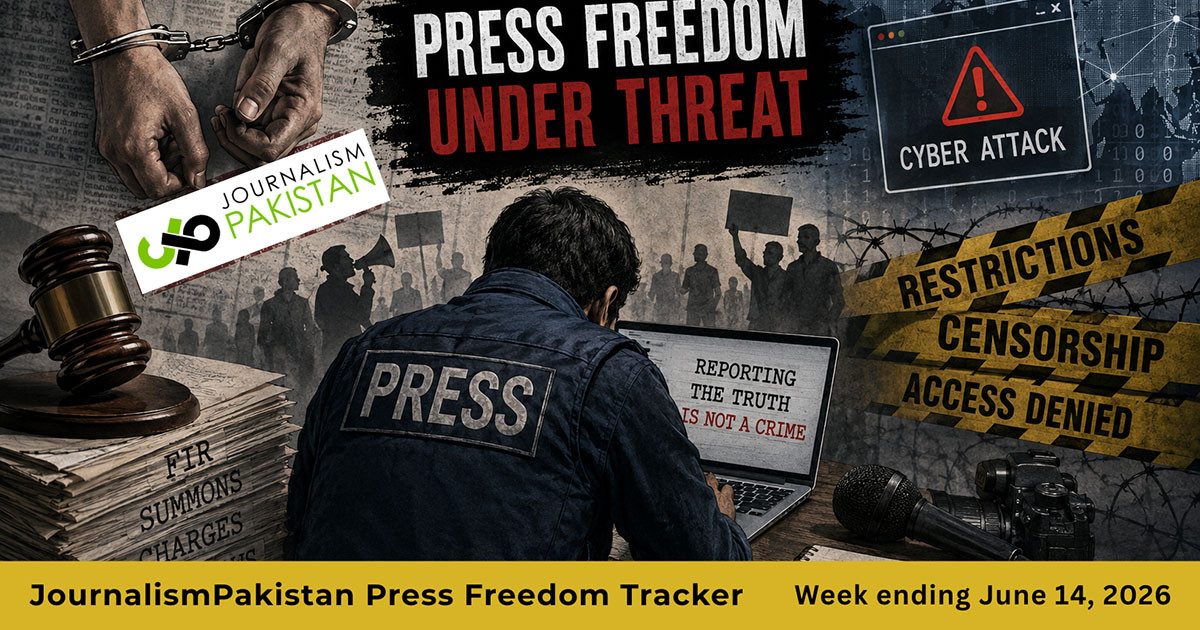
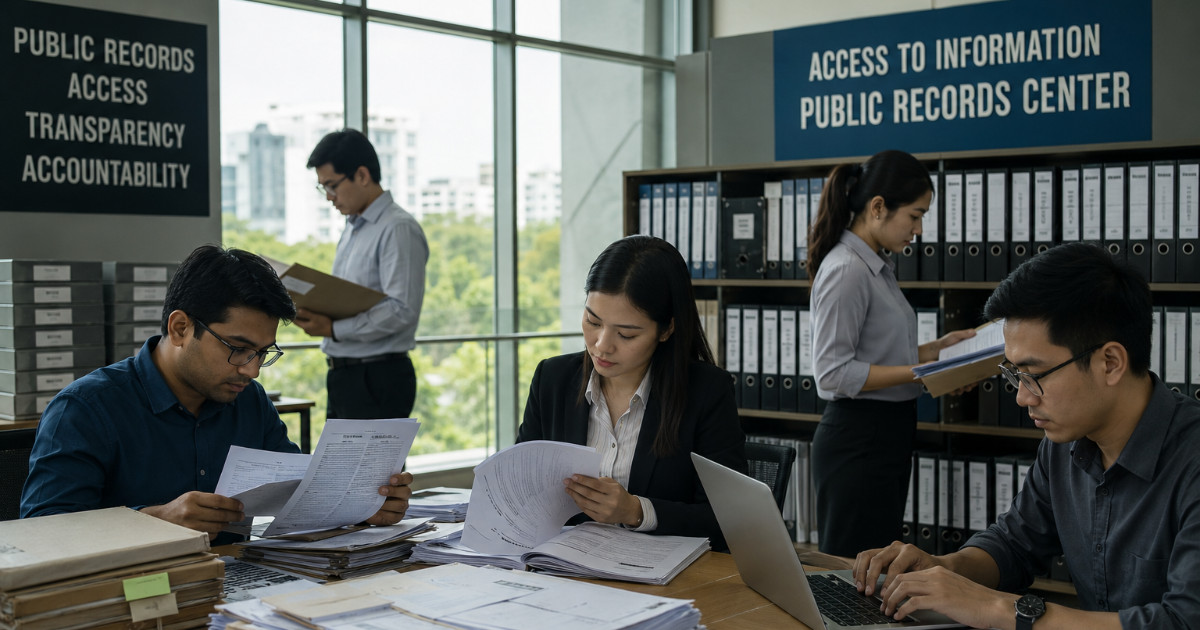
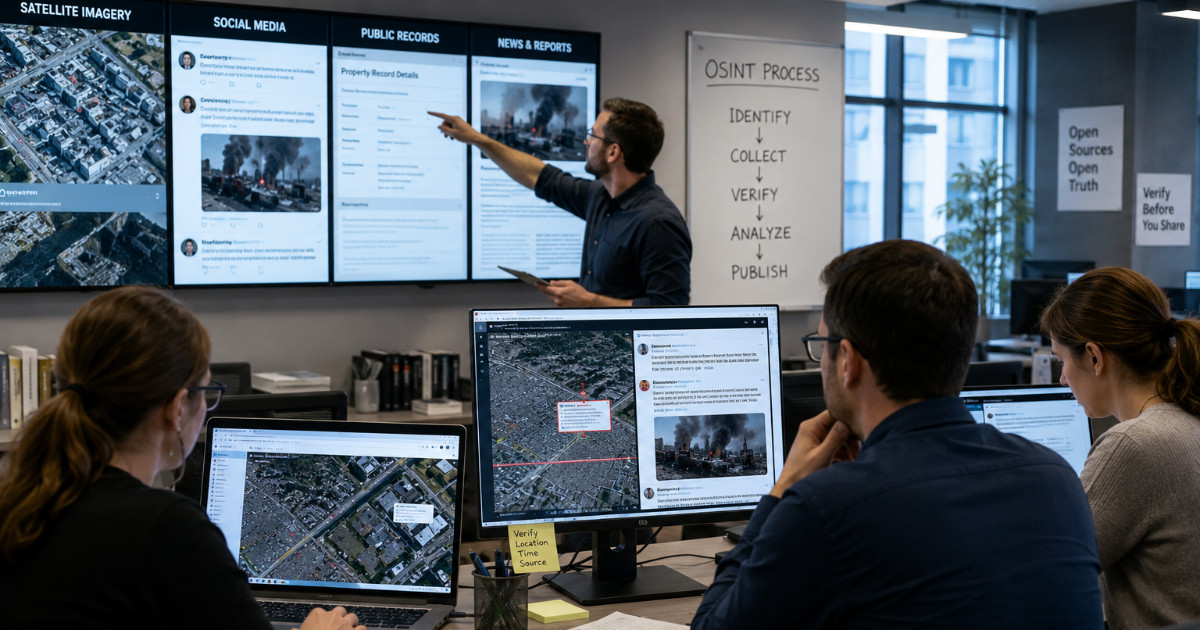
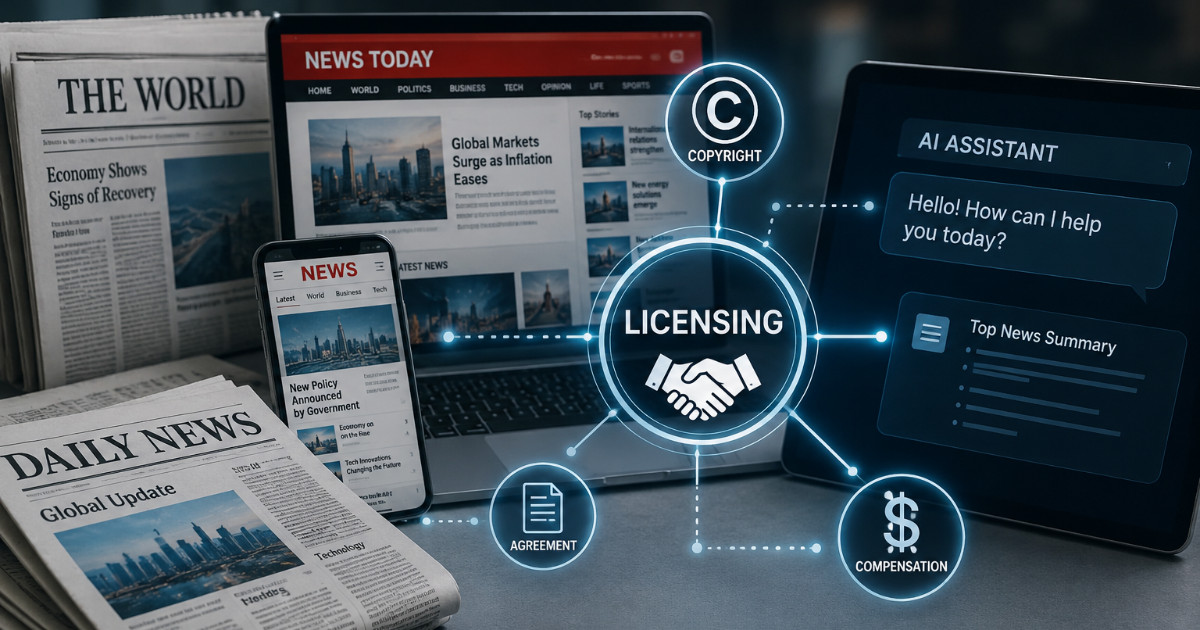
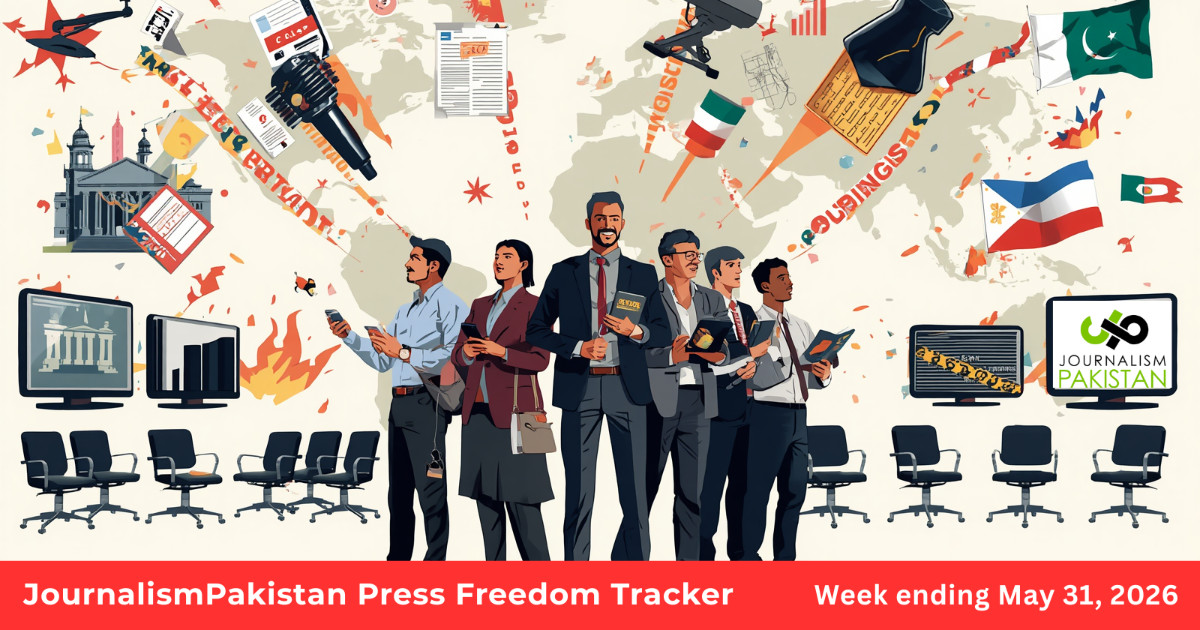
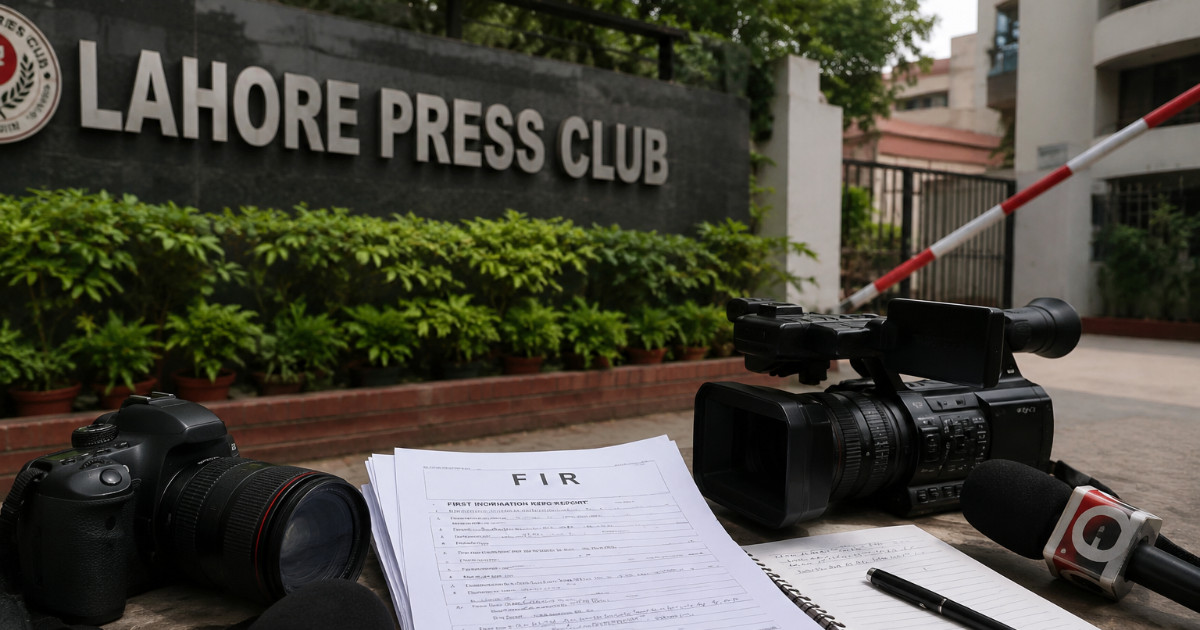
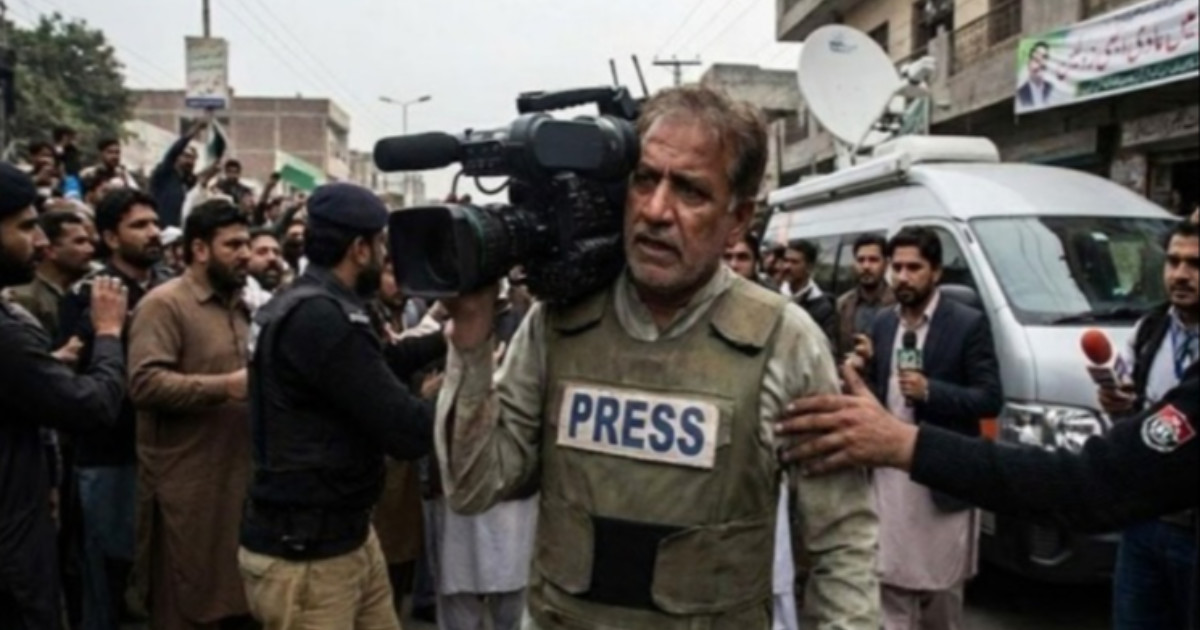
PHOTO: AI-generated; for illustrative purposes only.
Key Points
- Phone-hacking scandal led to the closure of News of the World and the Leveson Inquiry into press practices and ethics.
- WikiLeaks and other disclosures intensified debates over transparency, whistleblowers and national security.
- Censorship and reporting in conflict zones raised concerns about journalist safety, access and information control.
- Contested election coverage and accusations of bias highlighted media influence on democratic processes and misinformation risks.
- Collectively, these incidents prompted discussions on media regulation, accountability and declining public trust.
Key Questions & Answers
What types of controversies does the article examine?
It looks at phone hacking, classified leaks, censorship, contested election reporting and the challenges of reporting in conflict zones.
What was the outcome of the phone-hacking scandal?
It led to the closure of News of the World, public outrage and the Leveson Inquiry, which sparked debates on press regulation and privacy.
How did WikiLeaks affect debates on journalism?
WikiLeaks intensified tensions between transparency and national security, prompting legal, ethical and policy discussions worldwide.
What lasting impact have these controversies had?
They prompted calls for stronger ethics, regulatory reform, protections for journalists and have influenced public trust in the media.
Relevant Topics
Ask AI: Understand this story your way
AI EnabledDig deeper, ask anything — get instant context, background, and clarity.
Disclaimer: This feature is powered by AI and is intended to help readers explore and understand news stories more easily. While we strive for accuracy, AI-generated responses may occasionally be incomplete or reflect limitations in the underlying model. This feature does not represent the editorial views of JournalismPakistan. For our full, verified reporting, please refer to the original article.