.png)
Sohrab Barkat walks free: what his ordeal reveals about press freedom
JournalismPakistan.com | Published: 7 March 2026 | JP Special Report
Join our WhatsApp channel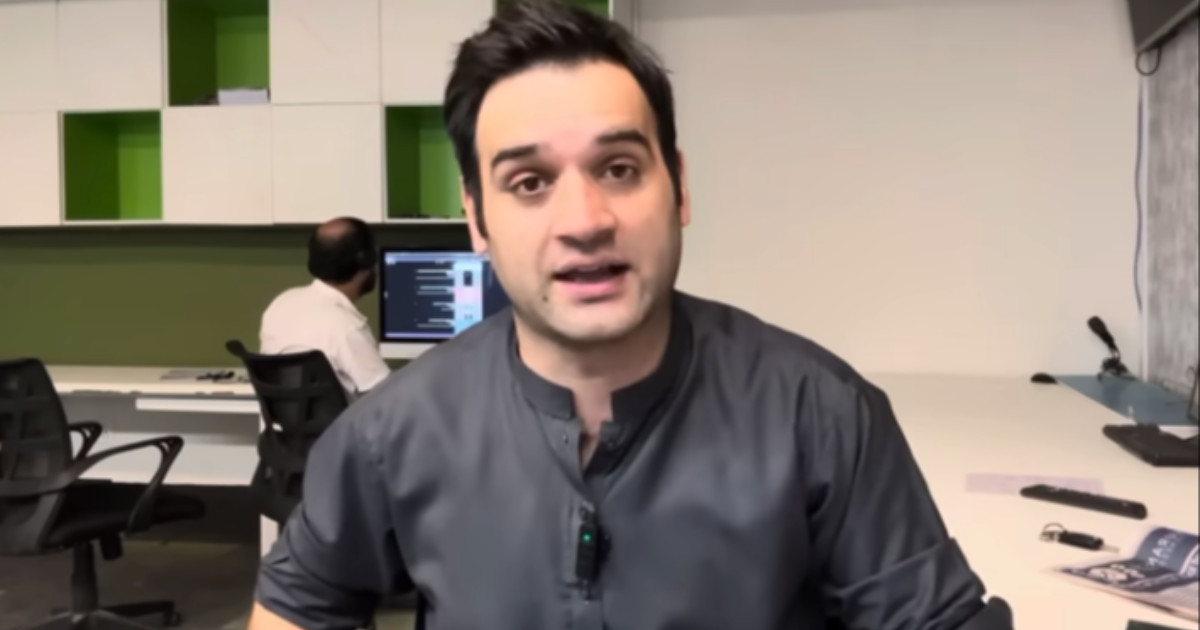
After more than 90 days in detention amid multiple FIRs and successive bail cancellations under PECA, journalist Sohrab Barkat has been granted bail in all pending cases. His ordeal raises urgent questions about the law's use against independent media in Pakistan.Summary
ISLAMABAD — A journalist once again walks free, but his ordeal underscores a deeper crisis in press freedom. After more than 90 days behind bars amid a web of FIRs and successive bail cancellations under the Prevention of Electronic Crimes Act (PECA), Sohrab Barkat has finally been granted bail in all pending cases, a moment welcomed by press freedom advocates locally and internationally, but one that raises urgent questions about how Pakistan’s cybercrime law has been wielded against independent media voices.
The bail battle and the law behind it
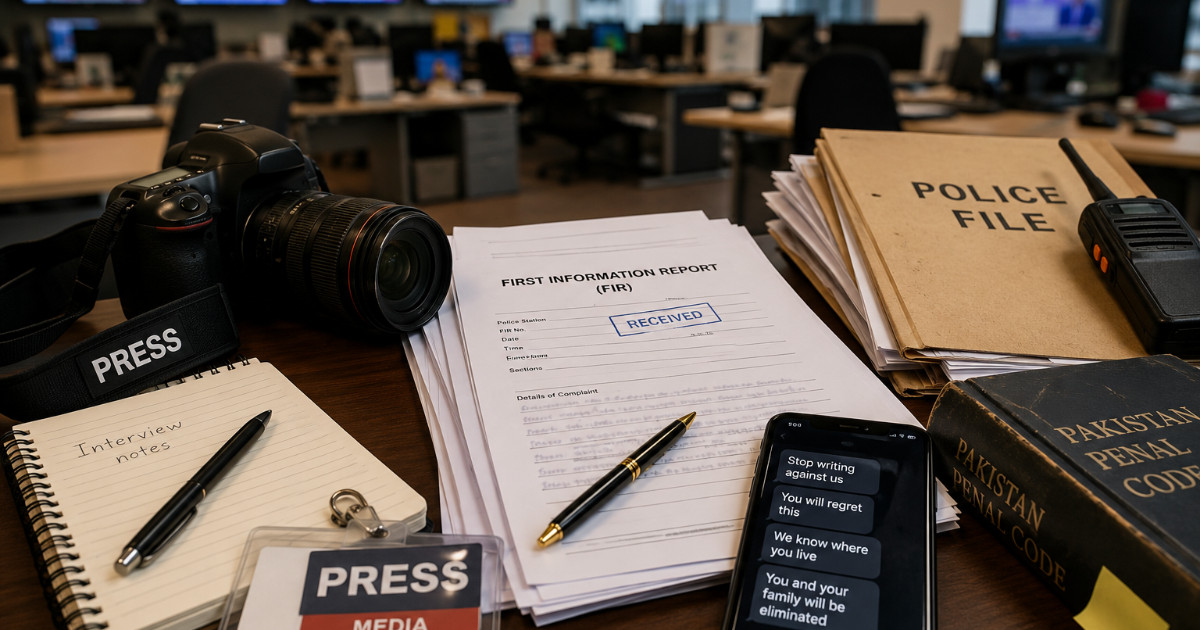
Barkat was first arrested on November 26, 2025, and subsequently faced at least four cases filed under PECA, a law originally framed to address digital crime but now broadly criticized as a tool that criminalizes legitimate journalism and expression. His detention stretched over months, not because of any quick trial or conviction, but because courts repeatedly cancelled bail in one case after another, keeping him in pre‑trial custody even after bail had been secured in others.
Rights groups, including Reporters Without Borders and international NGOs, were unequivocal in their criticism. RSF highlighted Barkat’s arrest under successive cybercrime complaints and called for all charges to be dropped, framing the case as emblematic of broader suppression of critical voices in Pakistan.
How PECA has been used against journalists
Barkat’s case is far from isolated. Since amendments to PECA were introduced, journalists, commentators, civil society figures, and even rights lawyers have found themselves ensnared in vague, broad provisions that criminalize “false information,” “harmful content,” or alleged cyber threats. High‑profile cases such as the conviction of lawyers Imaan Zainab Mazari‑Hazir and Hadi Ali Chatha under PECA on social media posts attracted international condemnation for disproportionate sentencing and raised the alarm about the misuse of the law to suppress dissent.
Critics argue PECA’s language is so sweeping that it grants authorities disproportionate powers to act on complaints without clear standards for evidence or protections for free speech. Civil society groups warned that such powers can be turned against journalists for doing their jobs, reporting, investigating, questioning power, rather than addressing genuine cybercrime.
The Barkat case and press freedom
For Pakistan’s beleaguered press, Barkat’s release is a double‑edged moment. On one hand, bail vindicates the argument that his detention lacked a sound legal basis. On the other hand, the months spent in custody, with bail repeatedly overturned in successive FIRs, illustrate how PECA can be strategically deployed to wear down journalists and chill critical reporting.
Journalists and advocates warn that prolonged pre‑trial detention, the filing of multiple overlapping cases, and repeated bail challenges amount to what rights defenders call legal harassment, using the courts and criminal justice system not to secure justice, but to punish and silence.
Journalist unions: pushing back, but is it enough?
Union bodies and international press freedom organizations have been vocal in condemning Barkat’s detention and urging his release. They argue that the pattern of legal actions against journalists represents a systematic threat to media freedom. Yet many inside the press community ask whether these institutions are doing enough to protect their ranks consistently rather than reactively, especially when powerful interests are involved.
Critics within the profession point to selective activism and uneven pressure campaigns, saying that some cases galvanise solidarity while others barely attract attention until they reach breaking point in the courts or digital sphere. Barkat’s case, amplified by global NGO statements and international media, may itself be a symptom of how journalists must rely on external visibility, rather than robust internal mechanisms, to secure basic legal safeguards.
What this means for media freedom in Pakistan
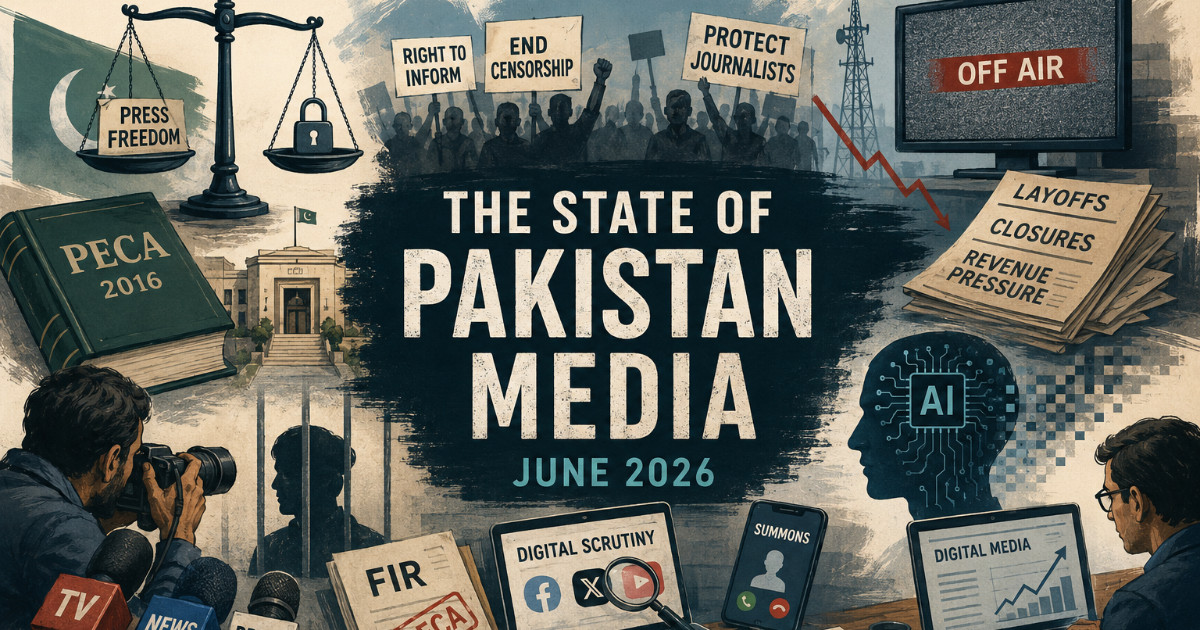
Barkat’s release, coming after sustained pressure from rights groups and media networks, is a relief. But it also lays bare a dangerous precedent: laws designed to protect citizens online are now being interpreted in ways that undermine the very freedom of expression they should safeguard. The ability of authorities to file multiple cases, keep activists in pre‑trial detention, and drag journalists through a cycle of courts not only injures individuals but also creates a chilling effect across newsrooms.
As press freedom indicators decline globally and legal actions against reporters rise, Pakistan’s journalists find themselves navigating a landscape where digital expression can be criminalized, and where the fear of being next looms large. Barkat’s ordeal serves as both a warning and a call to action: without legal reform, media solidarity, and sustained advocacy, the line between legitimate digital regulation and repression of dissent will only blur further.
In Barkat’s own extended fight for bail and return to freedom, the crisis of press freedom in Pakistan has been starkly exposed, and the challenge before journalists, unions, and rights groups remains clearer than ever.
ATTRIBUTION: Based on reporting by JournalismPakistan (January 15, 2026) and publicly available statements from Reporters Without Borders (March 6, 2026) and the International Federation of Journalists (March 5, 2026).
PHOTO: A screenshot from Sohrab Barkat's YouTube channel
Key Points
- Sohrab Barkat was arrested on November 26, 2025, and detained for over 90 days under multiple PECA cases.
- Court decisions repeatedly cancelled bail in successive cases, prolonging pre-trial custody despite releases in other matters.
- PECA, intended for digital crime, is criticized for broadly criminalizing legitimate journalism and online expression.
- Local and international rights groups, including RSF, have called for charges to be dropped and highlighted the case as emblematic of repression.
- The episode raises wider concerns about judicial process, repeated FIRs, and the chilling effect on independent media in Pakistan.
Key Questions & Answers
What led to Sohrab Barkat's detention?
Barkat was arrested on November 26, 2025, and faced multiple FIRs filed under PECA, resulting in successive bail cancellations that kept him in custody.
What is PECA, and why is it controversial?
The Prevention of Electronic Crimes Act is Pakistan's cybercrime law; critics say its broad provisions have been used to criminalize journalism and silence dissent.
How have rights groups responded to Barkat's case?
Local and international organizations, including Reporters Without Borders, condemned the repeated use of PECA in his arrest and urged charges to be dropped.
What does Barkat's release mean for press freedom?
His bail underscores ongoing concerns about legal tools being used to intimidate journalists and may prompt renewed calls for reform and safeguards for media rights.
Relevant Topics
Ask AI: Understand this story your way
AI EnabledDig deeper, ask anything — get instant context, background, and clarity.
Disclaimer: This feature is powered by AI and is intended to help readers explore and understand news stories more easily. While we strive for accuracy, AI-generated responses may occasionally be incomplete or reflect limitations in the underlying model. This feature does not represent the editorial views of JournalismPakistan. For our full, verified reporting, please refer to the original article.