
Russia labels Deutsche Welle undesirable in media crackdown
JournalismPakistan.com | Published: 16 December 2025 | JP Global Monitoring Desk
Join our WhatsApp channel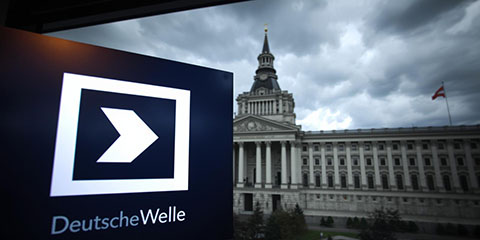
Russia has banned Deutsche Welle by designating it as an undesirable organization, criminalizing any cooperation with the broadcaster. This action reflects ongoing media restrictions under the Kremlin's control.Summary
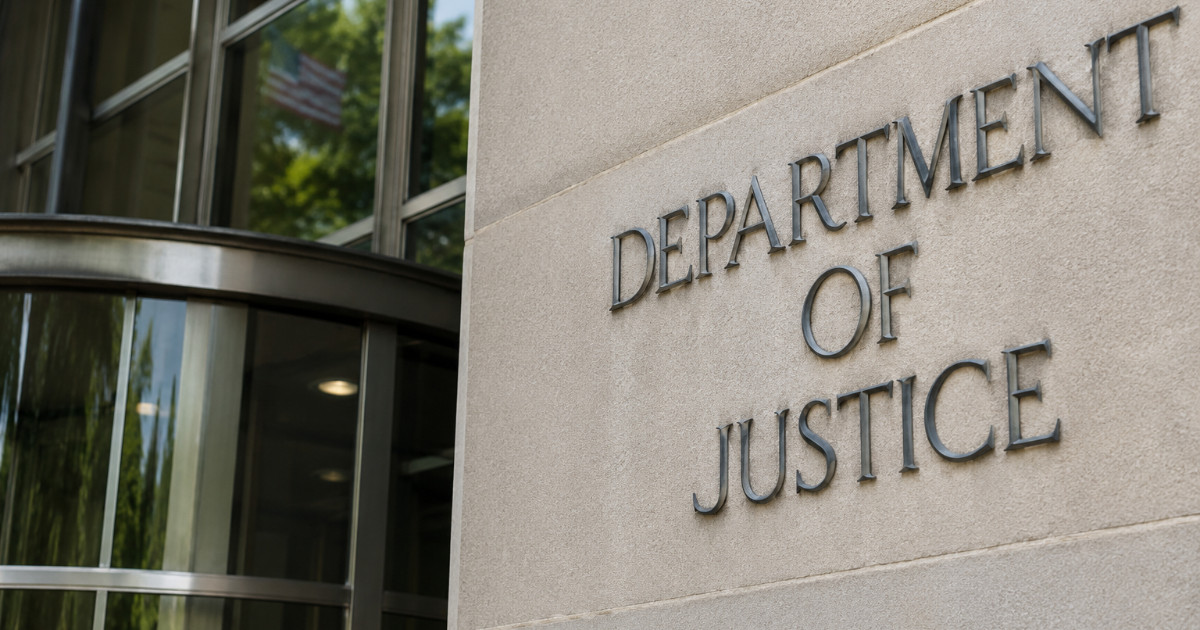
MOSCOW — Russia has designated the German international broadcaster Deutsche Welle as an undesirable organization under its legal framework, effectively banning its operations and making cooperation with the outlet a criminal offence in the country. The move was announced by the Russian Ministry of Justice on December 16, adding Deutsche Welle to the official register of organisations deemed undesirable for threatening state security. Any involvement with such entities, including sharing content or working with journalists, can trigger legal penalties for individuals and groups in Russia. This action comes amid a broader pattern of restrictions on foreign media and dissenting voices.
Escalation of media restrictions
Critics say the designation further intensifies Moscow’s longstanding suppression of independent journalistic voices. Deutsche Welle’s Director General Barbara Massing condemned the classification, describing it as an attempt to stifle freedom of expression and independent reporting, particularly on topics like Russia’s invasion of Ukraine. The broadcaster has faced previous hurdles in Russia, including being labelled a foreign agent and having its Moscow office closed.
Russia’s parliament and judicial authorities have justified the designation by accusing Deutsche Welle of disseminating hostile propaganda and threatening the country’s constitutional order. Lawmakers such as Vasily Piskaryov highlighted alleged disinformation as a rationale, framing the broadcaster as a tool of foreign influence. Under Russian law, individuals who fund, organise, or even share material from undesirable organisations may face severe penalties.
International and domestic reactions
The designation has drawn criticism from German officials and press freedom advocates, who view the move as part of a broader clampdown on media freedoms in Russia. In Berlin, government spokespeople and parliamentary figures condemned the step as worrying for international information exchange and open societies. Supporters of press freedom argue that making ordinary contact with journalists punishable damages basic civil liberties.
Analysts note that Russia’s campaign against foreign organisations has expanded in recent years, with numerous NGOs and media outlets similarly listed as undesirable. This reflects a broader Kremlin strategy to limit external influences and control domestic information, particularly in the context of ongoing geopolitical tensions and the war in Ukraine.
ATTRIBUTION: Reporting by Reuters, AP News, and aggregated sources
PHOTO: AI-generated; for illustrative purposes only
Key Points
- Russia designated Deutsche Welle an undesirable organization under its justice ministry list.
- The ban criminalizes cooperation with and sharing content from Deutsche Welle in Russia.
- DW condemns the move as a suppression of independent journalism.
- German officials and press freedom groups criticize the escalation.
- This action forms part of a larger pattern of media and NGO restrictions in Russia.
Relevant Topics
Ask AI: Understand this story your way
AI EnabledDig deeper, ask anything — get instant context, background, and clarity.
Disclaimer: This feature is powered by AI and is intended to help readers explore and understand news stories more easily. While we strive for accuracy, AI-generated responses may occasionally be incomplete or reflect limitations in the underlying model. This feature does not represent the editorial views of JournalismPakistan. For our full, verified reporting, please refer to the original article.