.png)
Poynter adds six journalists to National Advisory Board
JournalismPakistan.com | Published: 29 January 2026 | JP Global Monitoring
Join our WhatsApp channel
Six journalists and media leaders have been appointed to the Poynter Institute's National Advisory Board to advise on newsroom training, ethics, digital innovation and strategies to bolster press freedom, fact-checking and public trust in journalism in 2026.Summary
ST PETERSBURG, FLORIDA — The Poynter Institute has announced the appointment of six accomplished journalists and media leaders to its National Advisory Board, a move expected to shape the nonprofit journalism school’s industry priorities and support strategies for newsroom training and professional development in 2026.
The advisory board members, drawn from diverse sectors of the journalism and media ecosystem, will advise Poynter’s leadership on emerging challenges in media ethics, newsroom transformation, digital innovation, audience engagement, and fact‑based reporting. These appointments come as Poynter continues to expand its global role in journalism education and press freedom advocacy, including through its International Fact‑Checking Network and newsroom training programs.
The expanded board reflects Poynter’s effort to bring new perspectives into conversations about industry sustainability and standards for professional practice. Advisory board members are expected to participate in regular consultations with Poynter leadership and contribute to strategic planning for initiatives that include newsroom workshops, ethics training modules, and research on media trust and credibility. Poynter’s president, Neil Brown, said the new members’ expertise will help guide the institute’s work at a time when newsrooms worldwide face rapid technological change, economic pressures, and questions about public confidence.
Advisory board offers strategic guidance on newsroom challenges
The National Advisory Board serves as a sounding board for Poynter’s executive team and helps the institute anticipate shifts in media practices and audience expectations. Board members bring experience from different media platforms and newsroom backgrounds, positioning the board to advise on issues from digital transformation to ethical decision‑making in reporting. Poynter’s programming includes professional development courses, seminars on journalism ethics, and partnerships with organizations focused on fact-checking and media literacy.
Implications for journalism education and industry support
Poynter’s advisory board appointments underscore the institute’s commitment to fostering newsroom resilience and professional excellence. The board’s input will also inform Poynter’s curriculum for training journalists who work across local and international news environments, including those facing heightened misinformation and financial constraints. The institute’s work has increasingly intersected with efforts to preserve press freedom, strengthen public trust in journalism, and promote fact‑based reporting in the digital age.
WHY THIS MATTERS: For Pakistani media professionals, the expansion of Poynter’s advisory board matters because it signals global newsroom trends in ethics, audience engagement, and digital adaptation that could inform training and newsroom strategy in Pakistan. Coverage of how leading journalism institutions support professional development offers lessons on newsroom practices, standards for accuracy, and ways to strengthen public trust in media. The inclusion of diverse media leaders in advisory roles may also offer insights into network building and cross‑border collaboration relevant to Pakistan’s media organizations.
ATTRIBUTION: Reporting is based on a Poynter Institute news release and verified institute background information from credible sources.
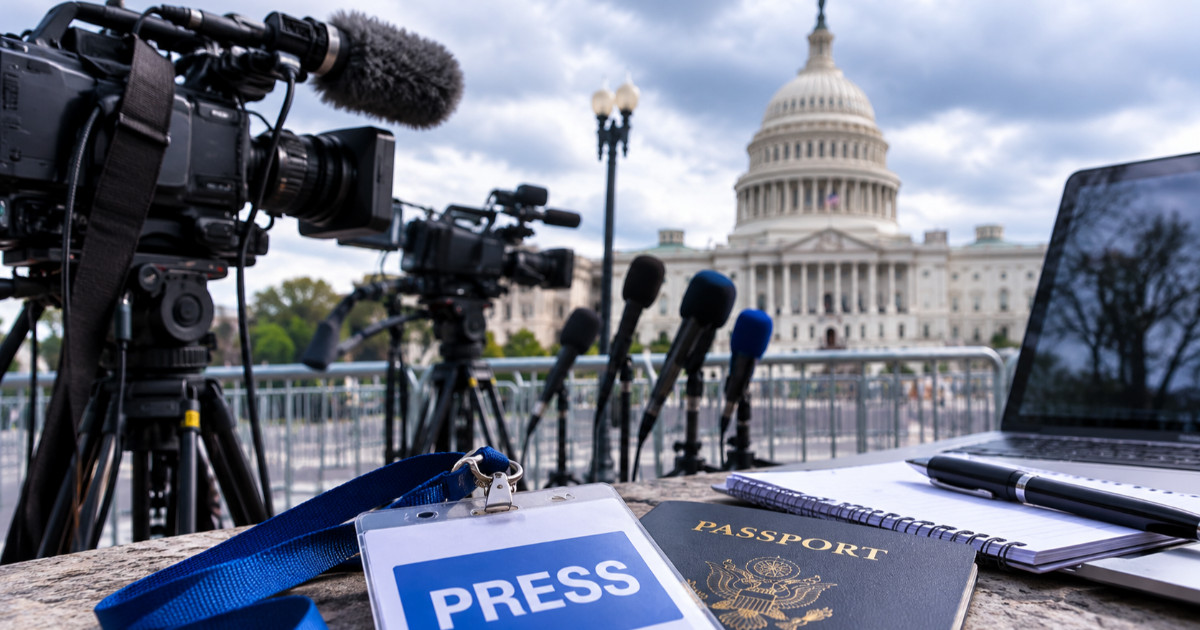
PHOTO: AI‑generated; for illustrative purposes only
Key Points
- Six journalists and media leaders appointed to Poynter's National Advisory Board for 2026.
- Board members come from diverse sectors across journalism and media.
- They will advise on newsroom training, media ethics, digital innovation and audience engagement.
- Appointments support Poynter's work on fact-checking, press freedom and journalism education.
- Members will join regular consultations and contribute to strategic planning for training and research.
Relevant Topics
Ask AI: Understand this story your way
AI EnabledDig deeper, ask anything — get instant context, background, and clarity.
Disclaimer: This feature is powered by AI and is intended to help readers explore and understand news stories more easily. While we strive for accuracy, AI-generated responses may occasionally be incomplete or reflect limitations in the underlying model. This feature does not represent the editorial views of JournalismPakistan. For our full, verified reporting, please refer to the original article.