
Mozambique parliament approves new media, broadcast laws
JournalismPakistan.com | Published: 19 March 2026 | JP Global Monitoring
Join our WhatsApp channel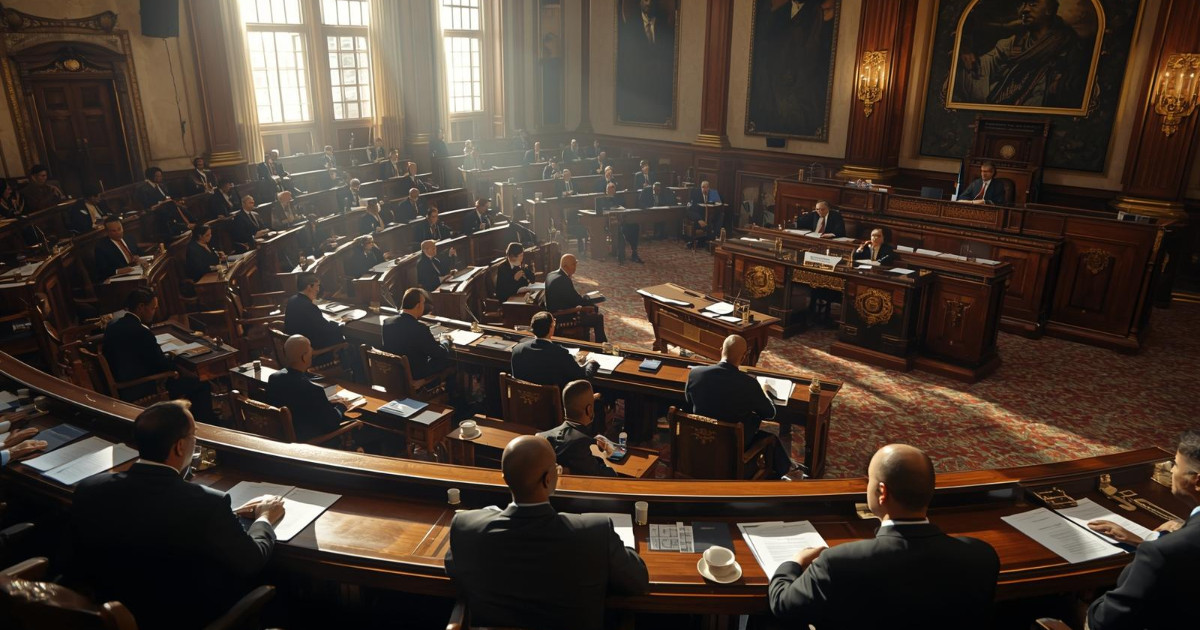
On March 18, 2026, Mozambique's parliament approved media and broadcasting bills in a first-reading vote, ending years of debate. The package creates a Superior Media Council to modernize the 1991 law; critics say it could threaten independent journalism.Summary
MAPUTO, MOZAMBIQUE — Mozambique’s parliament on March 18, 2026, approved a package of draft media and broadcasting bills, including the establishment of a Superior Media Council, in a first‑reading consensus vote that marks the end of more than two decades of legislative debate on media governance.
The legislative package, backed by the ruling Frelimo party and opposition groups in the Assembly of the Republic, is aimed at modernizing regulatory frameworks to reflect digital media’s growth and expanding professional protections for media practitioners.
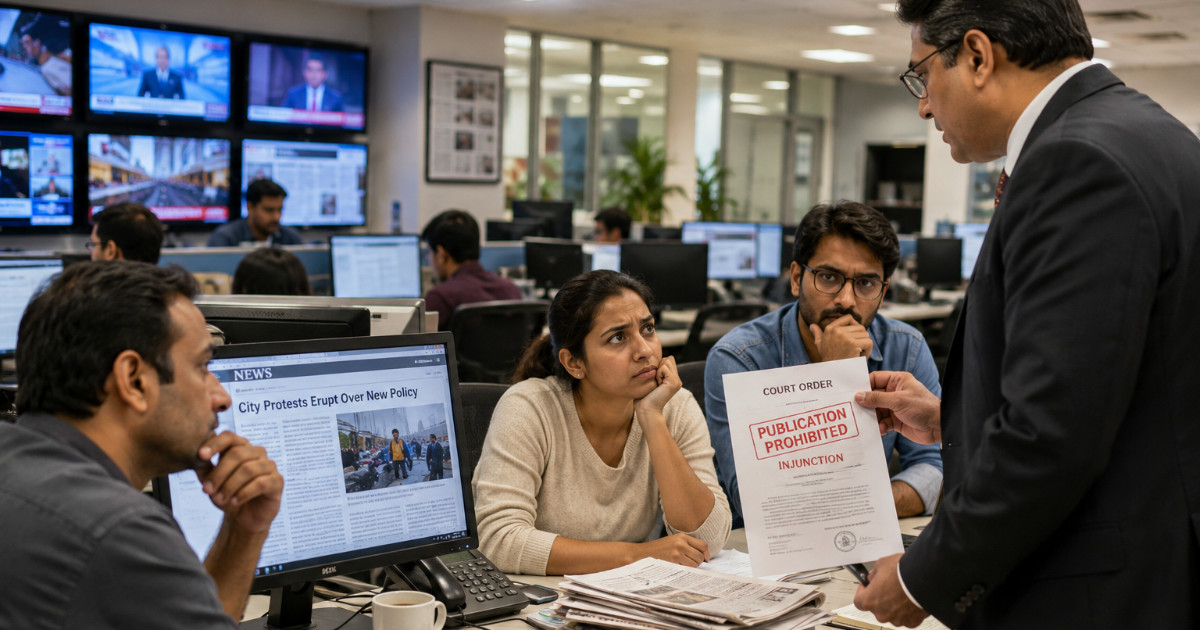
Proponents say the bills will overhaul an outdated 1991 legal framework and address gaps in coverage for new forms of media, broadcasting operations, and public sector media oversight. Critics, however, warn that expansive regulatory powers could risk creeping control over independent journalism and media freedom.
Legislature moves to modernize media law
Chair of the parliamentary Commission for Social Affairs, Gender, Technology and Media, Elcina Eugénio, described the reforms as necessary to “promote press balance and protection of human dignity” while accommodating digital media’s rise and closing normative gaps in broadcasting law. The Superior Media Council bill would create a regulator to supervise all media activities, with supporters saying it could enhance discipline, objectivity, and professional standards.
At the same time, opposition figures, including Podemos leader Sebastião Mussanhane, cautioned that the regulator must not become a tool to “restrict and control” media activity, emphasizing that journalists serve as democratic watchdogs, not extensions of political power.
Debate unfolds against long media reform struggle
Mozambique’s draft reforms come after years of stalled discussion around the nation’s press and broadcast laws, with civil society organizations and media advocates previously expressing concern that prior versions of these proposals could curb media and civic freedoms and increase government influence over press operations. While the constitutional framework envisions a Superior Council for the Media to uphold freedom of information and press independence, proponents of the new legislation say clearer statutory regulation is overdue.
Industry stakeholders now wait as the full parliamentary process unfolds, with final adoption, implementation timelines, and the exact mandates of the Superior Media Council still to be determined.
WHY THIS MATTERS: For Pakistani journalists and media professionals, Mozambique’s legislative push highlights the global trend of countries updating media and broadcasting laws in the digital era. It underscores the importance of legal clarity around media regulation while also cautioning against potential regulatory overreach that could imperil editorial independence, lessons relevant as Pakistan’s media landscape navigates its own evolving legal and technological challenges.
ATTRIBUTION: Information cited from publicly available reporting by Lusa (March 19, 2026).
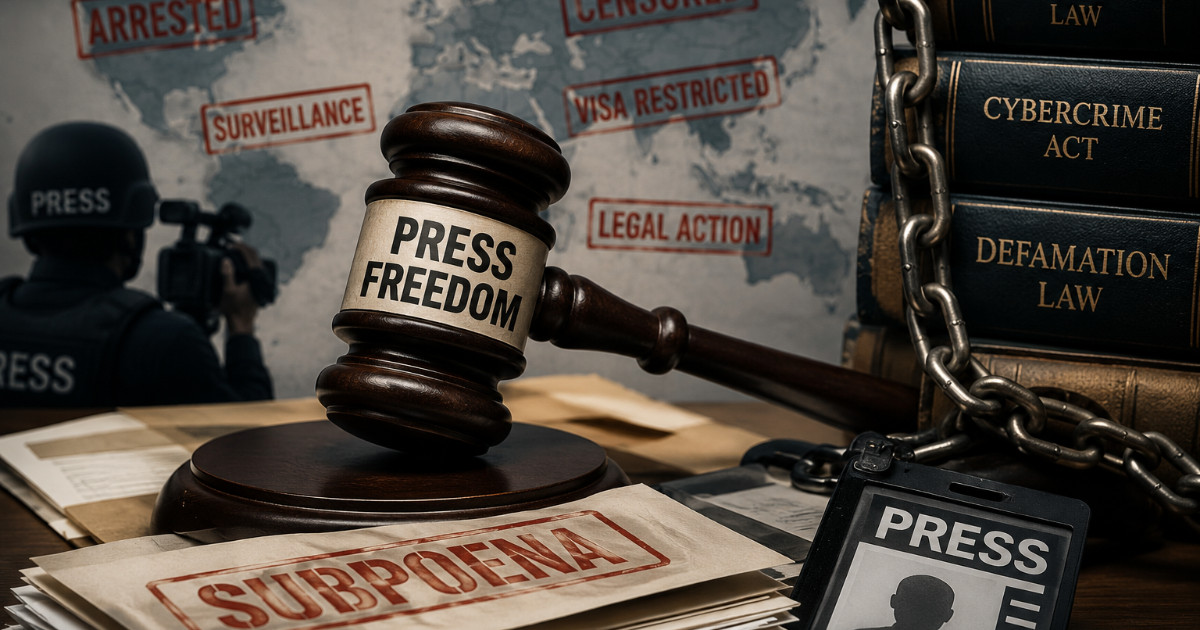
PHOTO: AI-generated; for illustrative purposes only.
Key Points
- Parliament approved a package of media and broadcasting bills in a first-reading consensus vote on March 18, 2026.
- The reforms establish a Superior Media Council to supervise media activities and set professional standards.
- The bills aim to modernize an outdated 1991 legal framework and cover digital and broadcast operations.
- Supporters argue the laws will improve discipline, objectivity and protections for media practitioners.
- Opposition and critics warn the expanded regulatory powers could be used to restrict independent journalism.
Key Questions & Answers
What did parliament approve?
Lawmakers approved a package of media and broadcasting bills in a first-reading consensus vote on March 18, 2026.
What is the Superior Media Council?
It is a proposed regulator that would supervise media activities, set standards and oversee public sector media.
Why do supporters back the bills?
Backers say the reforms modernize the 1991 framework, address digital media gaps and expand professional protections for journalists.
What are critics concerned about?
Critics warn the broad regulatory powers could be used to curb independent journalism and limit media freedom.
Relevant Topics
Ask AI: Understand this story your way
AI EnabledDig deeper, ask anything — get instant context, background, and clarity.
Disclaimer: This feature is powered by AI and is intended to help readers explore and understand news stories more easily. While we strive for accuracy, AI-generated responses may occasionally be incomplete or reflect limitations in the underlying model. This feature does not represent the editorial views of JournalismPakistan. For our full, verified reporting, please refer to the original article.