.png)
Media layoffs deepen as funding cuts reshape newsrooms
JournalismPakistan.com | Published: 23 March 2026 | JP Staff Report
Join our WhatsApp channel
Major international news organizations are enacting widespread layoffs and shuttering units as advertising revenues, search traffic and funding fall, driving a shift toward digital and paywalled models. Publicly funded outlets also face freezes and uncertainty.Summary
ISLAMABAD — A new wave of layoffs and funding disruptions across major international media organizations is setting the tone for the week ahead, with industry leaders expected to address the fallout at upcoming conferences and strategy forums.
In the United States, CBS News is cutting about 6 percent of its workforce and shutting down its nearly century-old radio division as part of a shift toward digital and streaming operations. The move will eliminate all jobs in that unit and reflects broader restructuring under new leadership focused on modernization.
At the same time, The Washington Post has laid off hundreds of journalists, roughly a third of its workforce, closing sections and scaling back international coverage amid financial losses and declining subscriptions.
Layoffs tied to digital transition and revenue decline
These cuts follow similar restructuring at CNBC, which is merging its television and digital operations while eliminating several newsroom roles as part of a paywall-driven strategy.
The layoffs are not isolated. Analysts point to a broader industry contraction driven by falling advertising revenues, reduced search traffic, and the growing dominance of artificial intelligence platforms in content distribution. A 2026 forecast by the Reuters Institute found that publishers expect significant declines in search-driven traffic, intensifying pressure on traditional business models.
Funding shocks hit public-interest journalism
Beyond commercial media, publicly funded outlets are also under strain. Funding freezes affecting US-backed broadcasters such as Radio Free Asia have already led to large-scale layoffs and operational cutbacks, raising concerns about the sustainability of international public-interest journalism.
These funding shocks are expected to be a major focus of discussions this week among media development organizations and donors, particularly as nonprofit and donor-supported outlets face increasing uncertainty over long-term financing.
Industry events to focus on AI and revenue models
Several global media conferences scheduled this week are expected to directly address these challenges, with sessions centered on artificial intelligence, subscription models, and alternative revenue streams.
Newsroom leaders are likely to highlight a structural shift: routine editorial roles are being reduced while investment grows in video, audience engagement, and AI-assisted workflows. The Reuters Institute has noted that many publishers are reallocating resources toward content that cannot be easily automated, such as investigations and analysis.
The week ahead is also expected to bring announcements of new funding partnerships and digital initiatives aimed at stabilizing independent media, particularly in regions where advertising markets remain weak.
Why the newsroom strategy is rapidly changing
The convergence of layoffs, funding cuts, and technological disruption is accelerating a transformation in newsroom structures worldwide. Hybrid roles combining editorial, technical, and audience expertise are increasingly replacing traditional reporting positions.
Industry observers say this transition is no longer cyclical but structural, with media organizations redefining how journalism is produced, distributed, and monetized in a platform-dominated environment.
WHY THIS MATTERS: For Pakistani media organizations, these developments highlight the risks of over-reliance on advertising and platform traffic. The global shift toward subscriptions, donor funding, and AI integration offers practical models, but also warnings, about how quickly newsroom structures can change under financial pressure.
ATTRIBUTION: Information cited from publicly available reporting by Reuters (March 20, 2026) and The Washington Post (February 4, 2026), along with a publicly available report by the Reuters Institute (January 12, 2026).
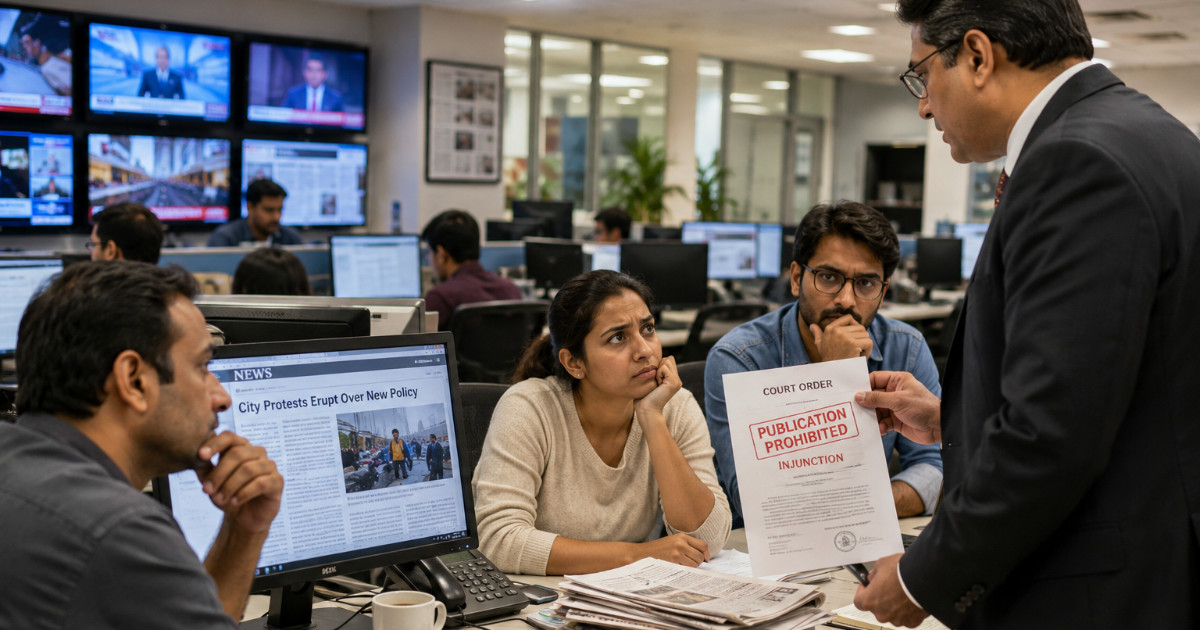
PHOTO: AI-generated; for illustrative purposes only.
Key Points
- CBS News will cut about 6% of staff and close its long-running radio division amid a shift to digital and streaming.
- The Washington Post has laid off roughly a third of its newsroom, reducing sections and international reporting.
- CNBC is merging TV and digital operations and eliminating newsroom roles to focus on paywall-driven strategies.
- Industry pressures include falling ad revenue, reduced search traffic and the rise of AI platforms in content distribution.
- Publicly funded and US-backed broadcasters face funding freezes, exacerbating threats to public-interest journalism.
Key Questions & Answers
Why are major news organizations cutting staff?
Declining advertising revenue, reduced search-driven traffic and shifts to digital distribution have squeezed traditional business models.
Which outlets are mentioned as affected?
CBS News, The Washington Post and CNBC are cited, along with publicly funded broadcasters facing funding freezes.
How are newsrooms adapting to these pressures?
Many organizations are consolidating operations, prioritizing digital and streaming products and pursuing paywall or subscription strategies.
What is the outlook for public-interest journalism?
Funding shocks and freezes threaten public-interest reporting; observers warn this could reduce international and investigative coverage.
Relevant Topics
Ask AI: Understand this story your way
AI EnabledDig deeper, ask anything — get instant context, background, and clarity.
Disclaimer: This feature is powered by AI and is intended to help readers explore and understand news stories more easily. While we strive for accuracy, AI-generated responses may occasionally be incomplete or reflect limitations in the underlying model. This feature does not represent the editorial views of JournalismPakistan. For our full, verified reporting, please refer to the original article.