
Mali arrests editor over Niger leader criticism
JournalismPakistan.com | Published: 10 February 2026 | JP Global Monitoring
Join our WhatsApp channel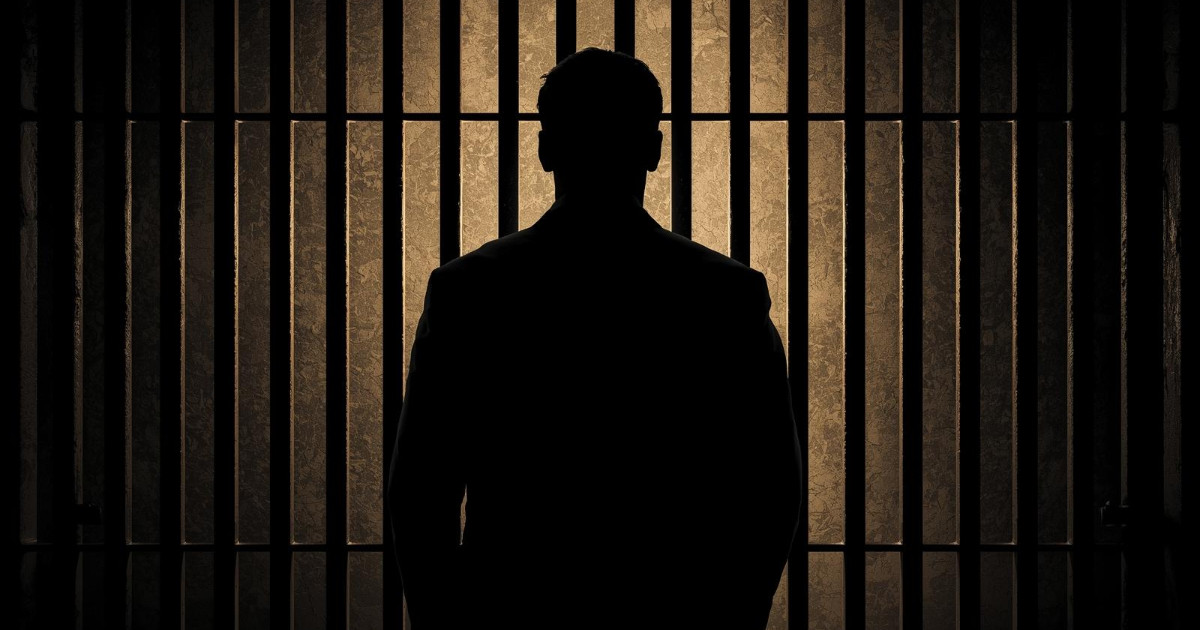
Youssouf Sissoko, editor of weekly L'Alternance, was arrested in Bamako and charged with spreading false information and insulting a foreign head of state after publishing criticism of Niger's military leader, prompting rights groups to warn of crackdown.Summary
BAMAKO — Malian authorities have arrested Youssouf Sissoko, editor-in-chief of the weekly newspaper L’Alternance, after the publication of an article critical of Niger’s military leader. Sissoko was taken into custody and later charged with spreading false information and insulting a foreign head of state, according to multiple international press freedom organizations.
He remains in pretrial detention and is expected to face a court hearing in March. The case has drawn condemnation from international rights groups, which say the charges reflect increasing pressure on independent journalism in Mali under the country’s military-led government.
Growing concerns over media restrictions
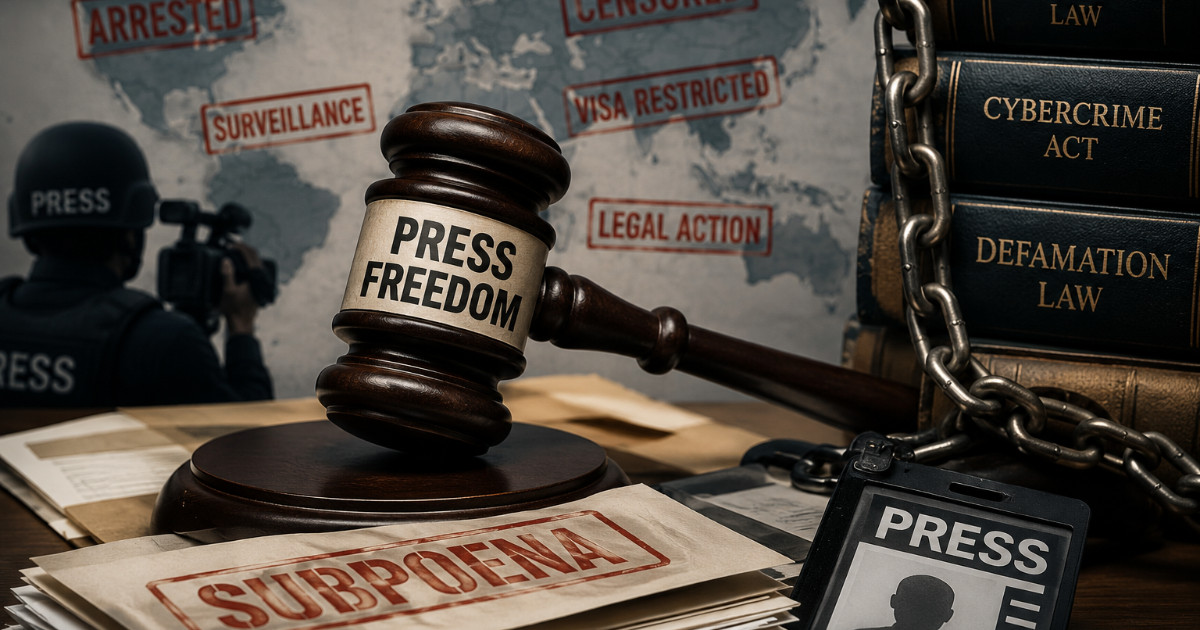
Human Rights Watch and Reporters Without Borders have criticized the arrest, describing it as part of a broader pattern of repression targeting critical media voices. Both organizations have documented previous cases in which Malian authorities invoked broadly worded cybercrime and defamation laws to detain or prosecute journalists.
Since the military assumed power, press freedom advocates have raised concerns about shrinking space for independent reporting, particularly on security, governance, and regional political developments. The use of charges such as spreading false information has been highlighted by watchdog groups as a tool that can be applied expansively, raising questions about due process and proportionality.
Regional political sensitivities
The charges against Sissoko stem from commentary concerning Niger’s military leadership, underscoring the political sensitivities surrounding relations among Sahel states governed by military juntas. Mali and Niger are both led by military authorities following coups in recent years, and cooperation among these governments has reshaped regional alliances.
Analysts note that criminal provisions related to insulting foreign heads of state are still present in several legal systems, despite international standards encouraging decriminalization of defamation and stronger protections for press freedom. Rights organizations argue that such laws can have a chilling effect on cross-border reporting and regional political analysis.
The outcome of Sissoko’s case will be closely watched by press freedom advocates as an indicator of the trajectory of media regulation in Mali and its implications for journalists covering sensitive political issues in West Africa.
WHY THIS MATTERS: The case highlights how broadly framed cybercrime and defamation laws can be used to detain journalists for critical reporting, a trend that media professionals in Pakistan monitor closely. For Pakistani newsrooms, the development underscores the importance of legal risk assessment, editorial documentation, and adherence to verifiable sourcing when covering sensitive political or international topics.
ATTRIBUTION: Information based on reports and statements by Human Rights Watch and Reporters Without Borders.
PHOTO: AI-generated; for illustrative purposes only.
Key Points
- Youssouf Sissoko, editor-in-chief of L'Alternance, was arrested in Bamako.
- He faces charges of spreading false information and insulting a foreign head of state.
- He remains in pretrial detention and is expected to face a court hearing in March.
- Human Rights Watch and Reporters Without Borders have condemned the arrest.
- Rights groups say the case reflects broader repression of independent media and use of defamation/cybercrime laws.
Relevant Topics
Ask AI: Understand this story your way
AI EnabledDig deeper, ask anything — get instant context, background, and clarity.
Disclaimer: This feature is powered by AI and is intended to help readers explore and understand news stories more easily. While we strive for accuracy, AI-generated responses may occasionally be incomplete or reflect limitations in the underlying model. This feature does not represent the editorial views of JournalismPakistan. For our full, verified reporting, please refer to the original article.