.png)
Thai minister sues journalists over bribery reports
JournalismPakistan.com | Published: 9 April 2026 | JP Asia Desk
Join our WhatsApp channel
A senior Thai cabinet minister has filed criminal defamation charges against two journalists after reports alleging bribery linked to middlemen for Thai workers abroad. Rights groups warn such legal action fuels uncertainty and deters investigative reporting.Summary
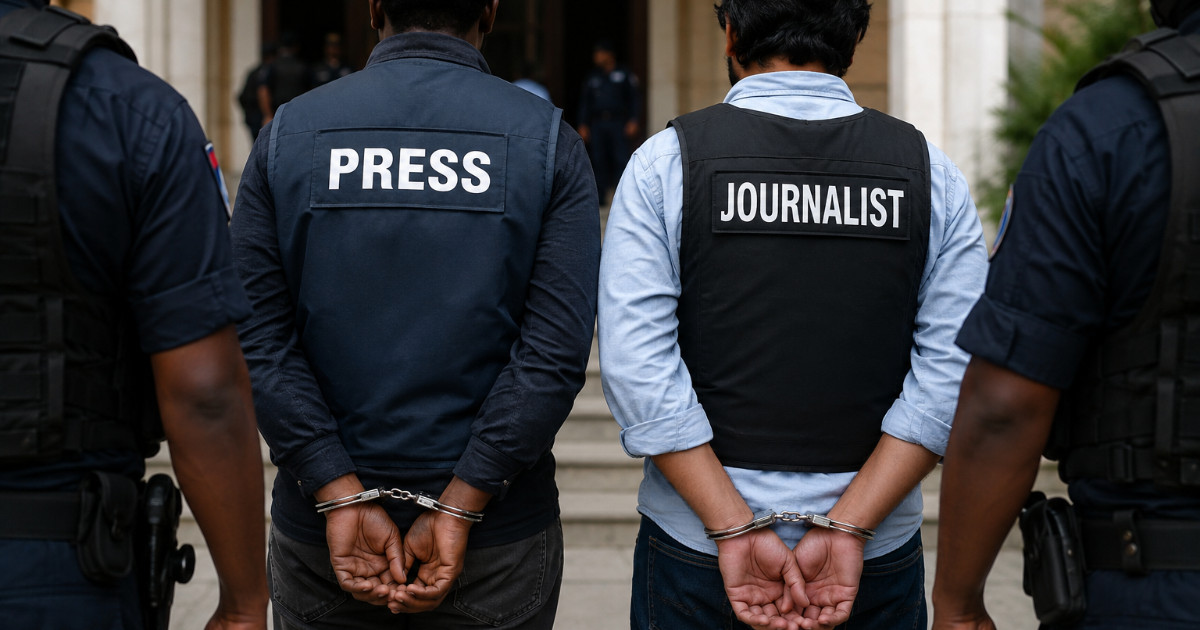
BANGKOK — A senior Thai cabinet minister has filed criminal defamation lawsuits against two journalists over their reporting on an alleged bribery case, raising fresh concerns about press freedom and legal pressure on the media in Southeast Asia.
The lawsuits were filed after the reporters published accounts of alleged bribery involving politicians and intermediaries linked to Thai workers abroad, according to Human Rights Watch. Under Thailand’s criminal defamation provisions, such charges can carry potential jail terms, and legal action against journalists is widely seen as a means to deter investigative reporting.
Defamation charges escalate in Thai media landscape
Critics say the move underscores how Thai authorities and powerful individuals continue to rely on criminal defamation laws to challenge and punish reporting that touches on corruption or misconduct. The trial court retains the authority to dismiss cases that lack legal merit or foundation.
Thailand’s criminal code treats defamation as a penal offence, with possible prison terms of up to two years and fines for published defamatory statements, and places limits on using truth as a defense in certain cases.
Persistent legal pressure on journalists
Media freedom advocates have repeatedly warned that Thailand’s criminal defamation framework creates a climate of uncertainty for journalists, who may face litigation even for reporting on public interest topics. Human Rights Watch and other rights groups have also called on Thai authorities to reform these laws to better protect press freedom and prevent their use as strategic litigation against journalists.
Legal pressure on the press in Thailand is not new: previous defamation cases, including those brought at the behest of foreign entities or against foreign journalists, have drawn criticism from international rights organizations for their chilling effects on coverage.
WHY THIS MATTERS: This development highlights a continuing regional trend in Southeast Asia where defamation and other legal provisions are used to curb critical reporting, a tactic that resonates with legal pressures faced by journalists in Pakistan under cybercrime and defamation statutes. Understanding how courts in Thailand handle such cases can inform newsroom legal strategies and risk assessment for investigative reporting in Pakistan. The case also underscores the importance of legal safeguards for journalists covering corruption and public interest issues.
ATTRIBUTION: Reporting by JournalismPakistan, based on publicly available statements from Human Rights Watch (April 9, 2026).
PHOTO: By difisher from Pixabay
Key Points
- Senior cabinet minister filed criminal defamation suits against two journalists over bribery reports.
- The reporting concerned alleged bribery involving politicians and intermediaries tied to Thai workers abroad.
- Thailand's criminal defamation law carries potential prison terms and fines and limits on using truth as a defense.
- Rights groups say such legal pressure creates uncertainty and deters investigative journalism.
- The trial court can dismiss cases lacking legal merit; rights advocates call for legal reform.
Key Questions & Answers
Why were the journalists sued?
The minister filed criminal defamation charges after reports alleging bribery linked to politicians and intermediaries connected to Thai workers abroad.
What penalties does criminal defamation carry in Thailand?
It can include up to two years' imprisonment and fines; in some cases truth is not a full defense.
Who raised concerns about the lawsuits?
Human Rights Watch and other rights groups warned the cases could chill investigative reporting and press freedom.
Can the lawsuits be dismissed?
Yes, trial courts can dismiss cases that lack legal merit; however the legal process can still burden journalists.
Relevant Topics
Ask AI: Understand this story your way
AI EnabledDig deeper, ask anything — get instant context, background, and clarity.
Disclaimer: This feature is powered by AI and is intended to help readers explore and understand news stories more easily. While we strive for accuracy, AI-generated responses may occasionally be incomplete or reflect limitations in the underlying model. This feature does not represent the editorial views of JournalismPakistan. For our full, verified reporting, please refer to the original article.