
US-led crackdown dismantles cyber scam networks in Asia
JournalismPakistan.com | Published: 25 April 2026 | JP Asia Desk
Join our WhatsApp channel
A U.S.-led crackdown targeted transnational cyber scam networks operating in Cambodia and Myanmar, resulting in arrests, sanctions and seizure of recruitment and communication systems. Officials said victims were lured by fake job ads and forced into scams.Summary
WASHINGTON—A sweeping U.S.-led crackdown targeting transnational cyber scam networks operating across Cambodia and Myanmar has resulted in sanctions, arrests, and the dismantling of key online recruitment channels, authorities confirmed in recent statements. The coordinated effort, involving multiple international partners, is aimed at disrupting criminal syndicates accused of running large-scale online fraud operations and human trafficking schemes.
Officials said the operation focused on networks that lured victims through fake job advertisements and then coerced them into participating in online scams, often under threat or physical confinement. The crackdown has also led to the seizure of digital infrastructure, including messaging platforms and communication tools used to recruit workers and coordinate fraudulent activities.
Authorities target digital infrastructure
Law enforcement agencies have moved aggressively to shut down communication channels linked to these networks, including encrypted messaging groups and recruitment websites. While officials describe this as a critical step in dismantling criminal operations, the seizures have also affected access to digital trails that journalists and researchers have relied on to investigate these syndicates.
Media watchdogs and investigative reporters have previously documented how these networks operate across borders, exploiting regulatory gaps and weak enforcement in parts of Southeast Asia. The sudden removal of online data and communication logs may complicate ongoing reporting efforts and limit the availability of verifiable evidence for future investigations.
Impact on reporting and regional coverage
Journalists covering human trafficking and cybercrime in the region say the crackdown underscores both the scale of the problem and the challenges of reporting on it. Access to sources, including victims and intermediaries, may become more restricted as law enforcement tightens control over affected areas and digital platforms.
At the same time, the operation highlights growing international cooperation in tackling cyber-enabled crimes, an area that has expanded rapidly in recent years. News organizations covering the issue will need to navigate a more complex landscape, balancing security concerns with the need for transparency and accountability.
The developments also point to a broader trend of governments asserting greater control over digital ecosystems in the name of security. For journalists, this raises questions about access to information, the preservation of digital evidence, and the potential unintended consequences of enforcement actions on press freedom.
WHY THIS MATTERS: The crackdown illustrates how law enforcement actions against cybercrime can directly affect journalistic access to sources and data. For Pakistani media professionals, it highlights the importance of preserving digital evidence and building cross-border collaborations when covering transnational crime. It also signals a need to adapt reporting strategies as authorities increasingly control online spaces central to investigative work.
ATTRIBUTION: Reporting by JournalismPakistan, based on publicly available statements from U.S. authorities (April 2026) and regional reporting by international media organizations (April 2026).
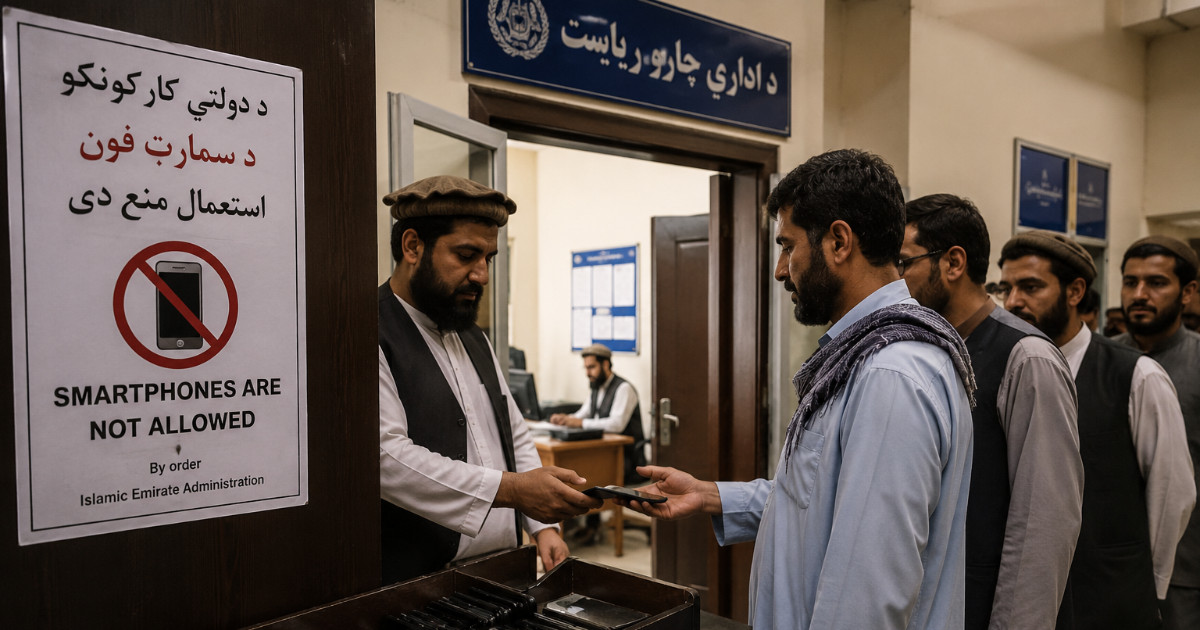
PHOTO: AI-generated; for illustrative purposes only.
Key Points
- Authorities coordinated a U.S.-led operation to dismantle transnational scam networks in Cambodia and Myanmar.
- The crackdown produced arrests and sanctions against individuals and entities linked to the schemes.
- Law enforcement seized recruitment websites, messaging groups and other digital communication channels.
- Victims were reportedly recruited via fake job advertisements and coerced into online fraud and trafficking.
- Seizure of digital infrastructure may limit access to evidence used by journalists and researchers.
Key Questions & Answers
What did the operation target?
The operation targeted transnational cyber scam networks operating across Cambodia and Myanmar, including their recruitment and communication channels.
What enforcement actions were taken?
Authorities announced arrests and sanctions and seized digital infrastructure such as recruitment sites and messaging groups.
How were victims recruited and exploited?
Victims were lured with fake job advertisements and then coerced or confined to participate in online scams and trafficking schemes.
Will the data seizures affect reporting?
Yes; the removal of online communication logs and platforms may complicate investigations by journalists and researchers.
Relevant Topics
Ask AI: Understand this story your way
AI EnabledDig deeper, ask anything — get instant context, background, and clarity.
Disclaimer: This feature is powered by AI and is intended to help readers explore and understand news stories more easily. While we strive for accuracy, AI-generated responses may occasionally be incomplete or reflect limitations in the underlying model. This feature does not represent the editorial views of JournalismPakistan. For our full, verified reporting, please refer to the original article.