

Is Asia using the law to silence independent journalism?
JournalismPakistan.com | Published: 18 November 2026 | JP Special Report
Join our WhatsApp channel
At a November conference in Chiang Mai, Asian media leaders said legal and administrative pressures, such as criminal defamation, cybercrime probes, national security prosecutions, and regulatory threats, are increasingly used to deter independent journalism.Summary
Across Asia, journalists face a growing range of legal pressures, from criminal defamation and cybercrime investigations to national security prosecutions and administrative restrictions. A recent gathering of media leaders in Thailand has renewed questions about whether laws designed to protect society are also being used to discourage independent reporting.
CHIANG MAI — A journalist does not have to be imprisoned or physically attacked to be silenced. Sometimes a police summons, a criminal complaint, a costly lawsuit or the threat of regulatory action is enough to make a newsroom reconsider what it publishes.
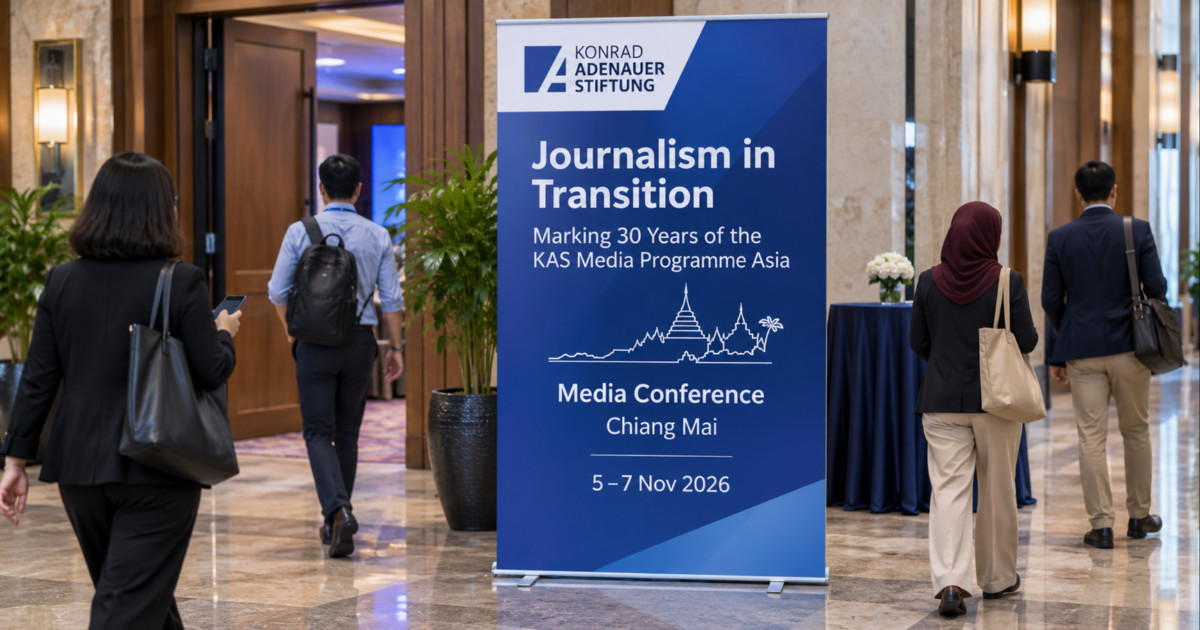
That concern emerged from a November 5–7 conference in Chiang Mai, Thailand, where Asian media leaders discussed the growing use of legal and administrative measures against independent journalism. Their warnings point to a larger regional question: Are governments increasingly using the law, rather than outright censorship, to control what journalists can investigate and report?
When legal pressure becomes censorship
At the conference marking 30 years of the Konrad-Adenauer-Stiftung Media Programme Asia, participants described an environment in which legal threats have become an important obstacle to independent reporting. Chia-Wei Lin of Reporters Without Borders (RSF) highlighted judicial harassment, criminal defamation and censorship, while other speakers described the challenges confronting newsrooms in Bangladesh and Afghanistan.
The warnings are supported by RSF's 2026 World Press Freedom Index. The organization identifies legal attacks as a major factor in deteriorating press freedom across Asia-Pacific, where 21 of the 32 countries and territories assessed fall into its difficult or very serious categories.
Pakistan: Cybercrime law and investigative pressure
Pakistan illustrates how broadly framed cybercrime provisions can affect reporting on matters of public interest.
The Prevention of Electronic Crimes Act (PECA), particularly following its 2025 amendments, has become a central concern for journalists, press unions and digital rights organizations. Critics argue that provisions dealing with false information, online expression and reputational harm can expose reporters to investigation and prosecution over their professional work.
JournalismPakistan has repeatedly documented complaints, notices and proceedings involving journalists under PECA and the National Cyber Crime Investigation Agency (NCCIA).
Freedom Network's Impunity Report 2026 describes these developments as part of a wider pattern of legal pressure. It identifies cybercrime enforcement as an important component of the risks facing journalists, including those reporting on official conduct, corruption and public expenditure.
Administrative restrictions add another dimension. Pakistan's Foreign Media Facilitation Guidelines, issued in August 2026, introduced reporting requirements affecting foreign journalists working outside Islamabad, Lahore and Karachi. Press freedom organizations warned that these requirements could create additional obstacles to independent newsgathering.
The authorities maintain that cybercrime regulation and security measures are necessary to address unlawful online activity and national security concerns. The unresolved issue is whether these powers are accompanied by adequate safeguards against their application to legitimate journalism.
India: National security and the cost of scrutiny
In India, concerns extend beyond criminal defamation to national security legislation, criminal investigations and restrictions on digital content.
RSF's 2026 assessment identifies increasing judicial harassment of independent media, including the use of criminal statutes against journalists. Human Rights Watch has also documented prosecutions and online restrictions affecting media organizations and freedom of expression.
The effects can extend well beyond individual cases. Investigations may require journalists and publishers to devote substantial resources to legal proceedings, while the possibility of arrest or prosecution can discourage reporting on politically sensitive subjects.
A further dispute emerged in October 2026 when Indian media organizations challenged aspects of the country's data protection framework, warning that insufficient exemptions for journalism could affect investigative reporting. The government had offered assurances that press freedom would be protected, according to Reuters.
These developments demonstrate why the wording of legislation, its enforcement and the availability of judicial safeguards all matter. A law may have a legitimate regulatory purpose while still creating substantial difficulties for independent reporting.
Bangladesh: A changing law, familiar concerns
Bangladesh offers an example of how reforms intended to replace controversial legislation can themselves become a source of anxiety.
In June 2026, the Committee to Protect Journalists (CPJ) reported that six journalists associated with Agrajatra Pratidin faced criminal charges linked to corruption reporting. These included cybercrime-related allegations and criminal defamation.
In September, CPJ warned that proposed amendments to Bangladesh's cyber protection legislation could criminalize reporting deemed unverified by officials, with potential prison sentences reaching 10 years. The proposals also raised concerns about official powers affecting news outlets and published content.
Bangladesh's Editors' Council subsequently called for explicit safeguards for independent journalism and protection of confidential sources.
The proposed provisions must be distinguished from legislation already in force. Nevertheless, the controversy demonstrates how easily disputes over misinformation, online harm and public-interest reporting can overlap.
For investigative journalists, the crucial question is who decides whether information is sufficiently verified and what independent process exists to challenge that decision.
Hong Kong: National security and independent publishing
Hong Kong presents a different legal environment, dominated by national security legislation.
The conviction and sentencing of media publisher Jimmy Lai have become prominent examples in international debate about press freedom. In 2026, Lai received a 20-year prison sentence in a national security case, drawing criticism from press freedom organizations.
Authorities have maintained that national security prosecutions concern unlawful conduct rather than legitimate journalism. International media freedom advocates argue that the broad application of security provisions threatens independent reporting and discourages scrutiny of government.
Hong Kong's experience illustrates the particular consequences that can arise when national security legislation intersects with publishing, political commentary and the activities of media organizations.
The issue extends beyond individual prosecutions. Newsrooms must also assess whether investigative stories, commentary and contact with international organizations could attract official scrutiny.
Indonesia and the Philippines: Different laws, similar risks
Indonesia's Electronic Information and Transactions Law has long drawn criticism because of provisions criminalizing online defamation and other forms of expression.
The country's revised Criminal Code, which took effect in January 2026, has created additional concerns about provisions governing insults, false information and other speech-related offences.
In October, CPJ and CIVICUS urged Indonesia's government to address practices undermining press freedom, specifically identifying laws that could be used against journalists.
The Philippines illustrates another form of legal pressure: terrorism-related prosecutions.
RSF has highlighted the case of journalist Frenchie Mae Cumpio, whose prolonged detention and prosecution became a major concern for international press freedom advocates. Her case has been cited in discussions about the use of security-related allegations against journalists and the practice known as red-tagging.
The two countries have different political and legal systems. What connects their experiences is the concern that criminal procedures can become a powerful deterrent to reporting, even before a final judicial ruling.
The punishment can begin before conviction
The consequences of legal action extend beyond prison sentences or court judgments.
A journalist facing investigation may lose access to devices, confidential material, or professional contacts. A newsroom defending several cases may be forced to divert money from reporting to legal expenses. Sources may become reluctant to speak, fearing that their identities could be exposed during an investigation.
Smaller independent publishers are particularly vulnerable because they often lack legal departments, substantial financial reserves, or influential institutional backing.
This creates a form of pressure that does not always appear in statistics measuring convictions or imprisonment. The existence of an unresolved case, especially one involving severe potential penalties, can influence editorial decisions for months or years.
It also creates the possibility of self-censorship. Editors may avoid difficult investigations not because the information is inaccurate or unimportant, but because the legal and financial consequences of publication appear too great.
Regulation or restriction?
Governments have legitimate responsibilities to address fraud, threats, incitement to violence, cybercrime and genuine national security risks. Journalists are not exempt from laws of general application.
But the existence of those responsibilities does not eliminate the need for clear legal definitions, independent judicial oversight, proportional penalties and safeguards for public-interest reporting.
A meaningful distinction must be maintained between deliberately harmful conduct and journalism that exposes wrongdoing, challenges official accounts or publishes information that powerful institutions would prefer to keep confidential.
The question is not simply whether a law exists. It is how that law is drafted, who enforces it, what evidence is required, and whether journalists can challenge its use without facing disproportionate punishment.
Asia's test of press freedom
The Chiang Mai conference brought together experiences from countries with markedly different political systems. The restrictions facing an Afghan woman journalist cannot be equated directly with a criminal defamation complaint in a democratic country, or with a prosecution under Hong Kong's national security legislation.
Yet the comparison reveals a common vulnerability. Legal systems can protect independent journalism, but they can also create mechanisms that make reporting difficult, expensive, or personally dangerous.
For Asia's news organizations, defending press freedom increasingly requires more than opposition to physical attacks and censorship orders. It also requires scrutiny of legislation, regulatory powers, investigative procedures and the financial consequences of legal disputes.
The ultimate measure of press freedom is not merely whether journalists are legally permitted to publish. It is whether they can investigate powerful interests, protect their sources and report matters of public importance without facing unjustified retaliation.
When a newsroom must calculate the risk of criminal investigation before publishing a legitimate story, the law itself becomes part of the editorial equation.
And that raises the question at the centre of Asia's press freedom debate: Is the law protecting independent journalism, or making it harder to practise?
ATTRIBUTION: Analysis by JournalismPakistan. Based on JournalismPakistan's original reporting on media laws and press freedom in Pakistan and its November 6, 2026 coverage of the Chiang Mai conference; Reporters Without Borders' 2026 World Press Freedom Index; Committee to Protect Journalists reports, June–October 2026; Freedom Network's Impunity Report 2026; Human Rights Watch; Reuters, October 27, 2026; and Asia News Network's November 2026 conference reporting.
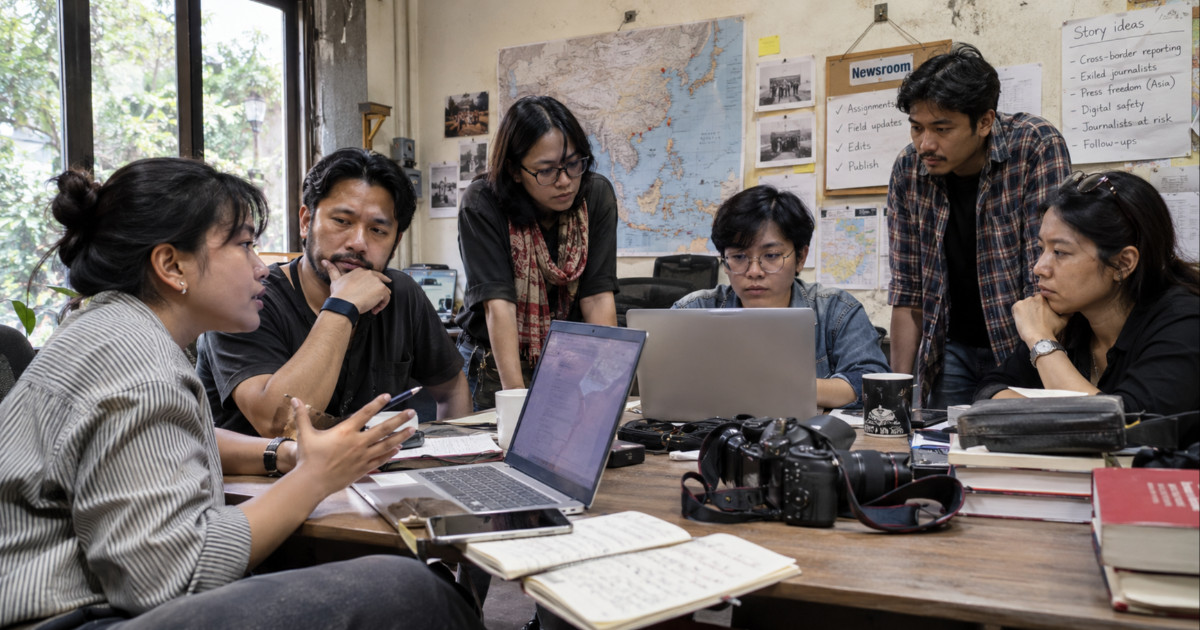
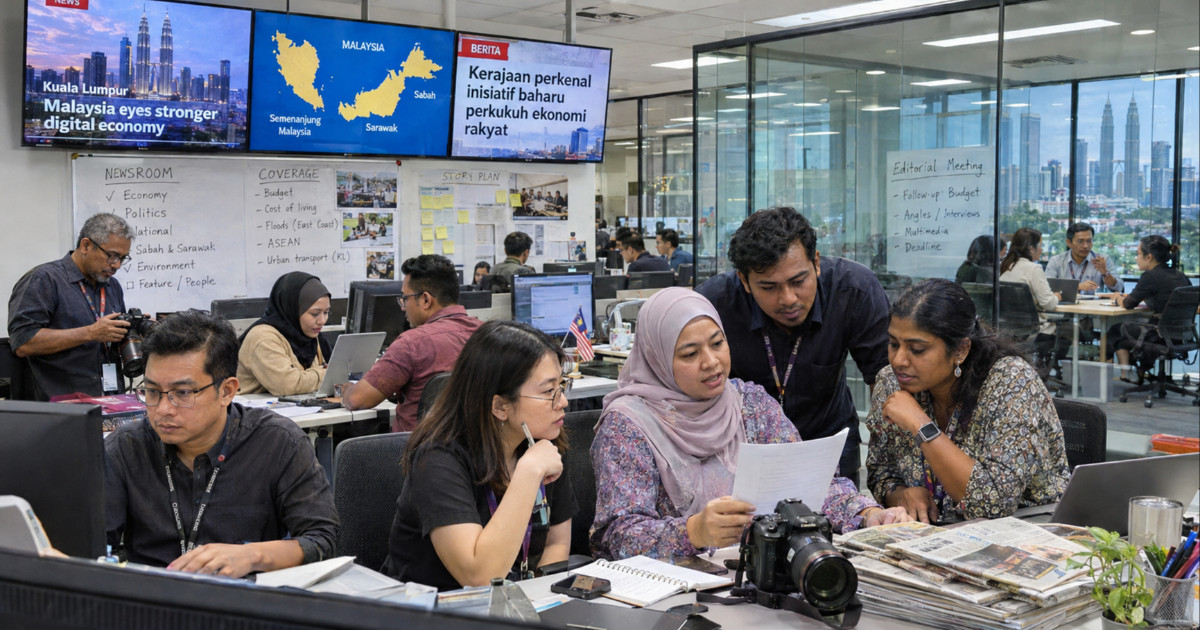
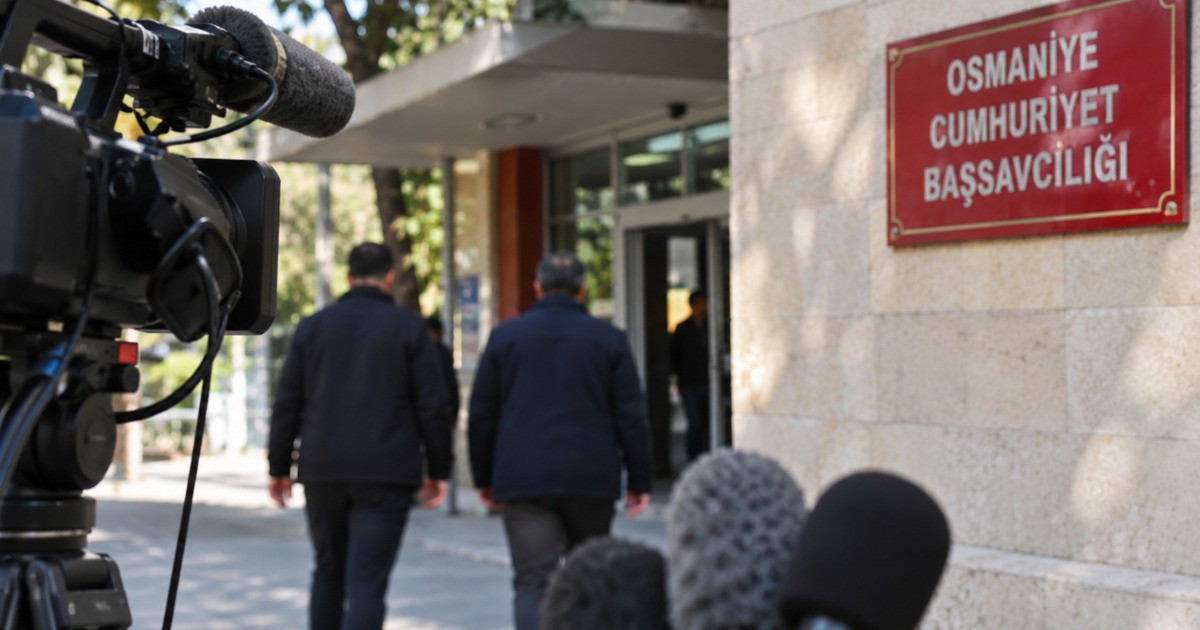
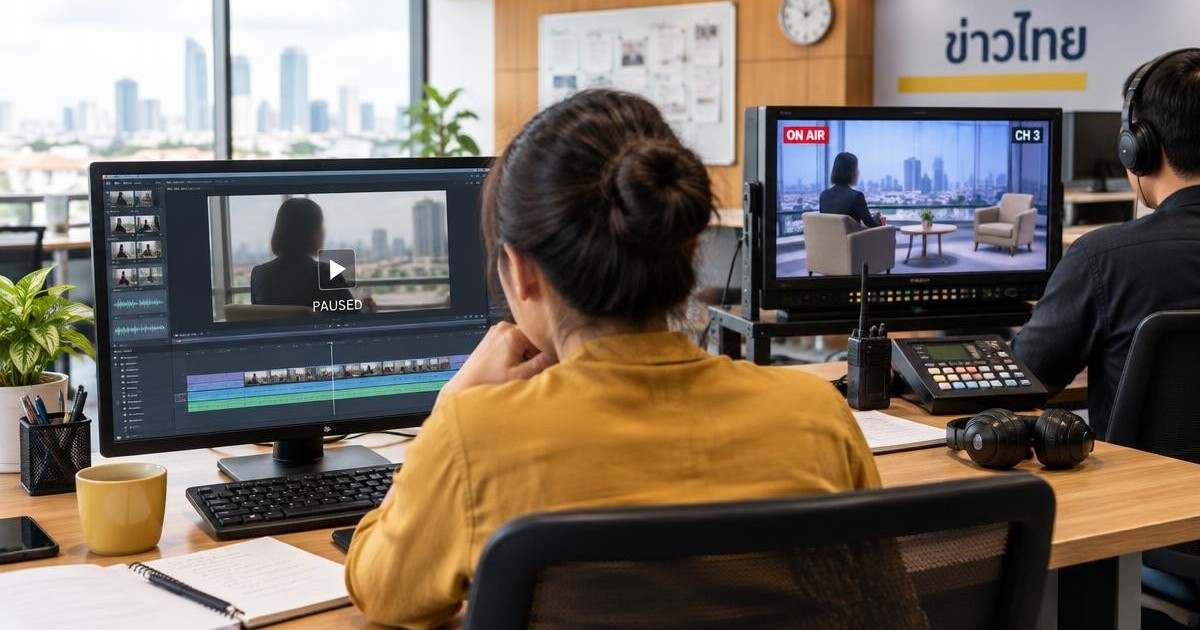
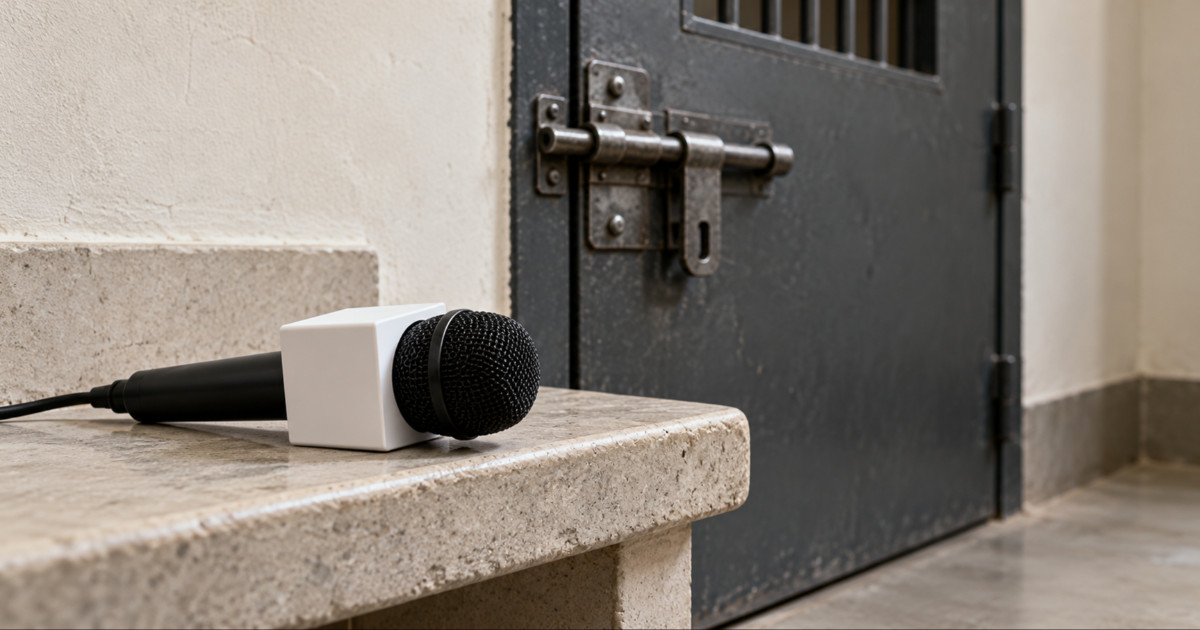
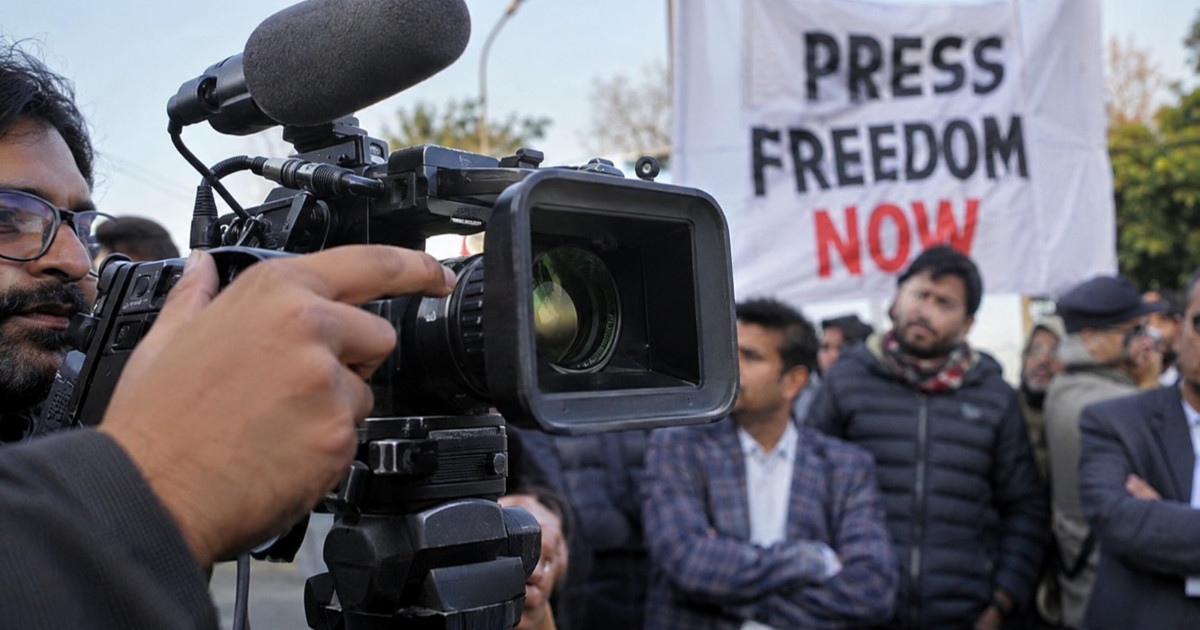
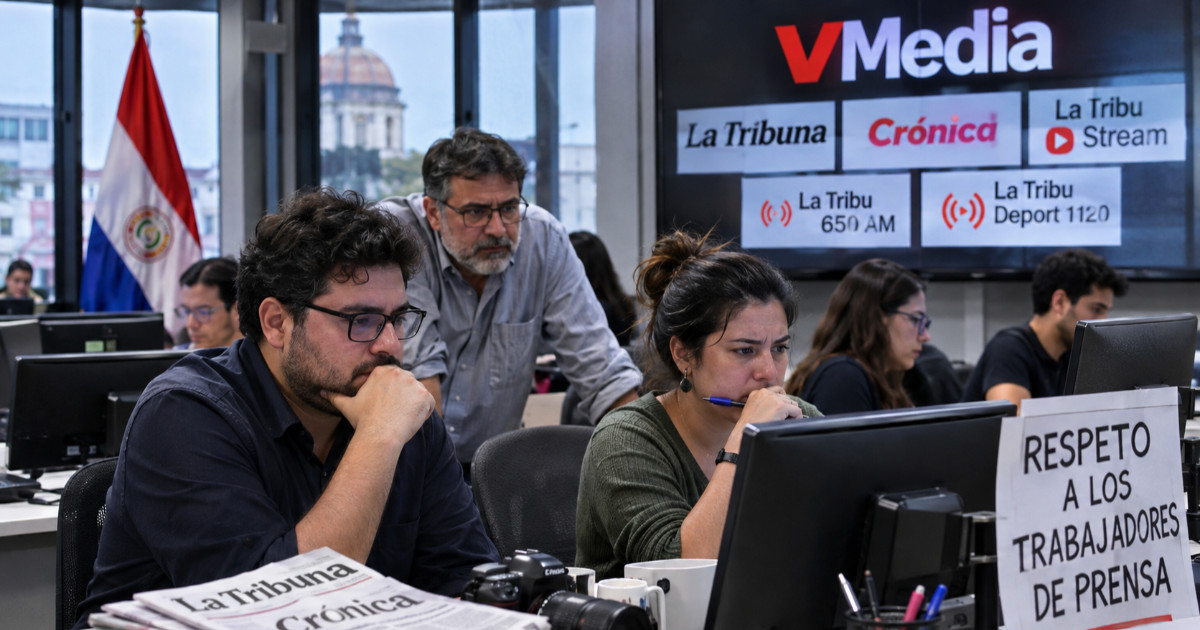
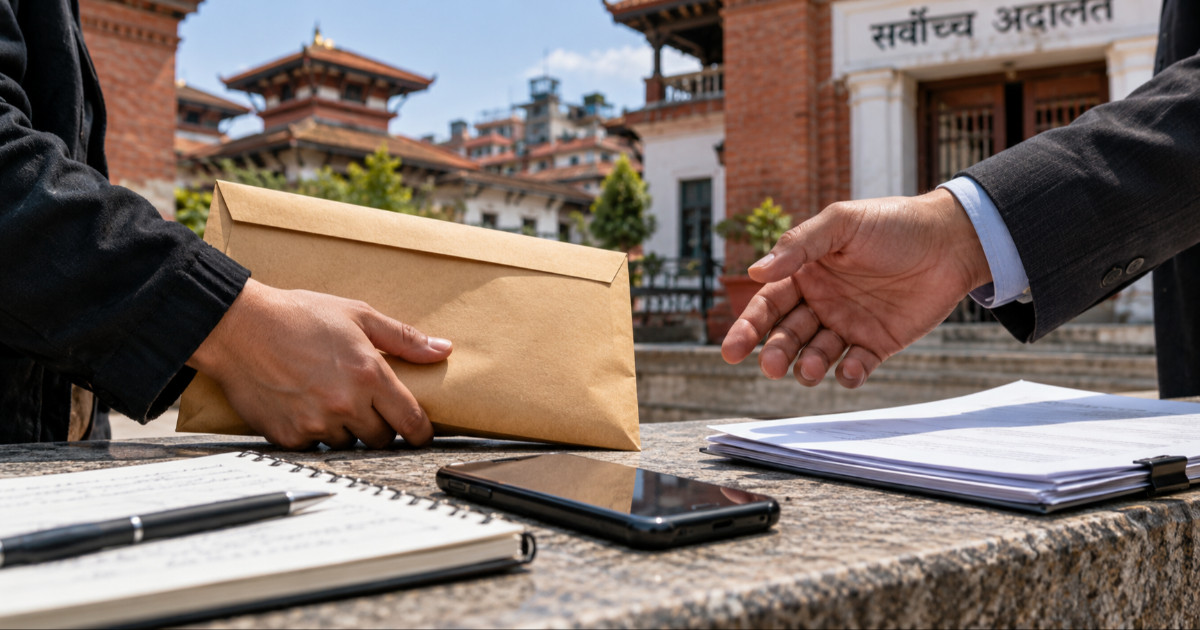
PHOTO: Across Asia, journalists face increasing legal pressure through cybercrime laws, criminal defamation provisions and national security measures. (Illustrative photo by succo from Pixabay)
Key Points
- Legal and administrative measures across Asia are being used to pressure independent newsrooms.
- Common tools include criminal defamation, cybercrime investigations and national security prosecutions.
- Regulatory actions, costly lawsuits and police summonses can create a chilling effect without physical violence.
- Speakers at the Chiang Mai conference highlighted challenges faced by journalists in Bangladesh, Afghanistan and elsewhere.
- RSF's 2026 World Press Freedom Index identifies legal attacks and judicial harassment as major threats to press freedom.
Key Questions & Answers
What kinds of legal pressures do journalists in Asia face?
Journalists face criminal defamation cases, cybercrime investigations, national security prosecutions, regulatory restrictions, costly civil suits and administrative harassment like licence threats or police summonses.
Did the Chiang Mai conference address these issues?
Yes. Media leaders at the Konrad-Adenauer-Stiftung Media Programme Asia event in Chiang Mai warned about the growing use of legal measures to limit independent reporting.
Are these laws always used legitimately?
Not always. While some laws aim to protect public order or security, speakers and watchdogs warned they are increasingly used to discourage critical or independent journalism, creating a chilling effect.
Which organisations are documenting this trend?
Reporters Without Borders (RSF), regional press freedom groups and academic and media networks monitor and report on legal harassment and its impact on journalism.
Relevant Topics
Ask AI: Understand this story your way
AI EnabledDig deeper, ask anything — get instant context, background, and clarity.
Disclaimer: This feature is powered by AI and is intended to help readers explore and understand news stories more easily. While we strive for accuracy, AI-generated responses may occasionally be incomplete or reflect limitations in the underlying model. This feature does not represent the editorial views of JournalismPakistan. For our full, verified reporting, please refer to the original article.