
Ethiopia blocks Reuters coverage at African Union summit
JournalismPakistan.com | Published: 14 February 2026 | JP Global Monitoring
Join our WhatsApp channel
Ethiopian authorities denied renewal of accreditation for three Reuters journalists and revoked Reuters' AU summit credentials after a Reuters probe alleging a secret camp linked to Sudan's RSF; the Media Authority gave no official explanation.Summary
NAIROBI — The Ethiopian Media Authority declined to renew the accreditation for three Reuters journalists based in Addis Ababa and revoked the news agency’s credentials to cover the 39th African Union summit, officials and the news agency said.
The decision comes amid heightened scrutiny of foreign reporting after the agency published an investigative report alleging Ethiopia hosted a secret training camp for fighters linked to Sudan’s Rapid Support Forces.
The move effectively bars the journalists from reporting on one of Africa’s major diplomatic gatherings, underscoring growing tensions between the Ethiopian government and international news organizations. While the authority has not issued an official explanation, it has informally linked its decision to the Feb. 10 Reuters report, which Addis Ababa has not publicly addressed.
Press freedom curbed in Ethiopia
The Ethiopian Media Authority’s refusal to renew accreditation and revocation of summit coverage rights signal a tightening media environment for foreign correspondents in the Horn of Africa. Reuters said it was reviewing the situation but reaffirmed its commitment to independent, impartial reporting in line with its editorial standards.
Accreditation for foreign media correspondents in Ethiopia is required annually, and the EMA has broad authority to issue, renew, or revoke credentials under national media laws, actions that media watchdogs have previously criticized for lack of transparency.
Impact on international reporting
The decision comes at a time when coverage of regional security dynamics, including Ethiopia’s alleged involvement in neighboring Sudan’s conflict, is of intense global interest. By restricting Reuters’s access at a high‑profile summit convened in its capital, Addis Ababa, Ethiopia may be seeking to manage narratives around its foreign and security policies during regional diplomatic engagements.
Foreign media organizations will likely watch closely whether Addis Ababa extends similar restrictions to other outlets, with implications for press operations across East Africa. Journalists based in Ethiopia have faced periodic warnings and accreditation challenges in recent years, highlighting ongoing concerns about media freedom in the country.
WHY THIS MATTERS: For Pakistani media professionals, the Ethiopian crackdown illustrates risks foreign correspondents face when reporting on sensitive security and political issues. It highlights the importance of understanding local accreditation processes and potential government pressures that can restrict international news coverage. This trend underscores the need for robust editorial risk assessments in environments where press freedom may be constrained.
ATTRIBUTION: Reporting based on Reuters and corroborating news coverage on Ethiopia’s revocation of Reuters journalists’ accreditation at the African Union summit.
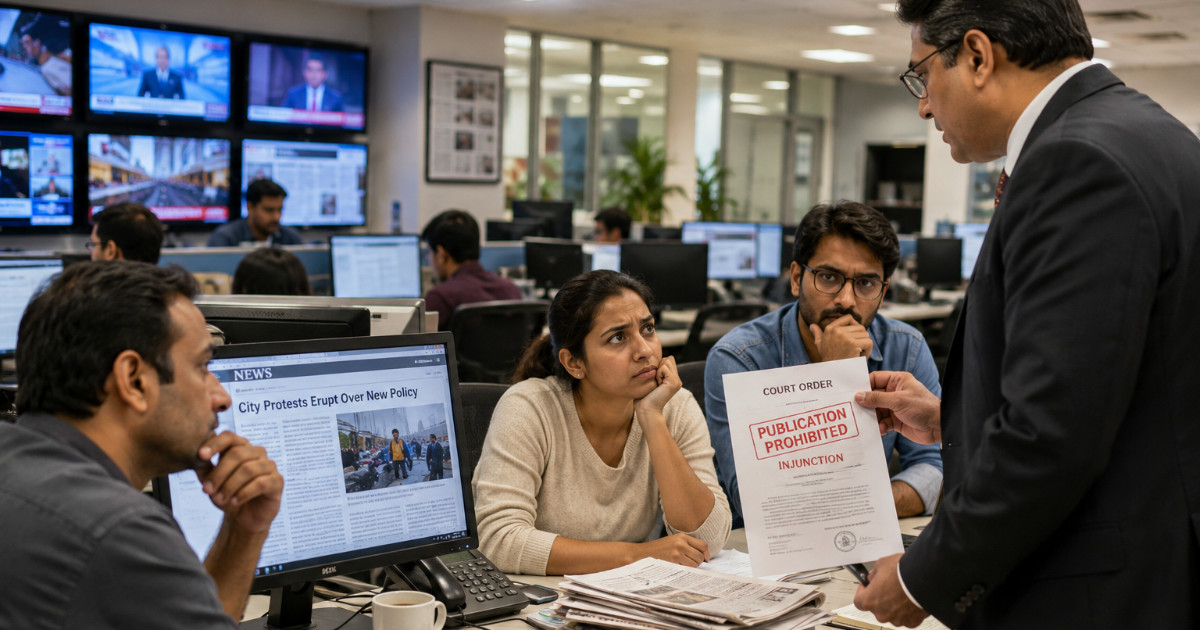
PHOTO: AI-generated; for illustrative purposes only.
Key Points
- Ethiopian Media Authority denied renewal of accreditation for three Reuters journalists and revoked Reuters' credentials for the AU summit.
- The decision was informally linked to a Reuters investigative report alleging Ethiopia hosted a secret training camp tied to Sudan's RSF.
- The EMA has not issued an official explanation, and Reuters said it is reviewing the decision.
- Accreditation for foreign correspondents is required annually, and the EMA has broad authority under national media laws.
- The move underscores a tightening media environment in Ethiopia and could limit international coverage of regional security issues.
Relevant Topics
Ask AI: Understand this story your way
AI EnabledDig deeper, ask anything — get instant context, background, and clarity.
Disclaimer: This feature is powered by AI and is intended to help readers explore and understand news stories more easily. While we strive for accuracy, AI-generated responses may occasionally be incomplete or reflect limitations in the underlying model. This feature does not represent the editorial views of JournalismPakistan. For our full, verified reporting, please refer to the original article.