
Egyptian media rights report shows widening press restrictions
JournalismPakistan.com | Published: 17 February 2026 | JP Global Monitoring
Join our WhatsApp channel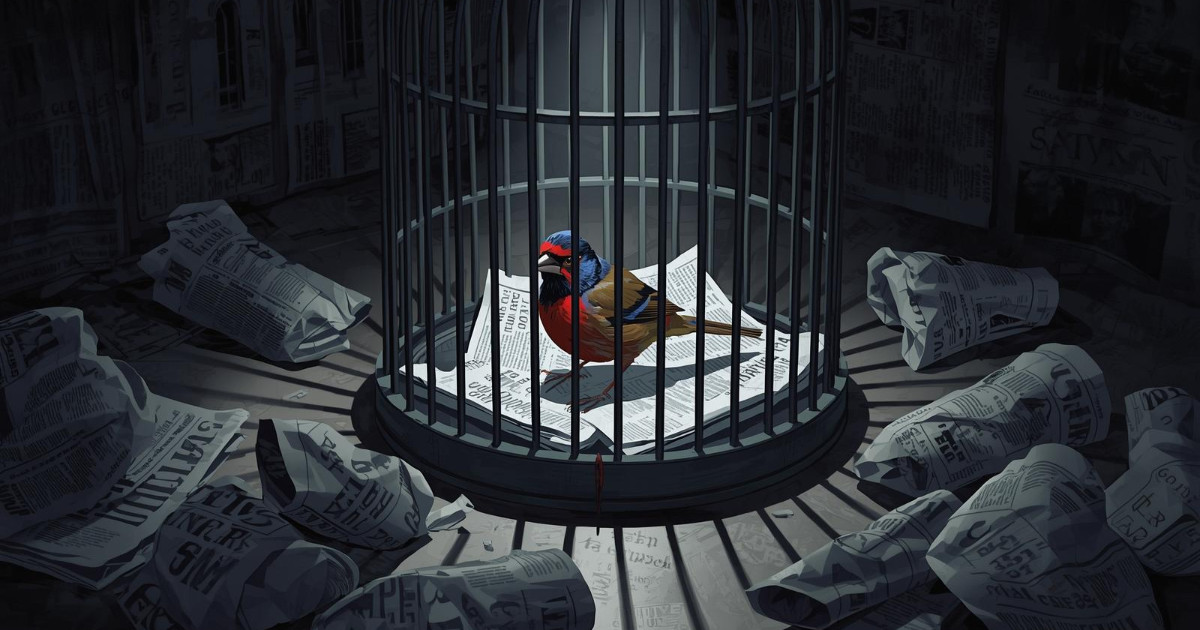
The Egyptian Commission for Rights and Freedoms bulletin documents expanding press restrictions under the Media Regulation and Supreme Media Council Law (No. 180/2018), detailing powers to block websites, suspend broadcasts and levy fines. It records multiple enforcement actions in March 2025 and notes renewed detentions of journalists.Summary
CAIRO — A new Press and Opinion Freedom Observatory Bulletin released by the Egyptian Commission for Rights and Freedoms documents deepening violations of press and media freedoms in Egypt, highlighting how restrictive laws and enforcement practices undermine constitutional guarantees and tighten control over independent journalism.
The outlines systemic curbs under the Media Regulation and Supreme Media Council Law (Law No. 180 of 2018) and other statutes that empower authorities to censor, detain, and penalize media professionals and outlets.
The commission’s findings show that, despite constitutional protections for press freedom, Egyptian laws grant the Supreme Media Council and other state bodies wide authority to block websites, suspend broadcasts, and levy fines against media entities. These limitations, the report asserts, erode basic rights and sustain state influence over both traditional and digital news channels.
Press freedom violations in Egypt are rising
The Media Regulation Law requires licensing for websites and gives the Supreme Media Council the authority to block or remove content it deems in violation of regulatory standards, powers critics say conflict with constitutional provisions that prohibit censorship and suspension of media except under narrow wartime exceptions.
The report catalogues numerous enforcement actions throughout March 2025, including fines and suspensions imposed on Egyptian sports and entertainment broadcasters for alleged regulatory breaches, as well as cases where journalists face renewed detention or legal action under broad charges.
Judicial and administrative pressure on journalists
In addition to regulatory penalties, the bulletin details judicial practices that extend pretrial detention for journalists and media workers by repeatedly charging them in new cases while they remain incarcerated, a tactic that undermines legal safeguards on detention duration.
The commission also notes ongoing civil actions seeking cancellation of media licenses and targeting channels on vague grounds like incitement or doctrinal nonconformity, underscoring how legal mechanisms can be used to challenge media outlets’ operations beyond the regulatory council’s direct oversight.
WHY THIS MATTERS: For Pakistani journalists and media organizations, the Egyptian case underscores how broadly framed media laws and regulatory discretion can be used to restrict journalism and digital media expression despite constitutional guarantees. It highlights the importance of vigilant legal safeguards, clear licensing criteria, and mechanisms to protect journalists from arbitrary detention, lessons relevant for media freedom debates in Pakistan’s evolving regulatory environment.
ATTRIBUTION: Reporting based on the Egyptian Commission for Rights and Freedoms Press and Opinion Freedom Observatory Bulletin (Egyptian Commission for Rights and Freedoms).
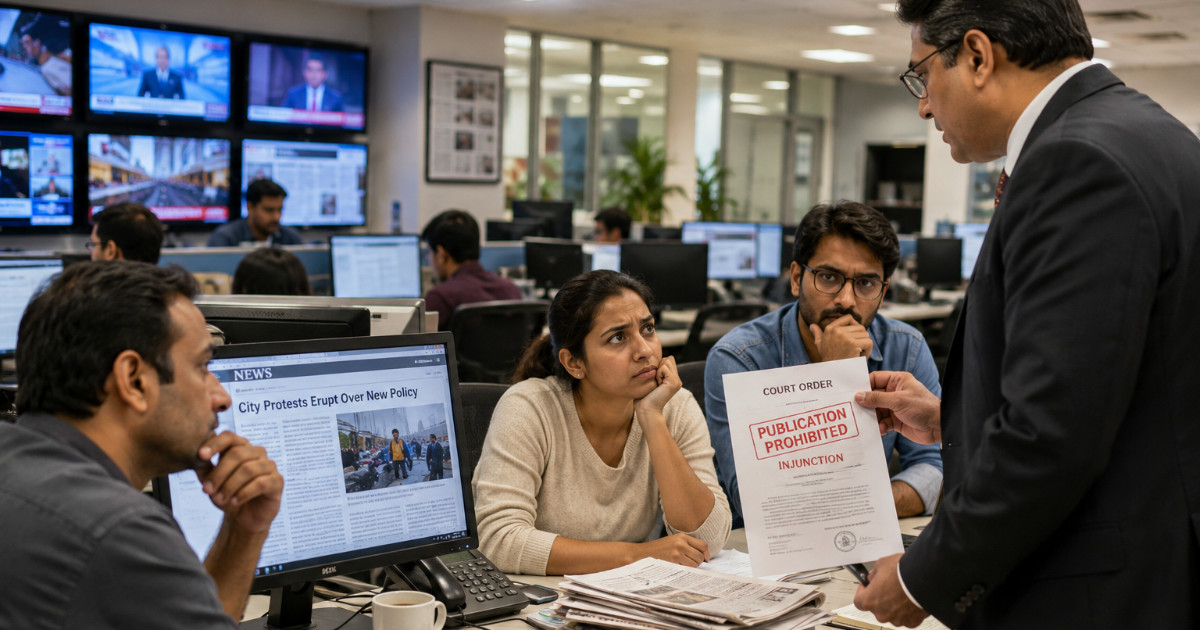
PHOTO: AI-generated; for illustrative purposes only.
Key Points
- Report details legal framework including Law No. 180 of 2018 that expands regulation of media and requires website licensing.
- Supreme Media Council powers include blocking websites, suspending broadcasts and imposing financial penalties.
- The bulletin records multiple enforcement actions in March 2025 against broadcasters and cases of renewed detention of journalists.
- Censorship and regulatory enforcement are described as undermining constitutional guarantees for press freedom.
- The report warns these measures tighten state control over traditional and digital news outlets, affecting independent journalism.
Key Questions & Answers
What does the report allege?
It alleges widening legal and enforcement measures that restrict media freedom, including censorship, website blocks, detentions and fines.
Which law is central to the findings?
The Media Regulation and Supreme Media Council Law (No. 180 of 2018) is cited as expanding regulatory powers over media and websites.
When were the enforcement actions documented?
The bulletin catalogs numerous enforcement actions during March 2025, including fines, suspensions and legal actions against journalists.
What impact does the commission say these measures have?
The commission says they erode constitutional press protections and increase state control over both traditional and digital media, harming independent journalism.
Relevant Topics
Ask AI: Understand this story your way
AI EnabledDig deeper, ask anything — get instant context, background, and clarity.
Disclaimer: This feature is powered by AI and is intended to help readers explore and understand news stories more easily. While we strive for accuracy, AI-generated responses may occasionally be incomplete or reflect limitations in the underlying model. This feature does not represent the editorial views of JournalismPakistan. For our full, verified reporting, please refer to the original article.