
Bangladesh army detains journalists over protest coverage
JournalismPakistan.com | Published: 8 February 2026 | JP Asia Desk
Join our WhatsApp channel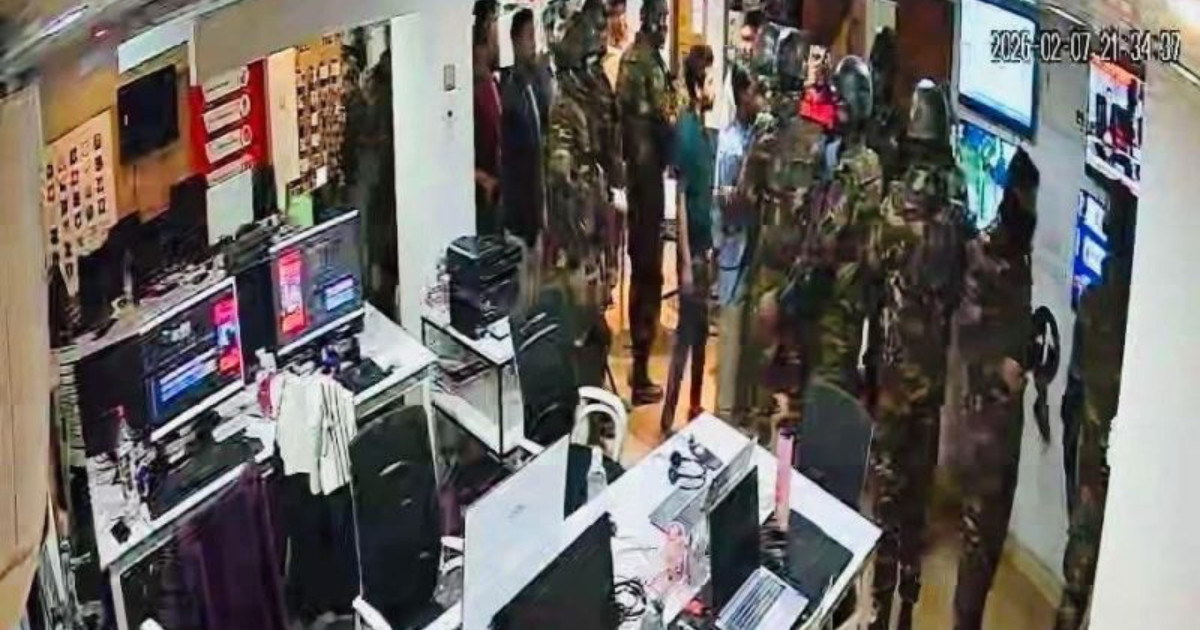
Bangladesh Army personnel entered the Dhaka office of online outlet Bangladesh Times and detained 21 staff, later released after questioning at Uttara Army Camp. Press groups say the incident undermines media freedom ahead of elections.Summary
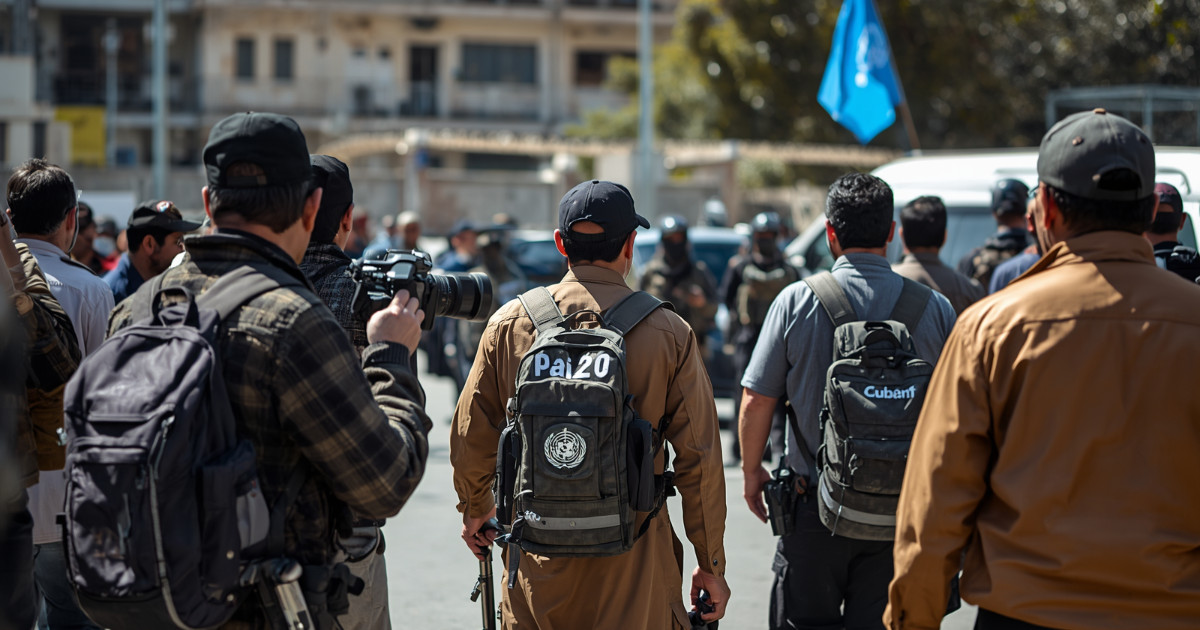
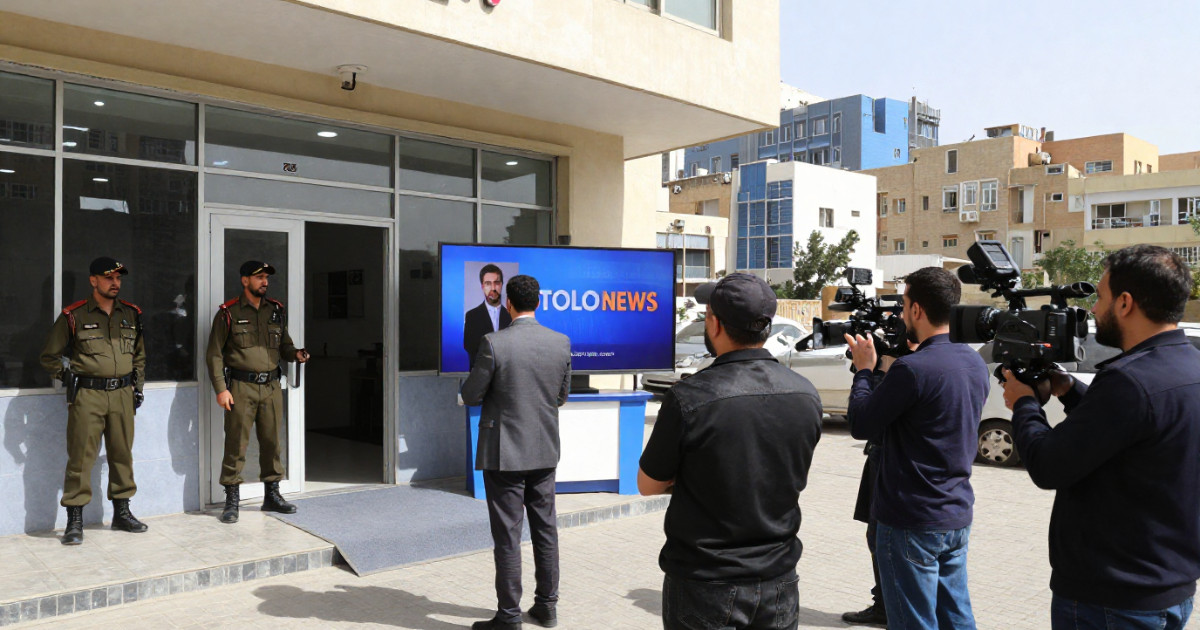
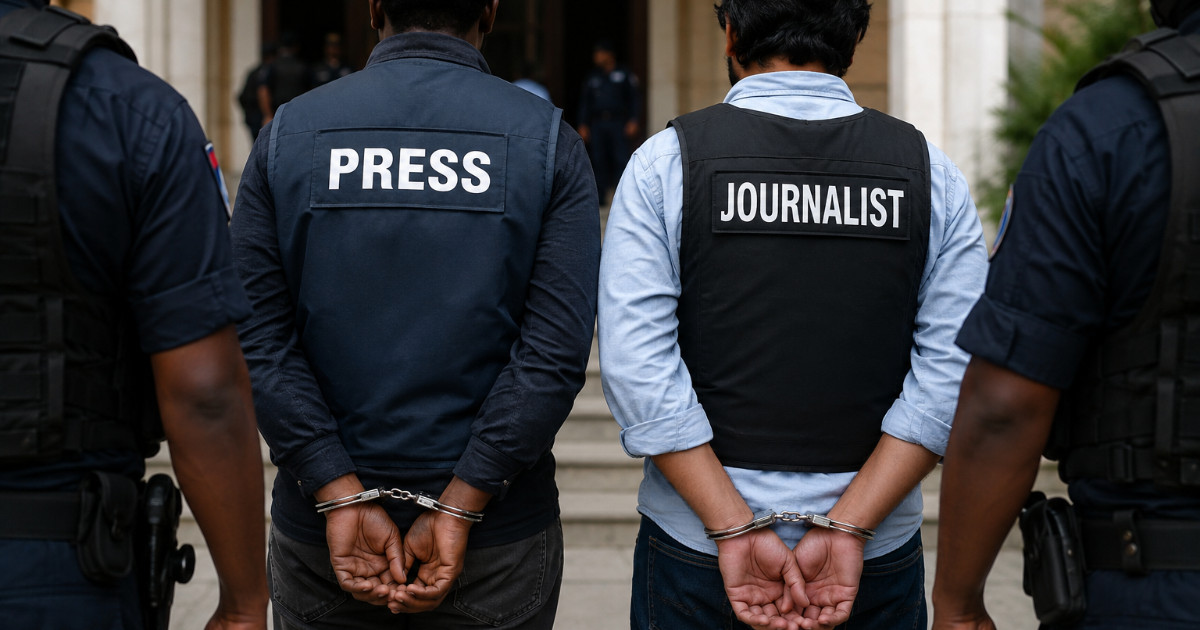
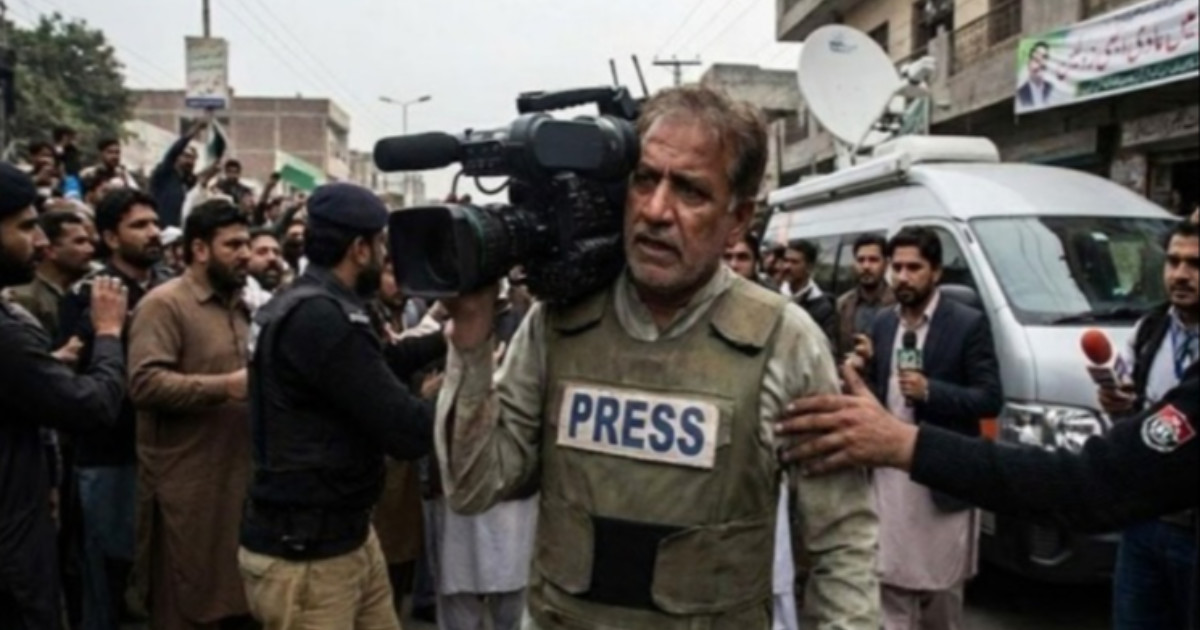
DHAKA — On the night of February 8, 2026, Bangladesh Army personnel entered the Dhaka office of online news outlet Bangladesh Times and detained 21 staff members, including reporters, security guards, and office assistants.
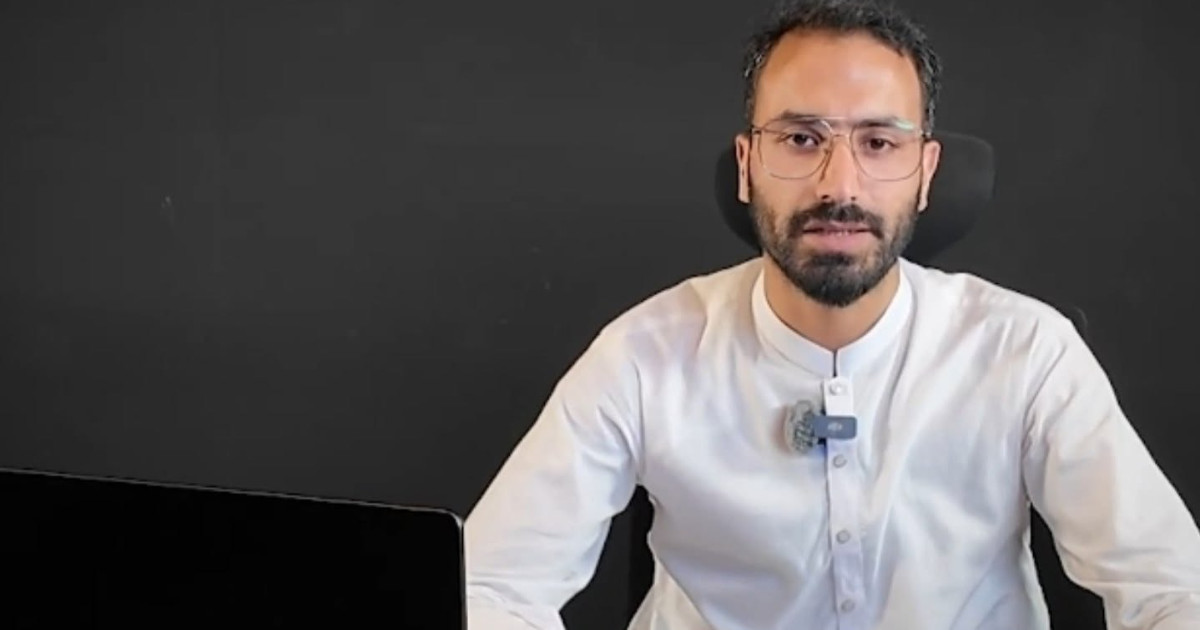
The journalists were taken to Uttara Army Camp for questioning and released later that night. Mobile Journalism Editor-in-Chief Sabbir Ahmed said the action followed a WhatsApp message from someone claiming to be from the army, objecting to a video the outlet had published showing a protest in which an individual criticized the military.
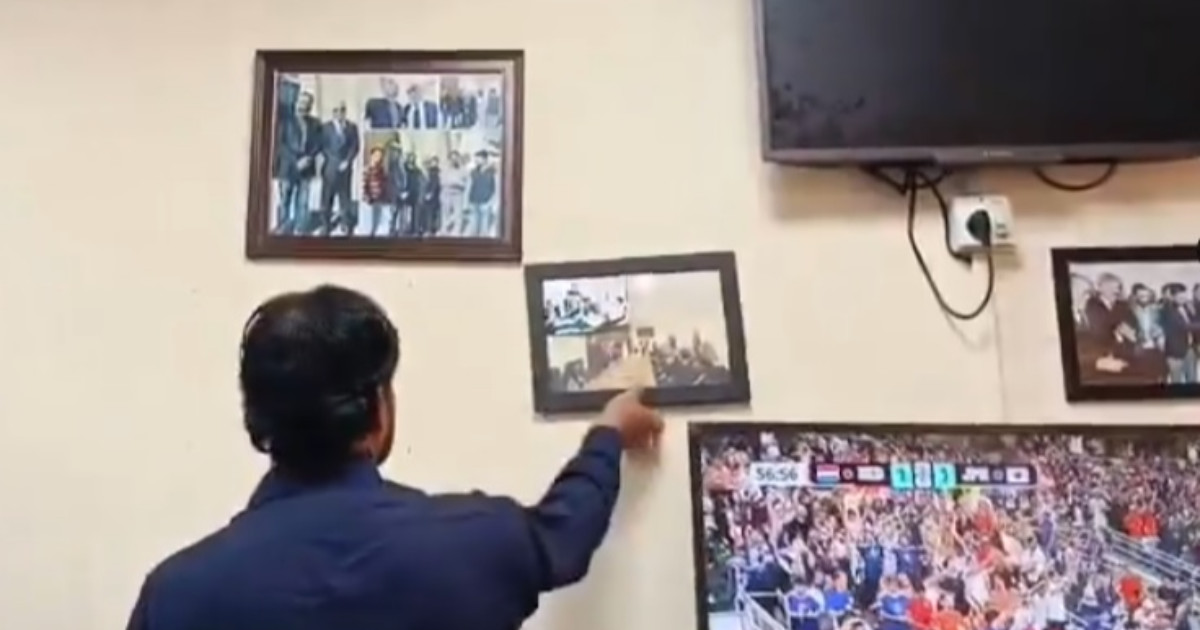
The detentions were partially documented through a live video posted on the Bangladesh Times’ Facebook page, showing staff members outside the army camp before their release around 11:30 pm. Bangladesh Army’s Inter-Services Public Relations directorate described the gathering as a discussion over a “rumor” but did not provide further details. Bangladesh Times’ management condemned the detentions as unjustified and an attack on independent journalism ahead of national elections.
Press freedom concerns escalate in Bangladesh
Journalists and press freedom advocates have interpreted the incident as intimidation and interference in editorial decisions rather than a routine security inquiry. The timing of the detentions, amid heightened political tensions and upcoming elections, has amplified concerns over the state of media freedom in Bangladesh. Several press freedom groups have warned of risks to independent reporting and urged authorities to respect journalistic autonomy.
BJIM issues statement condemning intimidation
The Bangladeshi Journalists in International Media (BJIM) network condemned the detentions as coercion and interference with editorial work. BJIM called on authorities to clarify the reasons for questioning the journalists, ensure their safety, and guarantee that media outlets are not pressured to alter reporting. The statement was posted on BJIM’s LinkedIn page and widely circulated in media circles.
Government messaging on journalistic freedom
Officials have emphasized the importance of “responsible journalism,” asserting that journalists have the freedom to report while urging accuracy and caution. This official stance reflects an ongoing tension between state messaging and independent media reporting, particularly as political activity intensifies ahead of elections.
WHY THIS MATTERS: Pakistani journalists and media organizations can learn from this incident the risks of editorial interference in politically sensitive contexts. Newsrooms may need to strengthen protocols for digital communications, staff safety, and crisis management while monitoring evolving government-media relations.
ATTRIBUTION: Reporting based on Bangladesh Times coverage and BJIM LinkedIn statement.
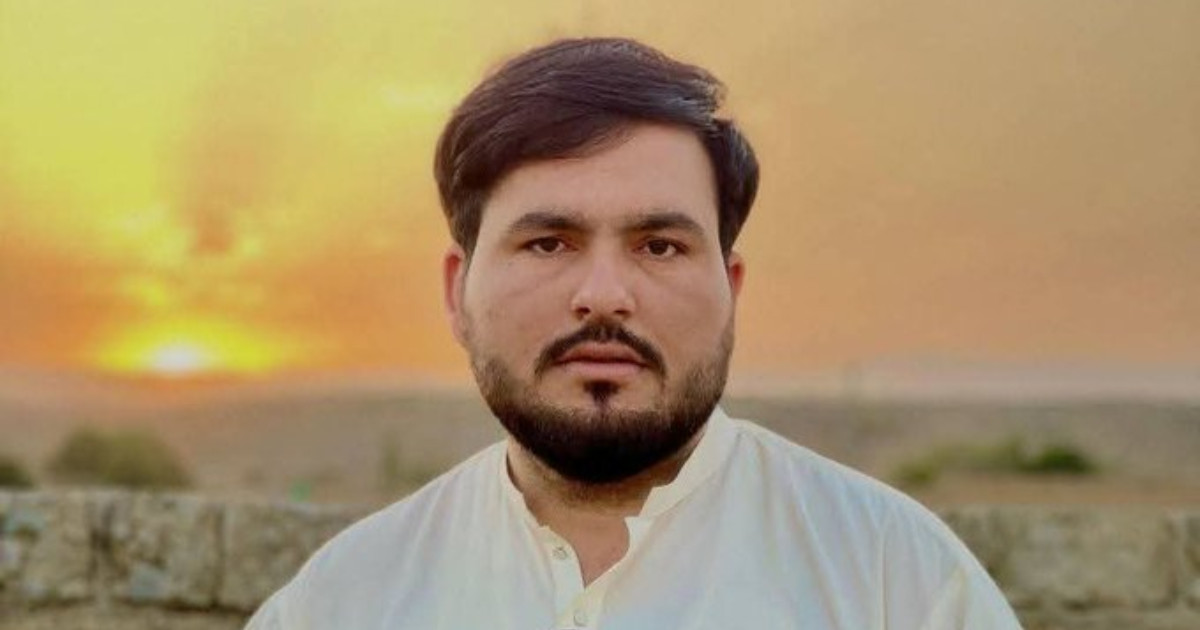
PHOTO: Redwan Ahmed via LinkedIn
Key Points
- Army personnel entered the Dhaka office of online outlet Bangladesh Times and detained 21 staff, including reporters, guards and assistants.
- The staff were taken to Uttara Army Camp for questioning and released later, with parts of the event documented on a live Facebook video.
- The action followed a WhatsApp message objecting to a published video of a protest in which an individual criticized the military.
- Bangladesh Army said it was a discussion over a "rumor," while the outlet condemned the detentions as an attack on independent journalism.
- Press freedom groups warned the incident risks intimidation and interference in editorial decisions amid heightened election tensions.
Relevant Topics
Ask AI: Understand this story your way
AI EnabledDig deeper, ask anything — get instant context, background, and clarity.
Disclaimer: This feature is powered by AI and is intended to help readers explore and understand news stories more easily. While we strive for accuracy, AI-generated responses may occasionally be incomplete or reflect limitations in the underlying model. This feature does not represent the editorial views of JournalismPakistan. For our full, verified reporting, please refer to the original article.