
Afghan journalists stranded and at risk in Pakistan, Iran
JournalismPakistan.com | Published: 20 February 2026 | JP Asia Desk
Join our WhatsApp channel
A media support group warns Afghan journalists stranded in Pakistan and Iran face deteriorating conditions, legal uncertainty and strain as humanitarian visa processing is delayed. Detention and deportation risks persist while relocation options remain limited.Summary
KABUL — Afghan journalists stranded in Pakistan and Iran face deteriorating conditions while awaiting humanitarian visas, warns a media support group. Many who fled Taliban persecution now confront legal uncertainty, psychological strain, and risks of detention or deportation as relocation delays persist.
Media support group highlights worsening crisis
In a statement shared with local outlets, the Afghanistan Media Support Organization (AMSO) said the absence of a clear timeline for processing humanitarian visas is harming the well‑being of Afghan journalists living in neighboring Pakistan and Iran. Many left Afghanistan since the Taliban takeover due to credible threats to their safety and now struggle with insecure legal status and livelihoods.
Uncertain legal status fuels stress and detention risk
Prolonged administrative delays, the group said, are eroding both the psychological and physical health of these journalists. AMSO also reported that in early February, several Afghan journalists were briefly detained by Pakistani police, underscoring the precarious situation for media workers in exile.
Limited relocation options compound challenges
While some international visa programs have sought to resettle at‑risk Afghans, advocates say options remain insufficient and slow. Exiled journalists often lack access to stable employment and face potential deportation if visas are not extended, making it difficult to continue their professional work or plan futures outside Afghanistan.
Background of media clampdown under the Taliban
The challenges faced by these journalists are rooted in the broader erosion of press freedom in Afghanistan since the Taliban returned to power in 2021. Independent media inside the country have confronted censorship, arbitrary detention, and other forms of repression, prompting many reporters to seek refuge abroad.
WHY THIS MATTERS: For Pakistani journalists and media organizations, the plight of Afghan colleagues abroad underscores the fragility of press freedom in contexts of displacement and legal limbo. It highlights the importance of regional cooperation on protection for journalists and the need for clear humanitarian pathways that preserve media voices at risk.
ATTRIBUTION: Reporting as cited in SocialNews. XYZ; background on press freedom trends from international sources.
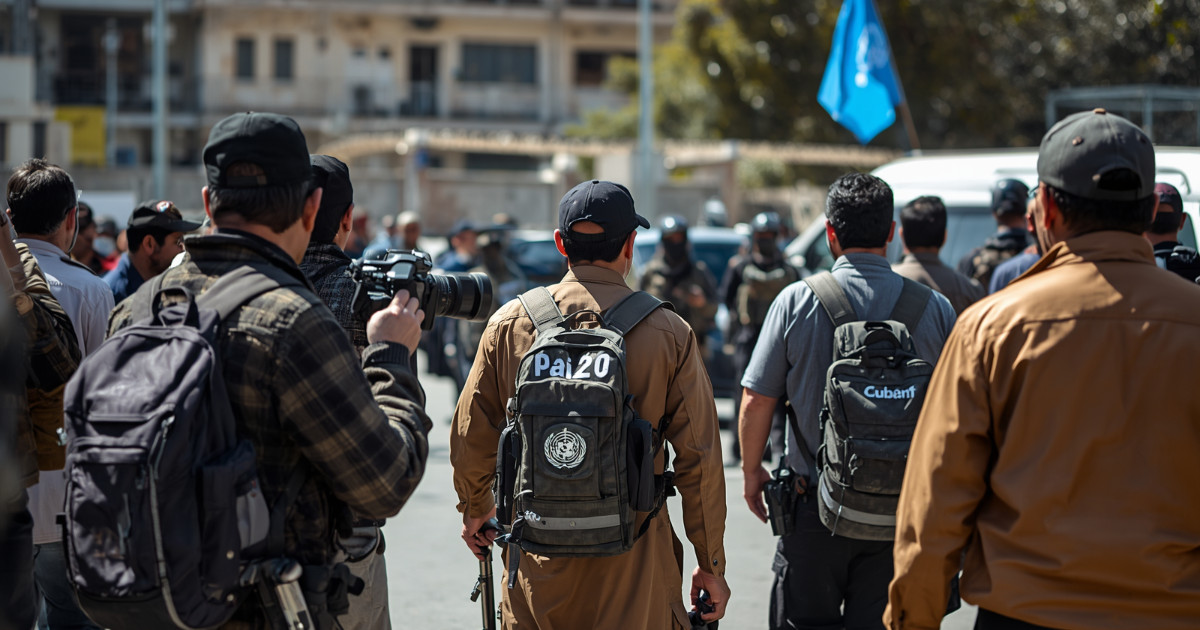
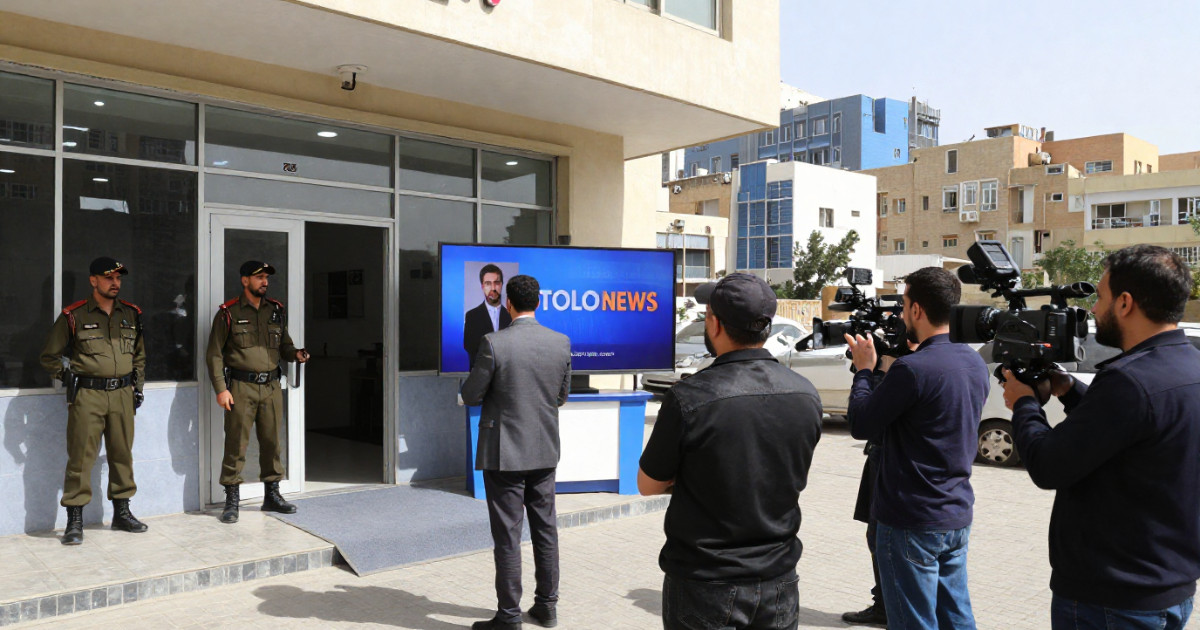
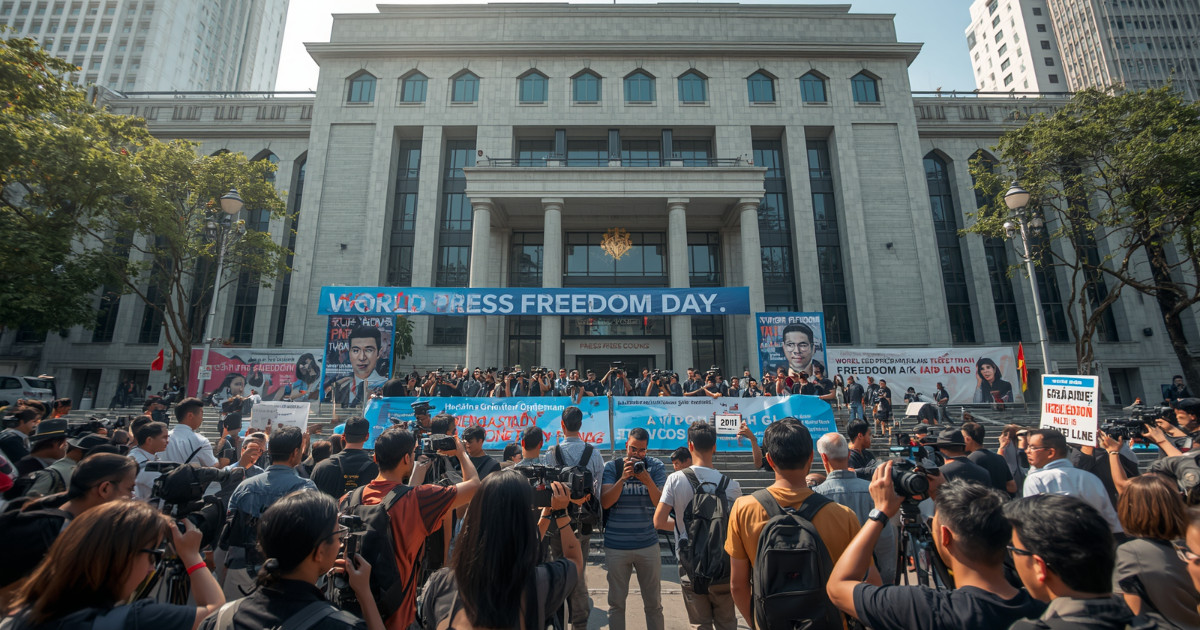
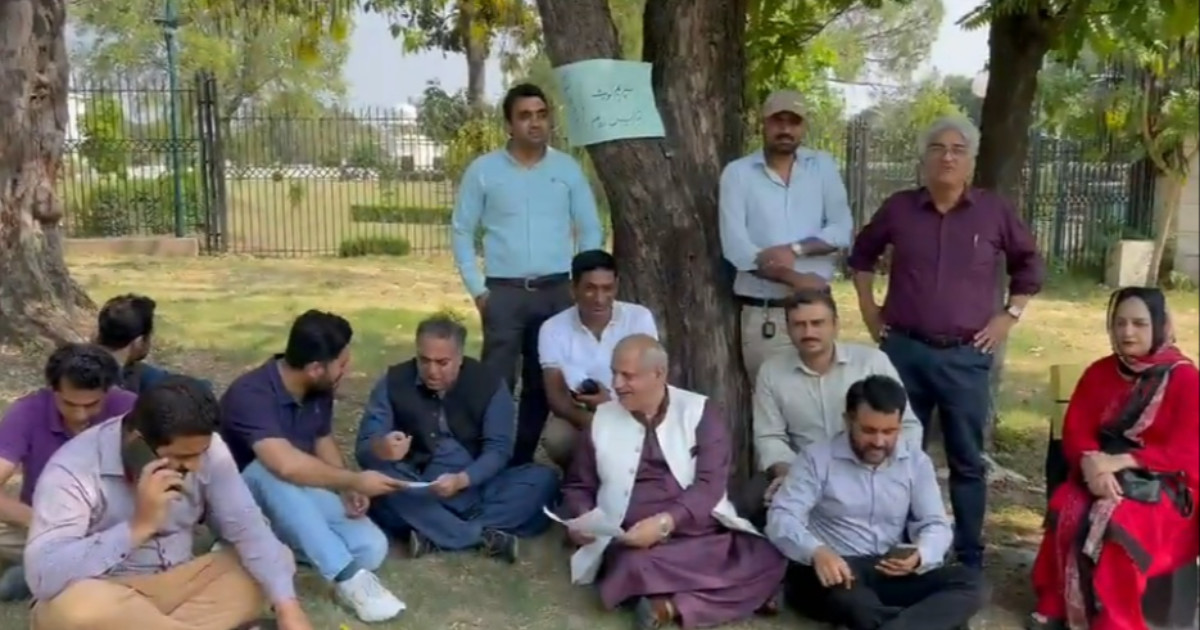
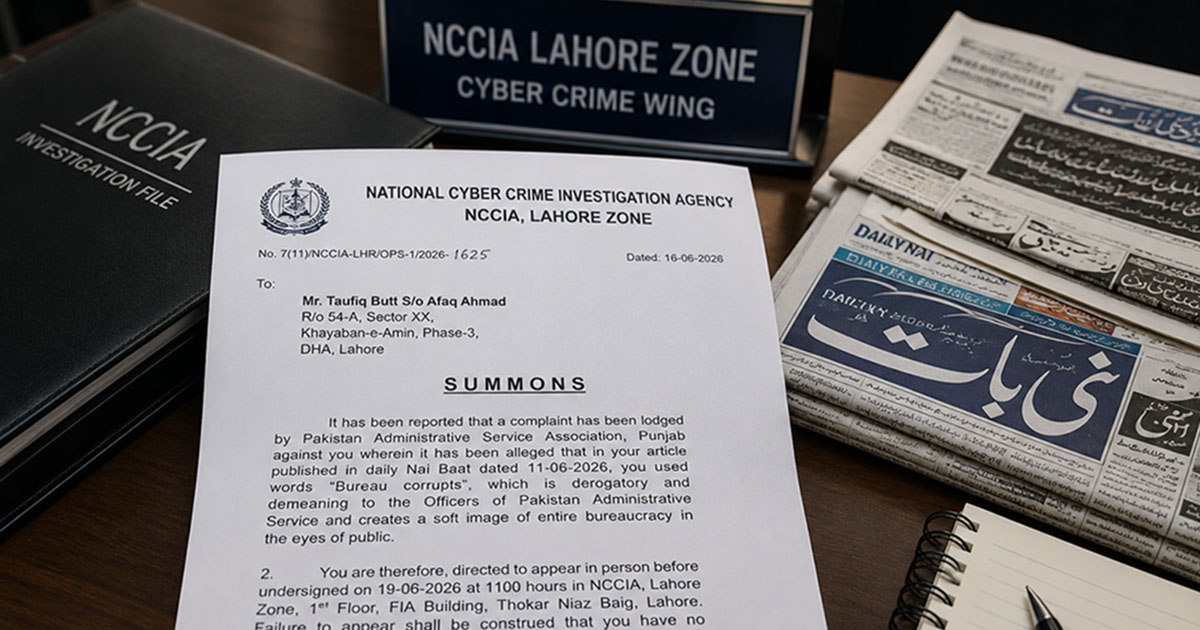
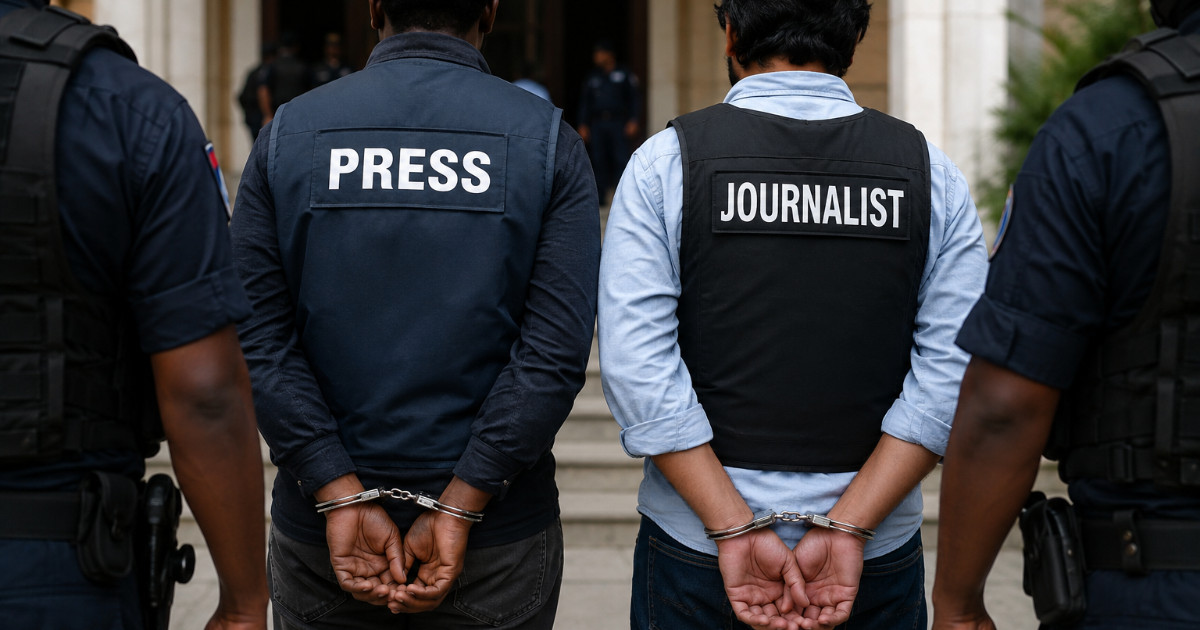
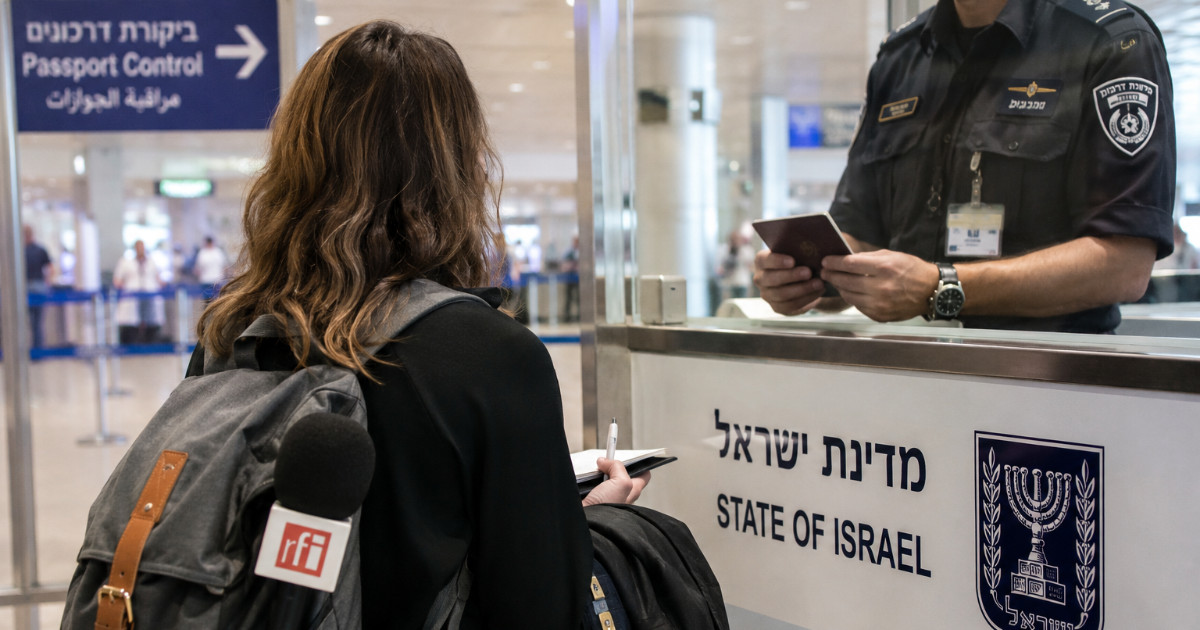
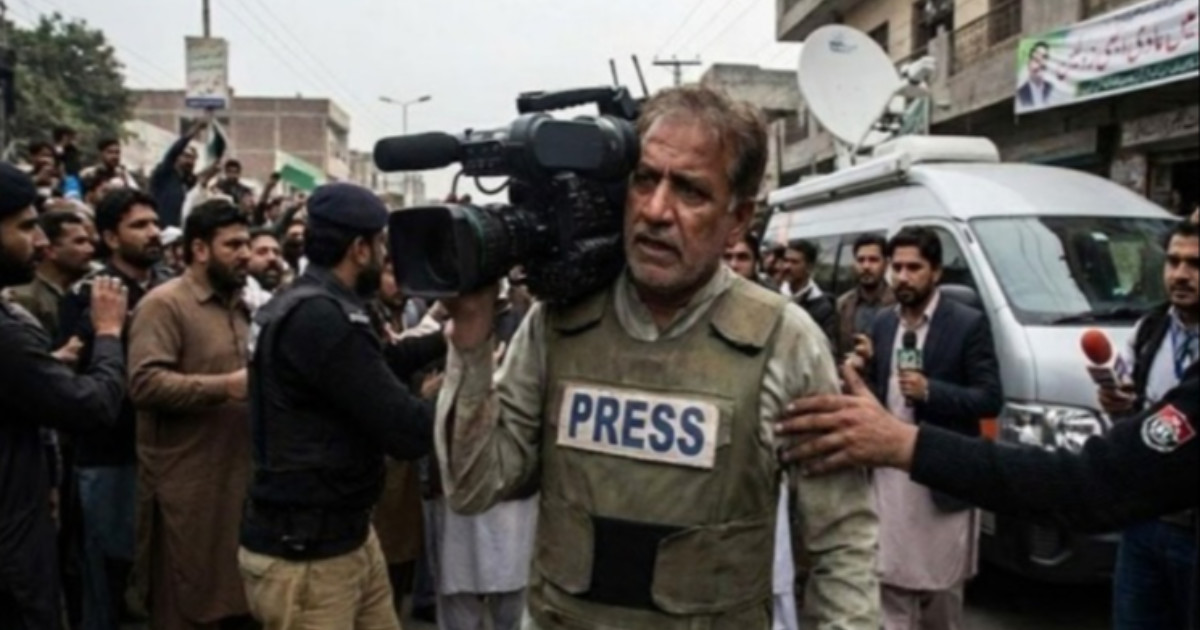
PHOTO: AI‑generated; for illustrative purposes only.
Key Points
- AMSO warns prolonged visa delays are harming the well‑being of exiled Afghan journalists.
- Many fled Taliban persecution and now face insecure legal status and unstable livelihoods.
- Reports say several journalists were briefly detained by Pakistani police in early February.
- International relocation programs are limited and slow, constraining resettlement options.
- Ongoing risks include deportation, detention and barriers to continuing professional work.
Key Questions & Answers
Why are Afghan journalists stranded in Pakistan and Iran?
Many fled Afghanistan after the Taliban takeover due to credible threats to their safety; they remain in neighboring countries while awaiting humanitarian visas or resettlement.
Who raised concerns about their situation?
The Afghanistan Media Support Organization (AMSO) issued a statement warning that visa processing delays are worsening conditions for exiled journalists.
What immediate risks do these journalists face?
They face legal uncertainty, psychological strain, and increased risk of detention or deportation if visas lapse or are not extended.
Are there relocation or resettlement options available?
Some international programs exist, but advocates say options remain insufficient and slow, leaving many without stable employment or long‑term security.
Relevant Topics
Ask AI: Understand this story your way
AI EnabledDig deeper, ask anything — get instant context, background, and clarity.
Disclaimer: This feature is powered by AI and is intended to help readers explore and understand news stories more easily. While we strive for accuracy, AI-generated responses may occasionally be incomplete or reflect limitations in the underlying model. This feature does not represent the editorial views of JournalismPakistan. For our full, verified reporting, please refer to the original article.