
.png)
Who holds Pakistan's media regulators accountable?
JournalismPakistan.com | Published: 13 November 2026 | JP Special Report
Join our WhatsApp channel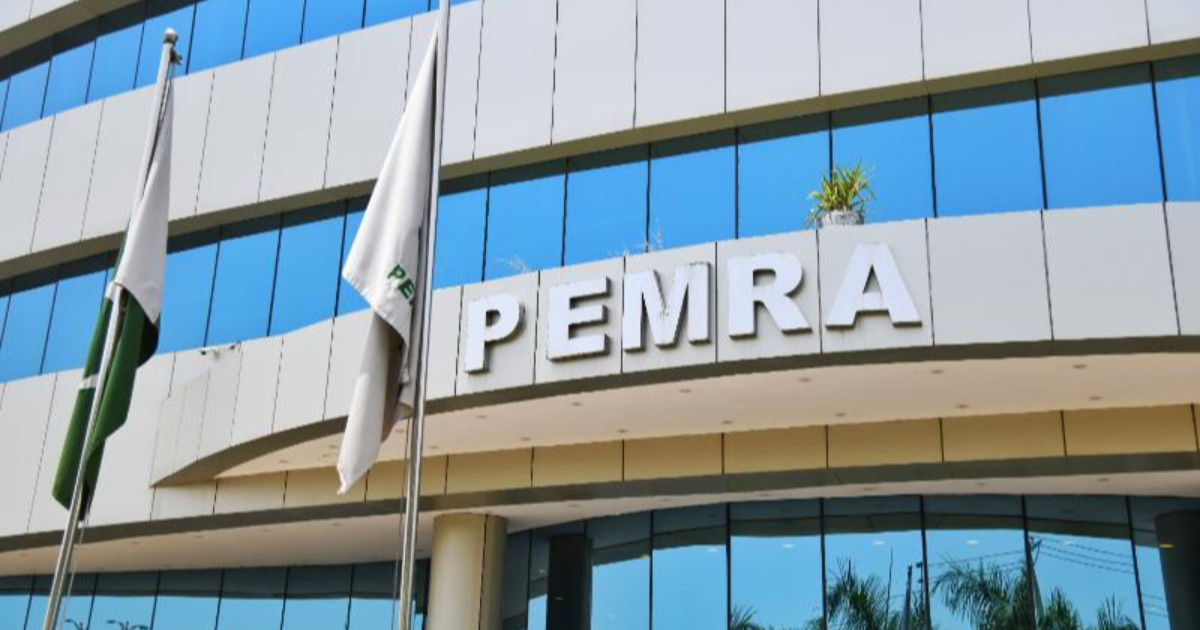
JournalismPakistan's review shows Pakistan's media regulators - PEMRA, PTA and NCCIA - hold authority over TV and online content. Courts, appeals and parliamentary oversight exist but are inconsistently applied, leaving gaps in transparency and timely redress.Summary
Pakistan's media regulators exercise considerable influence over television, digital communications and investigations into online activity. Courts, legal safeguards and parliamentary scrutiny provide some oversight, but a JournalismPakistan review of official records and its own reporting raises a larger question: how effectively can the public hold these powerful institutions accountable?
ISLAMABAD — When Pakistan's media regulators restrict broadcasts, order action against online content or summon journalists for questioning, their decisions can have immediate consequences. Newsrooms must respond, reporters may face investigations, and media organizations can find their editorial operations affected before legal challenges are resolved.
But who watches the regulators themselves? A JournalismPakistan examination of statutory provisions, publicly available regulatory records, and its reporting during 2026 reveals an accountability system involving courts, government institutions, appeal mechanisms, and parliamentary oversight. What remains less clear is how consistently those safeguards deliver transparency, timely remedies and public scrutiny.
Powers and accountability
The Pakistan Electronic Media Regulatory Authority (PEMRA), Pakistan Telecommunication Authority (PTA) and National Cyber Crime Investigation Agency (NCCIA) operate under different legal frameworks. PEMRA regulates private electronic media, PTA oversees telecommunications and exercises powers affecting online access, while NCCIA investigates offences under the Prevention of Electronic Crimes Act (PECA).
All three exercise powers capable of affecting journalism. However, they are not subject to identical oversight arrangements, and the existence of formal legal remedies does not establish how effectively those remedies operate.
PEMRA's governing law permits an aggrieved person to appeal decisions or orders of its chairperson or the authority to the relevant high court within 30 days. The 2023 amendments also require regulatory action to observe specified procedures, including an opportunity to respond before certain financial penalties are imposed.
What JournalismPakistan's reporting shows
On October 15, JournalismPakistan examined PEMRA's renewed restrictions on television coverage of explosions, shootings and terrorist attacks. The October 13 directive required broadcasters to use time-delay mechanisms, maintain independent editorial boards and carry information verified by relevant authorities.
These requirements reflect legitimate concerns about accuracy, public safety and irresponsible broadcasting. Nevertheless, JP's analysis identified unanswered operational questions, including the absence of a specified delay period and the implications of making news coverage dependent on official verification.
The accountability question extends beyond whether PEMRA can issue such instructions. It concerns whether broadcasters can seek timely clarification, challenge disproportionate restrictions, and obtain transparent explanations of enforcement decisions.
JournalismPakistan's October 12 Pakistan Media Monitor also documented proceedings challenging PEMRA chairperson Ambreen Jan's appointment. The Islamabad High Court had scheduled further arguments for November 25. The petition illustrates judicial scrutiny of the regulator's leadership, although no final ruling on the challenge had been reported at that stage.
What the regulators disclose
An important accountability requirement is already written into PEMRA's governing legislation. Section 17 requires the authority to prepare an annual report covering its operations and accounts, submit it to the president and arrange its publication and circulation to the media and public.
Yet a review of PEMRA's official Reports and Publications webpage on November 13 found that the latest annual report listed there covered 2021–2023 and was posted on August 8, 2024. Earlier reports covered multiple years rather than appearing as separate annual publications.
The listing does not establish whether subsequent reports have been prepared, submitted, or distributed through other channels. It does, however, leave a significant public-access question: where can citizens find a current account of the regulator's decisions, enforcement activity and financial operations?
PEMRA's website also provides complaint-related facilities and information about its Councils of Complaints. These mechanisms serve important functions, including handling complaints about broadcast content and certain employment grievances. They should not, however, be confused with independent review of every regulatory decision.
Transparency is not simply about publishing rules. It also involves explaining how those rules are applied, how many decisions are contested, and what happens when regulatory action is overturned or revised.
PTA and the right to challenge decisions
PTA operates under the Pakistan Telecommunication (Re-Organization) Act, 1996, which requires its decisions to be made openly, equitably, consistently, and transparently. The legislation also recognizes procedural protections for affected parties.
The Establishment of Telecommunication Appellate Tribunal Act, 2024, revised the appeals framework. It provides for appeals against PTA decisions to a specialized tribunal, ordinarily within 30 days, with a statutory period for deciding appeals.
This is an important distinction from PEMRA's High Court appeal provisions. The specialized framework is intended to address technical telecommunications disputes, including matters arising under PECA.
PTA has published annual reports, including its 2024–2025 report, detailing telecommunications performance and regulatory activity. Such reporting offers a measure of institutional transparency.
Yet figures about subscribers, investment and network expansion do not, by themselves, explain the consequences of decisions affecting public access to information. For journalists and digital publishers, equally important questions concern the legal basis of restrictions, opportunities to challenge them and the disclosure of their outcomes.
NCCIA and investigative oversight
NCCIA presents a different challenge because it investigates suspected criminal offences rather than regulating broadcasting licences.
Under the 2025 PECA amendments, it became the designated agency for inquiries, investigations and prosecutions under the legislation. Its official website provides procedures for reporting cybercrime, including an online complaint facility, reporting centres and information about required documentation.
These facilities establish how members of the public can approach the agency about alleged cybercrime. They do not necessarily explain how a journalist can obtain independent scrutiny of an investigator's conduct or the handling of confidential reporting material.
On October 5, JournalismPakistan reported that NCCIA had activated cyber-patrolling units nationwide to counter what the agency described as fake news and anti-state propaganda. The announcement did not disclose detailed operational standards defining those expressions or explaining the safeguards governing monitoring.
A week later, JP reported journalist Alifya Sohail's objections to an NCCIA summons requiring her to appear with relevant digital devices. The notice examined in that report did not identify specific social media posts or a complainant. The reporting did not establish wrongdoing by investigators, but it raised questions about investigative clarity and the protection of journalistic material.
JournalismPakistan's November 6 special report on PECA proceedings against three Quetta journalists further examined judicial protections and the possibility that legal investigations themselves can become a source of professional pressure.
Those cases cannot establish that every NCCIA investigation is improper. They demonstrate why accessible judicial remedies, clear procedures and safeguards concerning electronic evidence matter.
Who ultimately holds regulators accountable?
The courts can examine disputed regulatory actions and provide legal remedies. Parliamentary committees can question officials and scrutinize institutional performance. Government ministries exercise varying degrees of administrative or policy responsibility, while statutory reporting obligations provide another means of public accountability.
These mechanisms are not interchangeable. Administrative supervision does not guarantee independent scrutiny, and a court challenge does not necessarily provide an immediate answer to the wider public about how regulatory powers are exercised.
There is also a distinction between financial accountability and accountability for decisions affecting fundamental rights. Audited accounts can establish how public money is managed without revealing whether a restriction on journalism was necessary, proportionate or consistently applied.
A meaningful public accountability record would therefore identify the number and nature of enforcement decisions, the legal provisions invoked, appeals filed, decisions revised or overturned, and complaints concerning regulatory conduct.
Such information could help distinguish legitimate enforcement from decisions that require correction, without assuming that every intervention constitutes an abuse of authority.
The test is accountability in practice
Pakistan's regulators have legitimate responsibilities. Broadcasting standards, consumer protection, telecommunications oversight and cybercrime investigations are necessary public functions. Journalists themselves may need the protection of cybercrime investigators when facing online harassment, impersonation or other unlawful activity.
The question is not whether these institutions should possess authority, but how that authority is explained, reviewed, and corrected when necessary.
JournalismPakistan's reporting during 2026 has documented expanding monitoring capabilities, disputed investigative procedures, broadcast restrictions, and court challenges. Examining official regulatory records adds another dimension: the public needs accessible information about the institutions exercising these powers.
Formal safeguards remain important, but they are only the beginning of accountability. Their effectiveness depends on whether affected journalists and media organizations can secure timely decisions, whether regulators disclose sufficient information about their actions, and whether mistakes lead to meaningful remedies.
The central question, therefore, is not simply who is legally empowered to watch Pakistan's media regulators. It is whether the oversight system lets the public see accountability in action.
ATTRIBUTION: A JournalismPakistan analysis based on its reporting published on October 5, 12, and 15, and on November 6, 2026; Pakistan Media Monitor, Edition 10; and a November 13 review of PEMRA and NCCIA public information. Additional research draws on the PEMRA Ordinance, 2002; the PEMRA Amendment Act, 2023; the Pakistan Telecommunication (Re-Organization) Act, 1996; the Establishment of Telecommunication Appellate Tribunal Act, 2024; and PECA, as amended in 2025.
Key Points
- PEMRA, PTA and NCCIA operate under different laws and have distinct powers over broadcast and online content.
- Formal oversight includes courts, appeal processes and parliamentary scrutiny, plus internal regulatory mechanisms.
- Journalists and newsrooms often face immediate consequences from regulatory actions, even before legal review.
- Available safeguards are applied unevenly, raising concerns about transparency and timely remedies.
- Effective public accountability depends on clearer procedures, timely judicial review and stronger transparency measures.
Key Questions & Answers
Who oversees Pakistan's media regulators?
Court review, statutory appeal mechanisms and parliamentary committees provide oversight, alongside internal regulatory procedures, though their application can vary across PEMRA, PTA and NCCIA.
Can the public challenge regulators' decisions?
Yes. Affected parties can seek remedies through appeals, judicial review and parliamentary inquiries, but access, speed and outcomes may be inconsistent.
What legal frameworks govern these bodies?
PEMRA functions under its own statute, PTA under telecom laws, and NCCIA enforces provisions under the Prevention of Electronic Crimes Act (PECA) and related rules.
How do regulatory actions affect journalists and media outlets?
Regulatory orders can lead to suspensions, summonses or investigations that disrupt reporting and editorial operations before disputes are resolved in court or through appeals.
Relevant Topics
Ask AI: Understand this story your way
AI EnabledDig deeper, ask anything — get instant context, background, and clarity.
Disclaimer: This feature is powered by AI and is intended to help readers explore and understand news stories more easily. While we strive for accuracy, AI-generated responses may occasionally be incomplete or reflect limitations in the underlying model. This feature does not represent the editorial views of JournalismPakistan. For our full, verified reporting, please refer to the original article.