
Rights groups urge Marcos to free detained journalist
JournalismPakistan.com | Published: 7 February 2026 | JP Asia Desk
Join our WhatsApp channel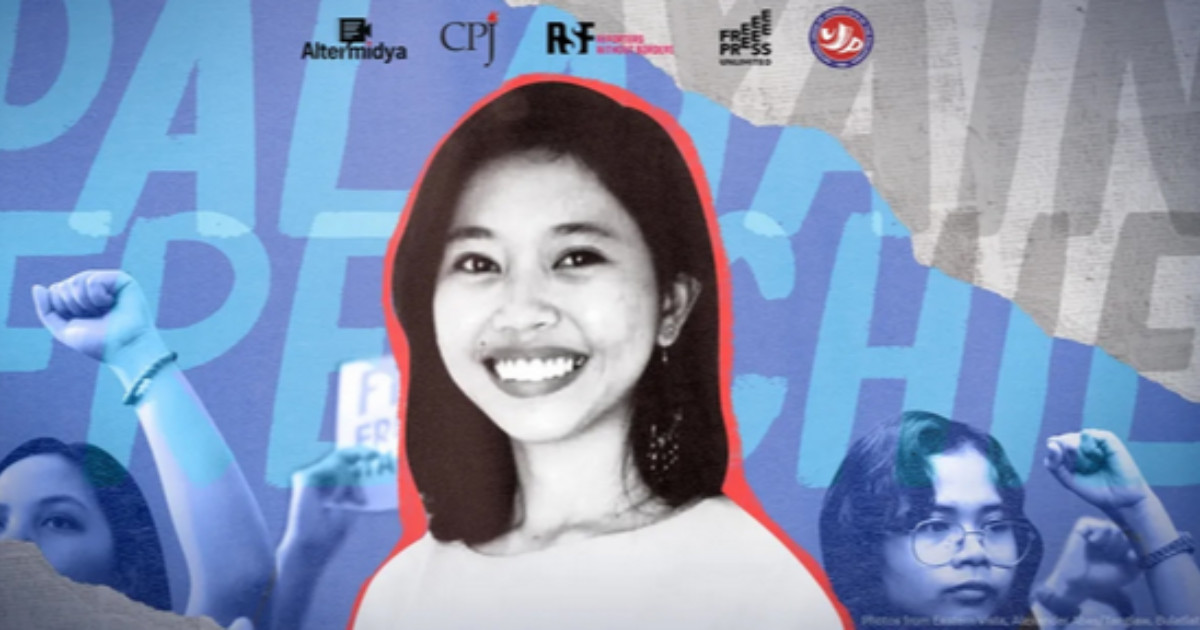
International press freedom groups urged President Marcos to drop terror charges and free Tacloban journalist Frenchie Mae Cumpio, detained since 2020; advocates say her detention is politically motivated and raises concern over anti-terror laws.Summary
MANILA — International press freedom groups have renewed calls for the release of Philippine journalist Frenchie Mae Cumpio as she marked six years in detention on terror-related charges that advocates say are politically motivated.
The Committee to Protect Journalists and more than 90 international media organizations urged President Ferdinand Marcos Jr. to drop the charges and free Cumpio, a community journalist based in Tacloban City. She was arrested in February 2020 during police raids and has remained in detention while facing allegations under the Philippines’ anti-terrorism and firearms laws, which she denies.
Calls intensify on detention anniversary
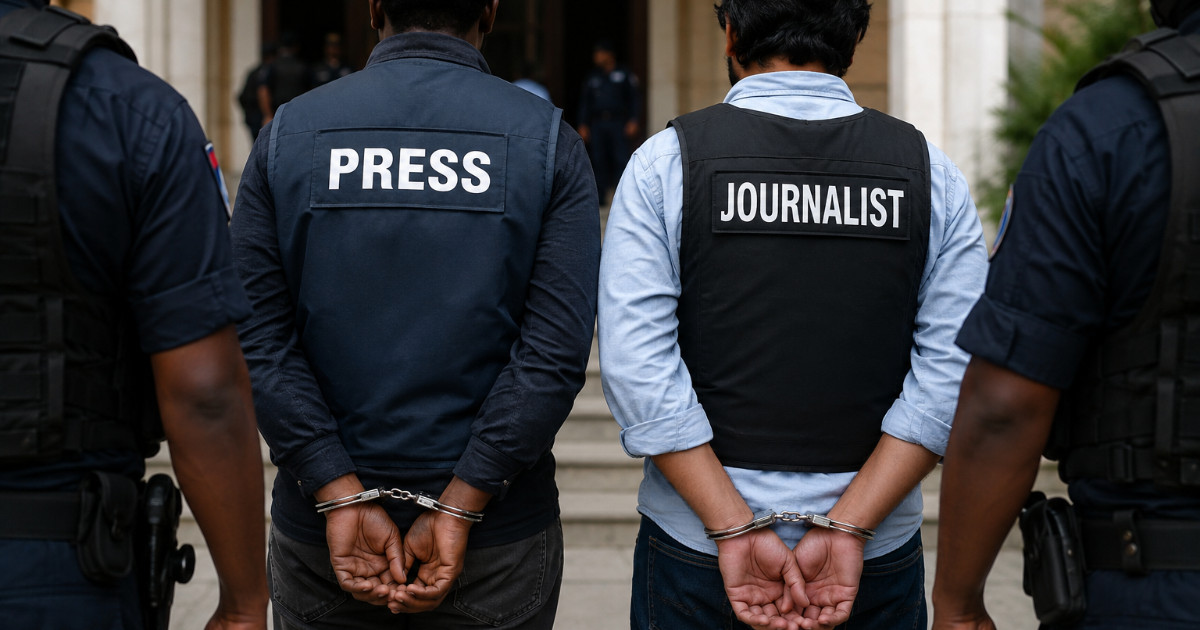
Press freedom advocates say Cumpio’s prolonged pretrial detention highlights concerns about the use of national security legislation against journalists covering sensitive issues. According to rights groups, she reported on poverty, disaster response, and alleged abuses in Eastern Visayas, work that placed her outlet under scrutiny from authorities.
The Philippine government has maintained that the charges stem from alleged illegal possession of firearms and explosives and purported links to outlawed groups, accusations that her legal team and supporters reject. Court proceedings in the case have continued over several years, drawing sustained attention from international observers.
Concerns over anti-terror laws and media climate
Media watchdogs have repeatedly expressed concern about the broader climate for journalists in the Philippines, particularly the use of counterterrorism measures and red-tagging, a practice in which individuals or organizations are publicly labeled as linked to communist insurgents. Authorities have denied targeting journalists for their work and say security operations are conducted within the bounds of the law.
The case has become emblematic for press freedom advocates who argue that lengthy detention without conviction can have a chilling effect on local reporting, especially outside major urban centers. International organizations have called for due process and adherence to constitutional protections for freedom of expression.
Cumpio’s detention began during the administration of former President Rodrigo Duterte and has continued under President Marcos Jr., whose government has pledged to uphold media freedom while also pursuing national security policies. Human rights groups say the outcome of the case will signal how authorities balance these priorities.
WHY THIS MATTERS: The case underscores how anti-terror and national security laws can intersect with journalism, particularly at the community level. For Pakistani media professionals, it illustrates the risks associated with broad security legislation and the importance of legal preparedness, newsroom safety protocols, and collective advocacy when covering sensitive subjects.
ATTRIBUTION: Based on statements by the Committee to Protect Journalists and international media organizations, and publicly available court records and reports on the case.
PHOTOS: Eastern Vista, Alexander Abas/Tanglaw, Bulatlat; Graphic: AlterMidya
Key Points
- Over 90 international media and press freedom groups called for Cumpio's release and for charges to be dropped.
- Frenchie Mae Cumpio, a community journalist from Tacloban, has been detained since February 2020 on terror‑related and firearms accusations she denies.
- Advocates say her prolonged pretrial detention is politically motivated and connected to her reporting on poverty, disaster response and alleged abuses.
- The Philippine government cites alleged illegal possession of firearms and links to outlawed groups; court proceedings have continued for years.
- Rights groups warn the case highlights broader concerns over anti-terror laws, red-tagging and press freedom in the Philippines.
Relevant Topics
Ask AI: Understand this story your way
AI EnabledDig deeper, ask anything — get instant context, background, and clarity.
Disclaimer: This feature is powered by AI and is intended to help readers explore and understand news stories more easily. While we strive for accuracy, AI-generated responses may occasionally be incomplete or reflect limitations in the underlying model. This feature does not represent the editorial views of JournalismPakistan. For our full, verified reporting, please refer to the original article.