
Iran accused of surveilling and threatening BBC Persian journalists
JournalismPakistan.com | Published: 7 February 2026 | JP Middle East Desk
Join our WhatsApp channel
Exiled BBC Persian journalists say Iranian authorities tracked addresses and newsroom locations abroad and threatened relatives in Iran with interrogations, travel bans and asset seizures, a pattern rights groups say shows escalating transnational repression.Summary
LONDON, United Kingdom — Exiled BBC Persian reporters have accused Iranian authorities of systematically monitoring their activities abroad and threatening the relatives of staff still living in Iran in an attempt to deter coverage of ongoing domestic unrest and protests.
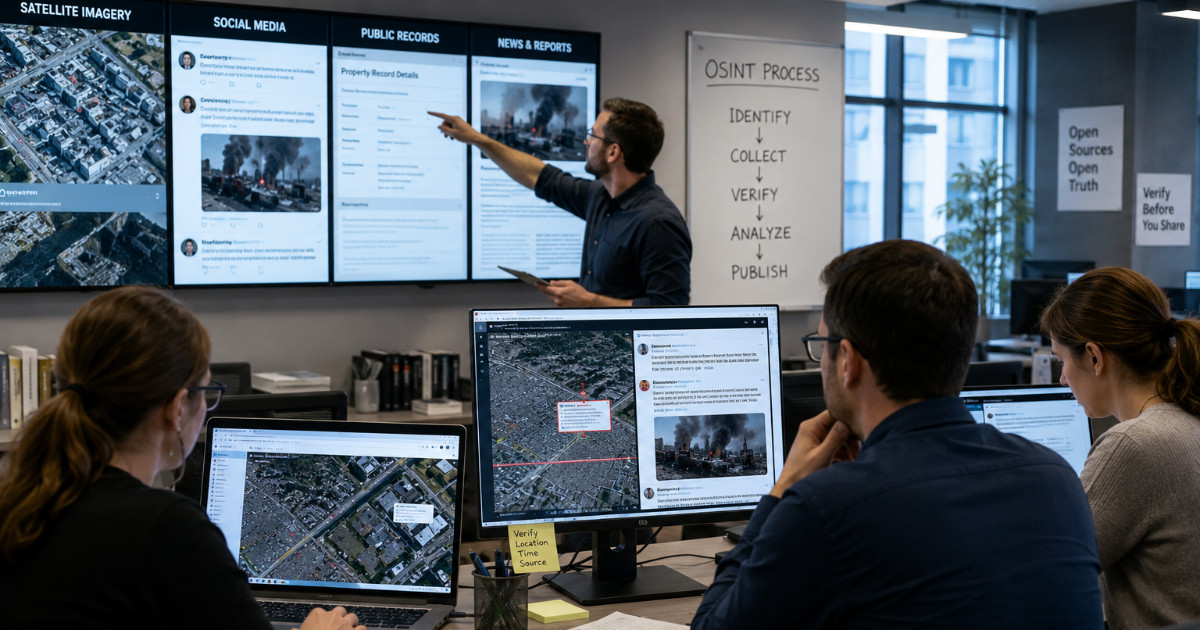
The allegations, confirmed by multiple journalists at the London-based broadcaster, include detailed tracking of personal addresses, surveillance of newsroom locations, and a range of coercive tactics aimed at exerting pressure on diaspora journalists. Family members in Iran have reportedly faced interrogations, travel bans, passport confiscations, asset seizures, and other punitive measures tied directly to their relatives’ journalistic work.
Broad pattern of transnational repression
These reported actions reflect what rights groups and media organizations describe as a broader pattern of transnational repression by Iranian state authorities against independent Persian-language media based abroad, including BBC Persian and other outlets.
Officials in Tehran have long viewed independent reporting on domestic political developments as hostile, and recent reports suggest an escalation in extraterritorial intimidation efforts to silence critical coverage. Independent press freedom organizations are raising alarms about the use of family intimidation as a tactic to stifle journalistic independence and limit access to information for audiences inside Iran.
WHY THIS MATTERS: The claims of surveillance and threats against BBC Persian journalists underscore transnational threats to press freedom that have implications for global media operations and diaspora reporting. For Pakistani journalists and media organizations, understanding these tactics highlights the risks independent journalists can face from state actors beyond borders and the importance of robust safety strategies and legal protections for diaspora media personnel.
ATTRIBUTION: Reporting based on coverage by The Guardian, BBC, and statements from human rights organizations, including RSF and NUJ.
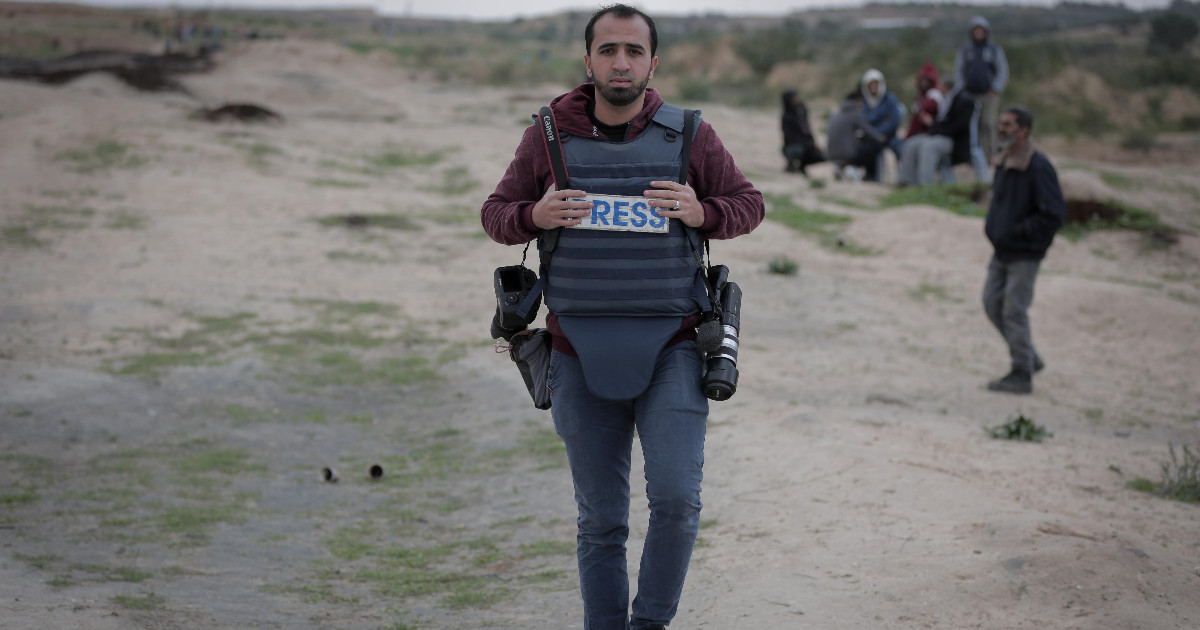
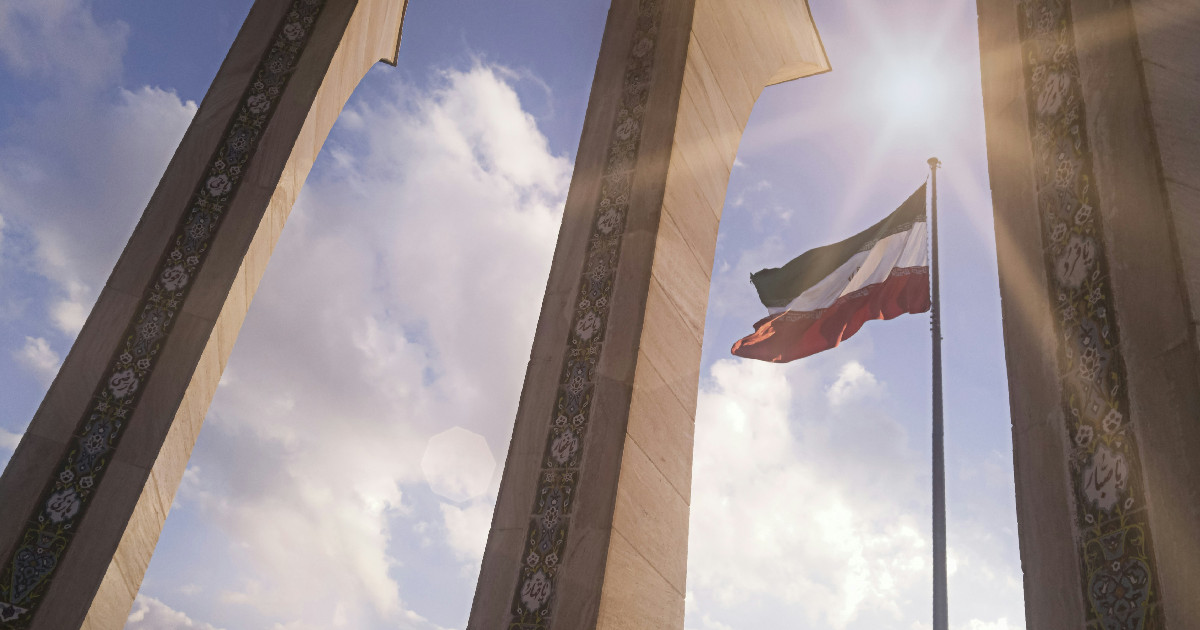
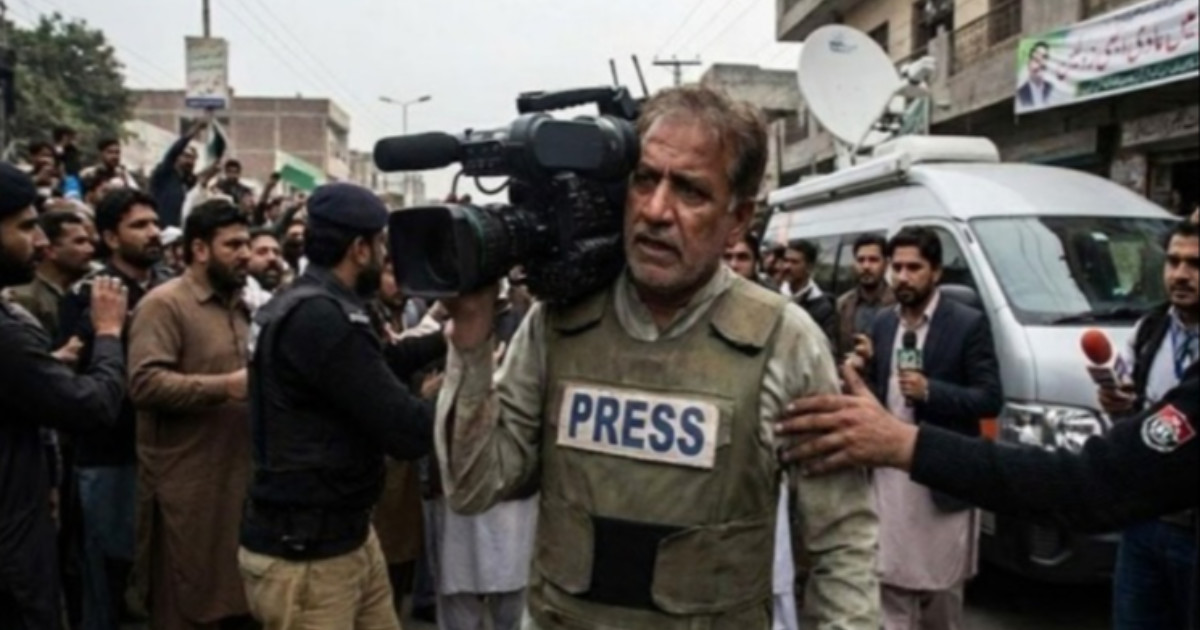
PHOTO: AI-generated; for illustrative purposes only.
Key Points
- Exiled BBC Persian staff allege systematic monitoring of personal addresses and newsroom locations abroad.
- Relatives in Iran reportedly faced interrogations, travel bans, passport confiscations and asset seizures tied to journalists' work.
- Journalists describe coercive tactics used to deter coverage of domestic unrest and protests.
- Rights groups and media organizations warn this fits a broader pattern of transnational repression by Iranian authorities.
- Allegations raise concerns about press freedom, safety of diaspora reporters and access to independent information inside Iran.
Ask AI: Understand this story your way
AI EnabledDig deeper, ask anything — get instant context, background, and clarity.
Disclaimer: This feature is powered by AI and is intended to help readers explore and understand news stories more easily. While we strive for accuracy, AI-generated responses may occasionally be incomplete or reflect limitations in the underlying model. This feature does not represent the editorial views of JournalismPakistan. For our full, verified reporting, please refer to the original article.