
Pakistan's media faces five warning signs of shrinking space
JournalismPakistan.com | Published: 26 March 2026 | JP Staff Report
Join our WhatsApp channel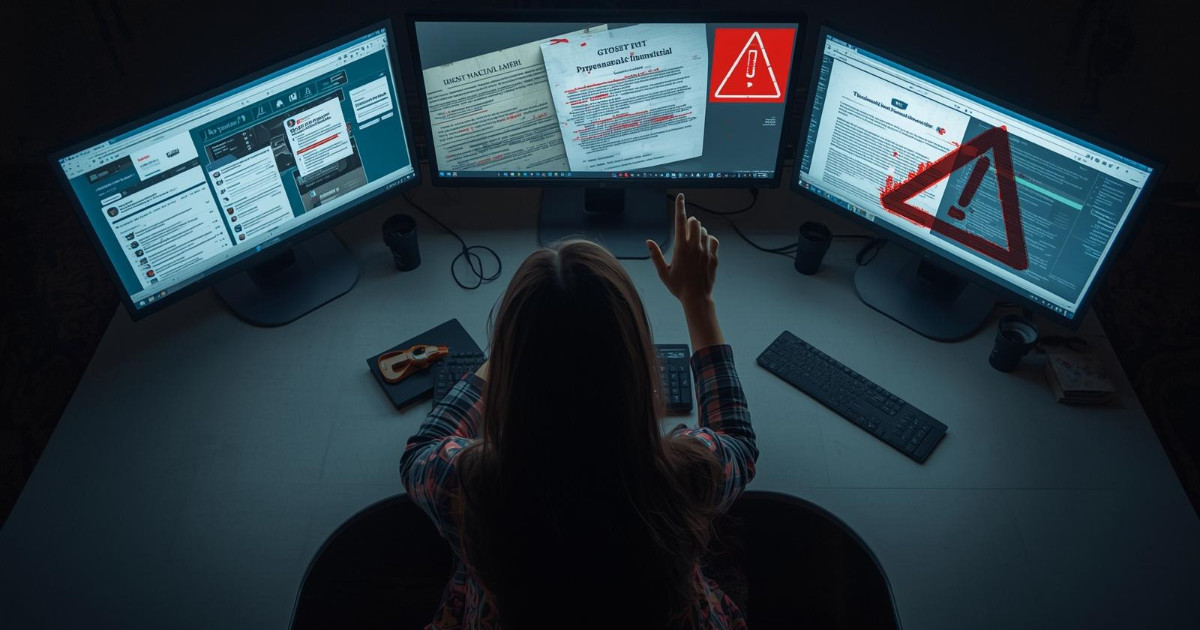
Watchdogs warn Pakistan's journalists face rising legal, digital and economic constraints, frequent PECA cases, a Social Media Authority with takedown powers, platform outages and falling ad revenues that weaken newsroom independence.Summary
ISLAMABAD — Journalists in Pakistan are facing increasing constraints as multiple indicators point to a steady contraction of civic space, raising concerns among media watchdogs and press freedom advocates. Recent developments suggest a pattern of legal, digital, and economic pressures that are reshaping the operating environment for independent journalism.
Legal pressures escalate
One of the clearest warning signs is the growing use of legal mechanisms to scrutinize and, in some cases, silence journalists. PECA (Pakistan Electronic Crimes Act, 2016), originally designed to combat cybercrime, is now being invoked extensively against reporters, particularly those covering political, security, or governance issues. Publicly available case records show investigations, online takedowns, and potential imprisonment for journalists under PECA’s broad and vague provisions.
Digital restrictions intensify
The launch of Pakistan’s Social Media Authority, with a chair and five members empowered to order content removal or block websites under the amended PECA, marks a significant tightening of control over online spaces. Journalists and media organizations report disruptions to websites and social media services during politically sensitive periods, limiting both reporting and audience access.
Economic pressures weaken independence
Financial instability remains a major challenge for the Pakistani media. Declining advertising revenues, salary delays, and layoffs reduce newsroom resilience and increase susceptibility to external influence. Journalists in precarious positions may avoid controversial topics to protect their jobs, further narrowing the scope of public discourse.
Harassment and intimidation persist
Threats, online trolling, and physical intimidation continue to target journalists, with women disproportionately affected by gender-based abuse. Such harassment contributes to a climate of fear, making it difficult for reporters to carry out investigative work or engage freely with the public.
Policy uncertainty compounds risks
Frequent changes in media regulations, including amendments to PECA enforcement, create uncertainty for newsrooms. Unclear or rapidly shifting rules increase the risk of unintentional violations, complicate long-term planning, and can deter investment in independent journalism ventures.
WHY THIS MATTERS: These five warning signs illustrate the structural and operational challenges facing journalists in Pakistan. For media organizations, understanding these pressures is crucial for risk assessment, editorial strategy, and digital resilience. Newsrooms may need to invest in legal awareness, compliance training, and safety protocols to sustain independent reporting.
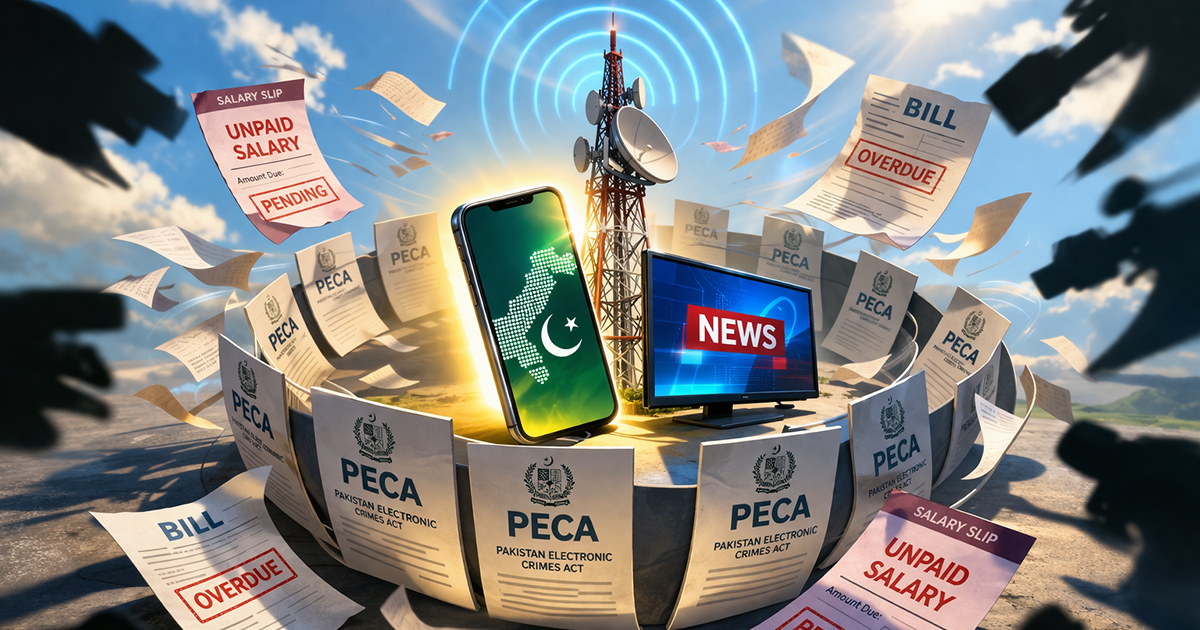
PHOTO: AI-generated; for illustrative purposes only.
Key Points
- Increased use of PECA to investigate and prosecute reporters covering politics, security and governance.
- Establishment of a Social Media Authority empowered to order content removals and site blocks under amended law.
- Reports of website and social platform disruptions during politically sensitive periods.
- Declining advertising revenues, salary delays and layoffs undermining newsroom resilience.
- Combined legal, digital and economic pressures are contracting civic space and weakening independent journalism.
Key Questions & Answers
What legal tool is being used against journalists?
The Pakistan Electronic Crimes Act (PECA, 2016) is increasingly invoked for investigations, online takedowns and potential prosecutions of reporters.
What powers does the Social Media Authority have?
The authority can order content removals or block websites under the amended PECA, which critics say tightens state control over online expression.
How are economic pressures affecting media independence?
Falling ad revenues, salary delays and layoffs reduce newsroom capacity and increase vulnerability to external influence.
What is the overall impact on civic space?
Legal, digital and economic constraints are shrinking civic space and eroding the ability of independent media to report freely.
Relevant Topics
Ask AI: Understand this story your way
AI EnabledDig deeper, ask anything — get instant context, background, and clarity.
Disclaimer: This feature is powered by AI and is intended to help readers explore and understand news stories more easily. While we strive for accuracy, AI-generated responses may occasionally be incomplete or reflect limitations in the underlying model. This feature does not represent the editorial views of JournalismPakistan. For our full, verified reporting, please refer to the original article.