
BBC faces claims of restricting journalists during Gaza war
JournalismPakistan.com | Published: 22 March 2026 | JP Global Monitoring
Join our WhatsApp channel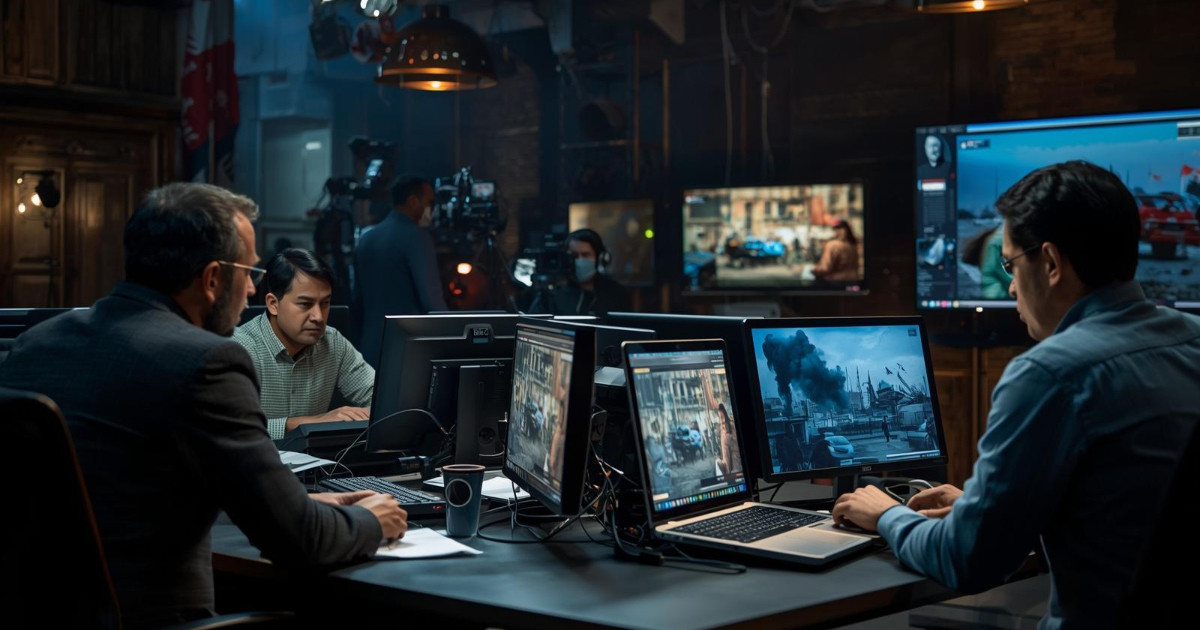
Five BBC Arabic journalists are bringing claims to a UK employment tribunal alleging discrimination and unfair dismissal linked to Gaza war coverage. They say management imposed legal and editorial limits, hindered reporting and failed to pursue accountability.Summary
LONDON — A UK employment tribunal is hearing a case in which five journalists of Arab origin accuse the British Broadcasting Corporation (BBC) of discriminatory practices and unfair dismissal tied to coverage of the Israeli war in Gaza. The journalists, who worked for BBC Arabic, allege they were pressured by management and restricted from reporting freely on critical events, including an October 13, 2023, incident where Israeli armed police assaulted a BBC Arabic television crew.
BBC Arabic journalists allege editorial breaches
The claimants—Ahmed Rouaba, Dima Odeh, Nahed Najar, Mohamed El-Ashiry, and Amer Sultan—argue that BBC management imposed legal and editorial restrictions that prevented accurate reporting and misled the public. Amer Sultan, a senior correspondent with 17 years at BBC Arabic, testified that he raised concerns about breaches of editorial guidelines early in the Gaza conflict, but no outcome or investigation results were communicated before he left the broadcaster in October 2024.
Management acknowledges listening sessions but not outcomes
Documents presented in court reveal that Liliane Landor, former director of the BBC World Service, held “listening sessions” with staff to review mistakes in coverage. While she reportedly admitted the audience had been misled, BBC defense representatives questioned whether the breaches constituted legal whistleblowing, leaving unresolved questions about accountability and transparency in editorial decisions.
Editors challenged proposals for unbiased reporting
Sultan also highlighted that proposals to produce objective reports on misleading narratives about Hamas actions during the conflict were rejected by website editors. The journalists contend that such restrictions hindered the BBC’s mission as a publicly funded broadcaster to provide impartial and fact-based reporting. The hearing is ongoing, with further testimony expected.
WHY THIS MATTERS: The case underscores the challenges journalists face in balancing editorial independence and organizational directives during conflict reporting. For Pakistani media professionals, it highlights the importance of internal safeguards for accurate reporting, transparency in editorial decisions, and the potential legal ramifications of workplace restrictions on news coverage. Newsrooms may need to strengthen policies for whistleblowing and editorial accountability.
ATTRIBUTION: Information cited from publicly available reporting by Middle East Monitor and a publicly available UK employment tribunal filing (March 22, 2026).
PHOTO: AI-generated; for illustrative purposes only.
Key Points
- Five journalists of Arab origin from BBC Arabic have filed claims alleging discrimination and unfair dismissal tied to Gaza coverage.
- Claimants say management imposed legal and editorial restrictions limiting accurate reporting, including on an assault on a BBC Arabic crew.
- Documents show BBC World Service held "listening sessions" led by Liliane Landor, with admissions that the audience had been misled.
- The BBC's defense questioned if editorial breaches met legal whistleblowing thresholds; the outcomes of the reviews were not communicated.
- The employment tribunal will examine accountability, editorial decision-making, and whether discriminatory practices occurred.
Key Questions & Answers
What are the journalists claiming?
They allege discriminatory treatment and unfair dismissal, arguing management imposed legal and editorial limits that hindered Gaza war reporting.
Who are the claimants?
The claimants are five BBC Arabic staff: Ahmed Rouaba, Dima Odeh, Nahed Najar, Mohamed El-Ashiry and Amer Sultan.
What has the BBC said?
The BBC acknowledges holding listening sessions to review coverage but its defense contests that breaches constituted legal whistleblowing and notes no formal outcomes were presented in court.
What will the tribunal consider?
The tribunal will assess whether discriminatory practices or unfair dismissal occurred, and examine editorial accountability and any failures in internal review processes.
Relevant Topics
Ask AI: Understand this story your way
AI EnabledDig deeper, ask anything — get instant context, background, and clarity.
Disclaimer: This feature is powered by AI and is intended to help readers explore and understand news stories more easily. While we strive for accuracy, AI-generated responses may occasionally be incomplete or reflect limitations in the underlying model. This feature does not represent the editorial views of JournalismPakistan. For our full, verified reporting, please refer to the original article.