

Climate reporters in Asia face elevated safety risks, study finds
JournalismPakistan.com | Published: 13 January 2026 | JP Asia Desk
Join our WhatsApp channel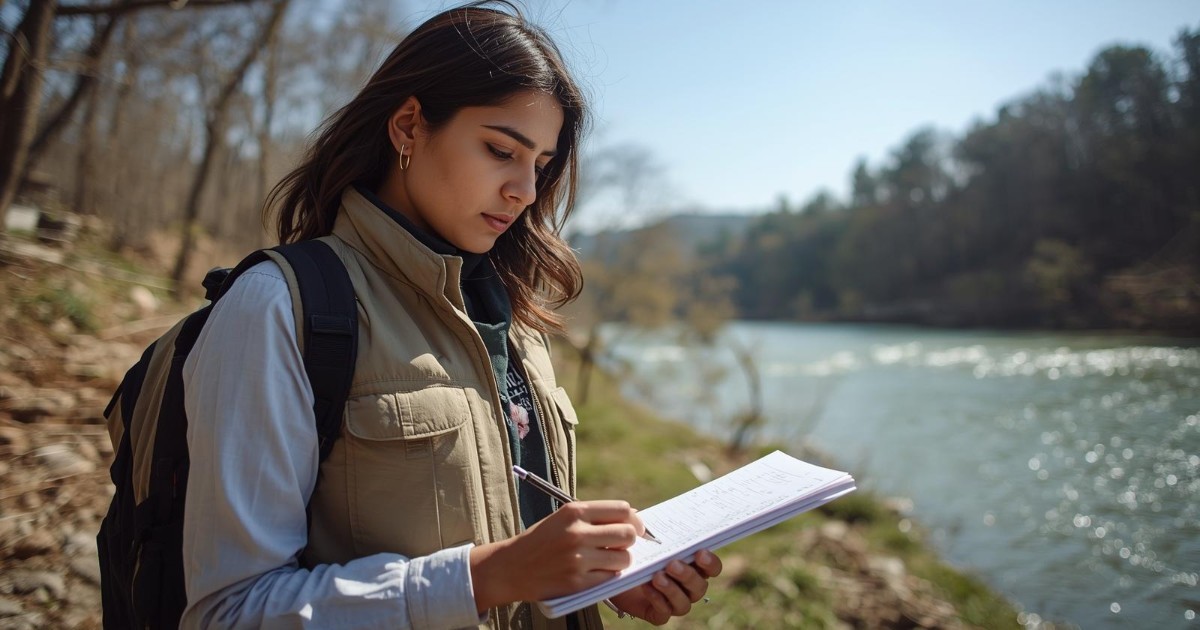
Reuters Institute research finds climate reporters in Asia face higher levels of physical threats and intimidation than peers in Europe and the Americas. The study links risks to reporting on extractive industries, projects, agribusiness and land-use conflicts.Summary
OXFORD — New research from the Reuters Institute for the Study of Journalism has found that climate and environment reporters in Asia face higher levels of physical threats than their counterparts in Europe and the Americas, highlighting persistent safety risks tied to coverage of environmental issues in the region.
The findings point to the particular vulnerability of journalists whose reporting intersects with powerful economic and political interests, including extractive industries, infrastructure development, agribusiness, and land use. Climate reporting in Asia often involves on-the-ground coverage in remote or contested areas, where protections for journalists can be limited.
Risks linked to economic and political interests
According to the research, climate and environment reporters in several Asian countries operate in environments where environmental degradation, corporate influence, and state priorities frequently collide. Journalists covering pollution, deforestation, mining, or climate impacts have reported intimidation, harassment, and physical threats connected to their work. The study underscores that these risks are more pronounced than those reported by similar specialists in Europe and the Americas.
The research situates these threats within broader constraints on press freedom in parts of Asia, where legal protections for journalists may be weak or inconsistently enforced. In such contexts, climate reporters often lack institutional backing, safety training, or access to legal support, increasing their exposure when covering sensitive stories.
Safety gaps for specialized beats
The findings also highlight how specialized beats such as climate and environment reporting can carry unique dangers. Unlike general assignment reporting, climate journalism frequently requires sustained investigations into long-term environmental harm, local power structures, and regulatory failures. This sustained scrutiny can draw retaliation from actors with significant financial or political leverage.
The study suggests that newsroom resources have not always kept pace with the growing risks associated with climate coverage. Freelancers and local reporters, who make up a significant share of climate journalism in Asia, are often the most exposed due to limited security support and precarious employment conditions.
Broader implications for climate coverage
Media researchers note that safety concerns can have a chilling effect on climate reporting, particularly in regions most vulnerable to climate change. When journalists self-censor or avoid certain topics due to fear of reprisals, public understanding of environmental risks and accountability gaps may suffer.
The Reuters Institute research adds to a growing body of evidence that journalist safety must be treated as a core issue in climate reporting, not a peripheral concern. As climate impacts intensify across Asia, the study emphasizes the need for stronger protections, targeted safety training, and institutional support for reporters covering the environment.
ATTRIBUTION: Reporting based on research by the Reuters Institute for the Study of Journalism, with additional context from publicly documented press freedom and media safety analyses.
PHOTO: AI-generated; for illustrative purposes only
Key Points
- Research finds Asian climate and environment reporters face higher physical threats than counterparts in Europe and the Americas.
- Threats are often tied to coverage of extractive industries, infrastructure projects, agribusiness and land-use disputes.
- Risks are amplified by limited legal protections, weak enforcement and lack of institutional support for journalists.
- Reporting frequently requires on-the-ground work in remote or contested areas where safety training and legal aid are scarce.
- The findings highlight broader press freedom constraints affecting environmental journalism in parts of Asia.
Relevant Topics
Ask AI: Understand this story your way
AI EnabledDig deeper, ask anything — get instant context, background, and clarity.
Disclaimer: This feature is powered by AI and is intended to help readers explore and understand news stories more easily. While we strive for accuracy, AI-generated responses may occasionally be incomplete or reflect limitations in the underlying model. This feature does not represent the editorial views of JournalismPakistan. For our full, verified reporting, please refer to the original article.