
Arab states rank among the world's toughest for journalists
JournalismPakistan.com | Published: 8 January 2026 | JP Middle East Desk
Join our WhatsApp channel
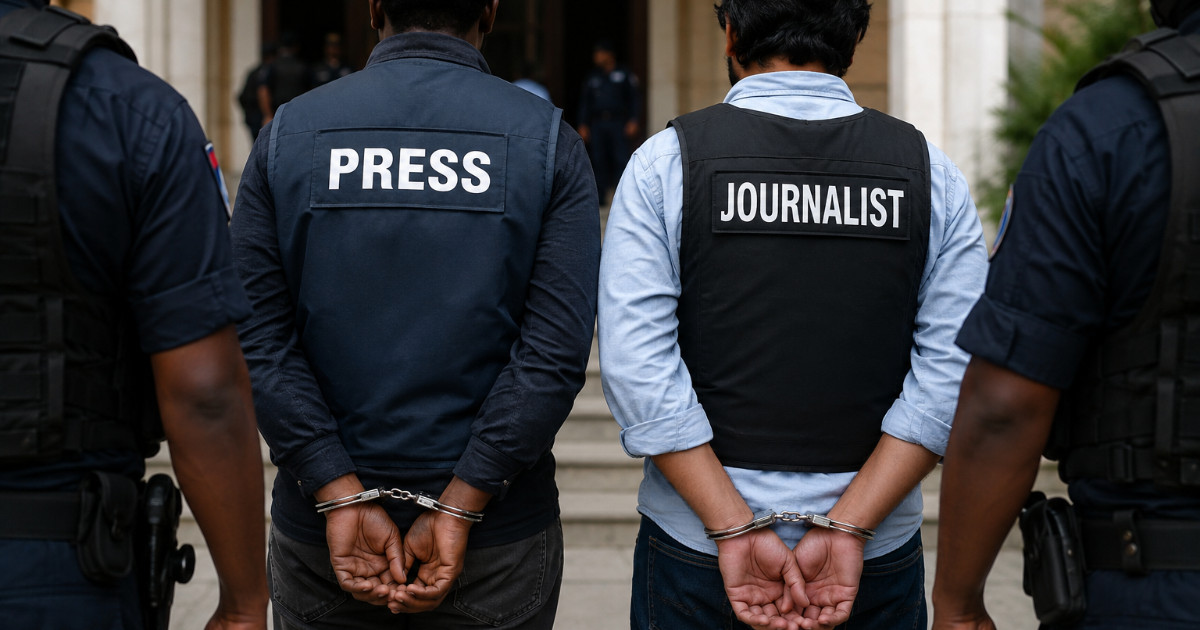
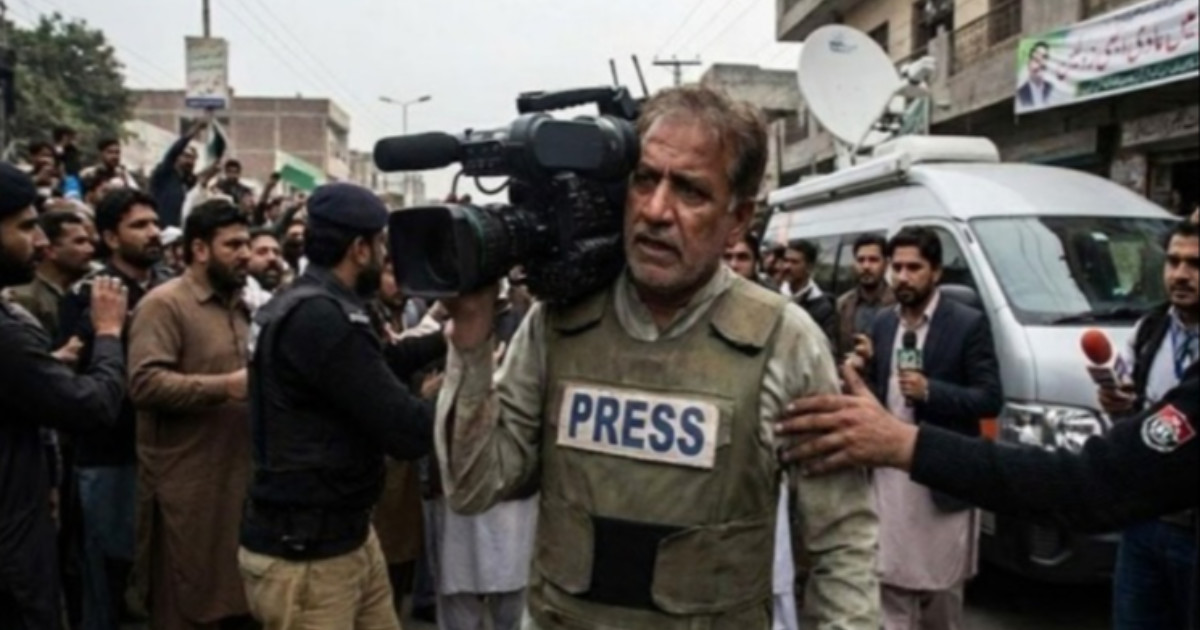
Global press freedom indexes place several Arab states among the world's most restrictive for journalists, citing censorship, arrests and legal pressure. Watchdogs point to broad security laws, criminal defamation and state control over media licensing.Summary
BEIRUT — Arab states continue to feature prominently among the world’s most restrictive environments for journalists, according to widely cited global press freedom assessments that track censorship, detentions, and legal pressure on media workers.
Recent editions of the World Press Freedom Index published by Reporters Without Borders and annual prison census reports by the Committee to Protect Journalists consistently place several Middle Eastern countries near the bottom globally, highlighting sustained constraints on independent reporting and the operation of news organizations.
Press freedom indices point to persistent restrictions
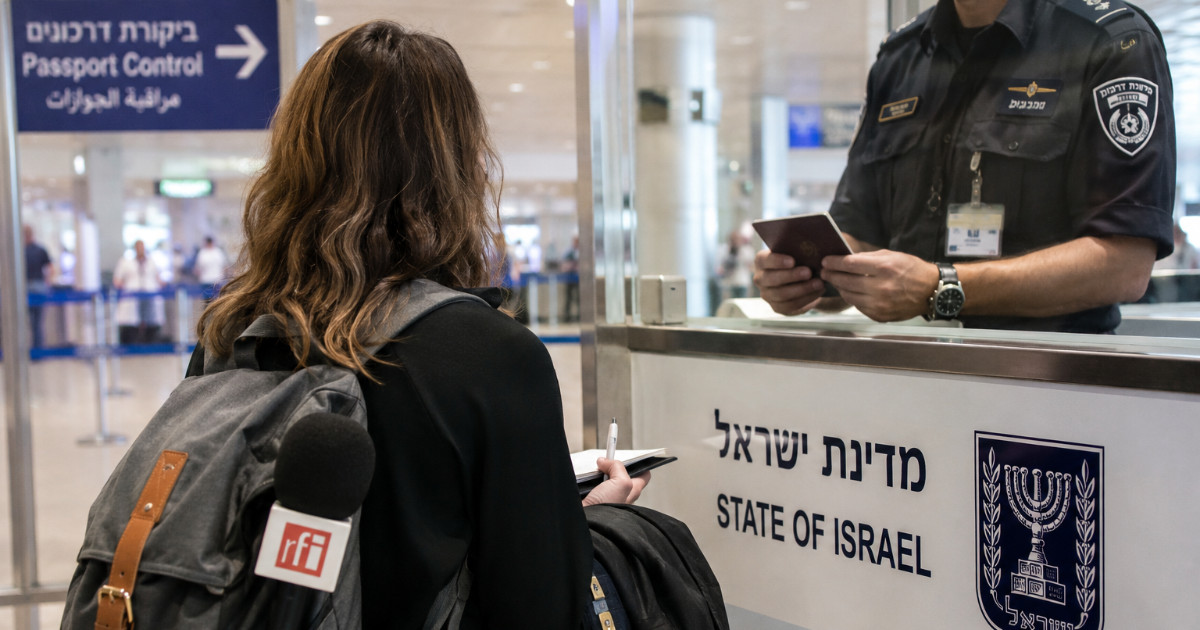
Among the countries most frequently cited by international watchdogs are Saudi Arabia, Syria, and Iran, which are regularly listed by the Committee to Protect Journalists among the world’s leading jailers of journalists. Israel has also faced scrutiny in recent assessments related to arrests, movement restrictions, and the treatment of journalists in conflict-linked contexts, according to documented cases tracked by multiple monitoring groups.
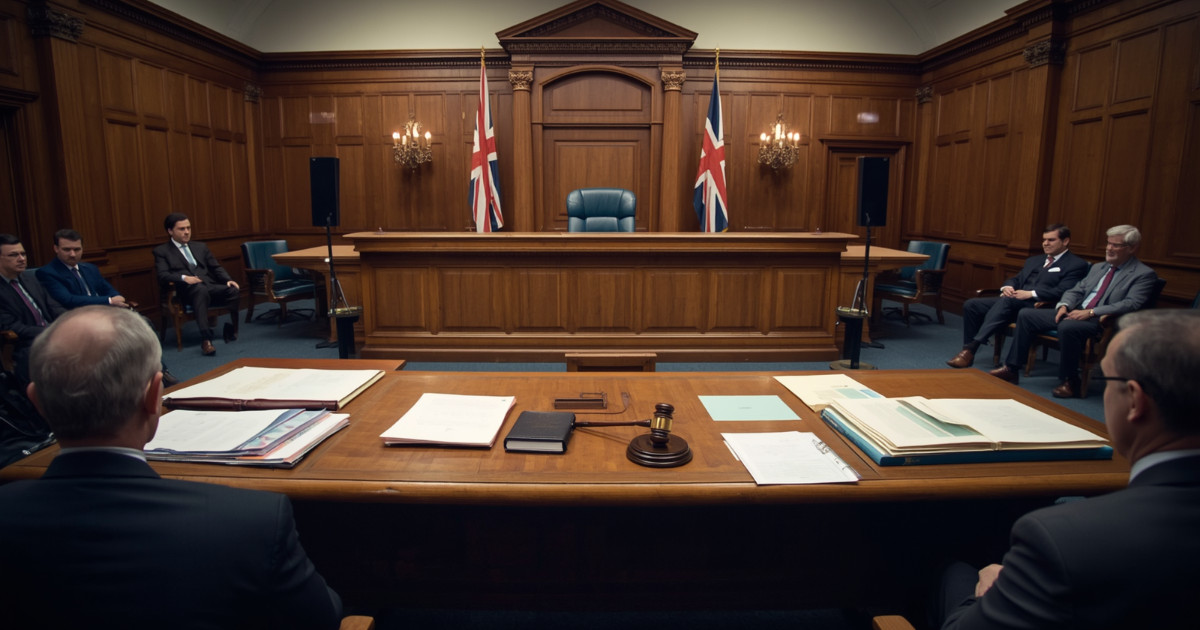
Across these countries, the indices identify a common set of structural barriers. These include broadly worded national security laws, criminal penalties for defamation or unauthorized reporting, state control over licensing, and emergency regulations that expand executive authority over media during periods of political tension or conflict.
Legal and security pressures shape media work
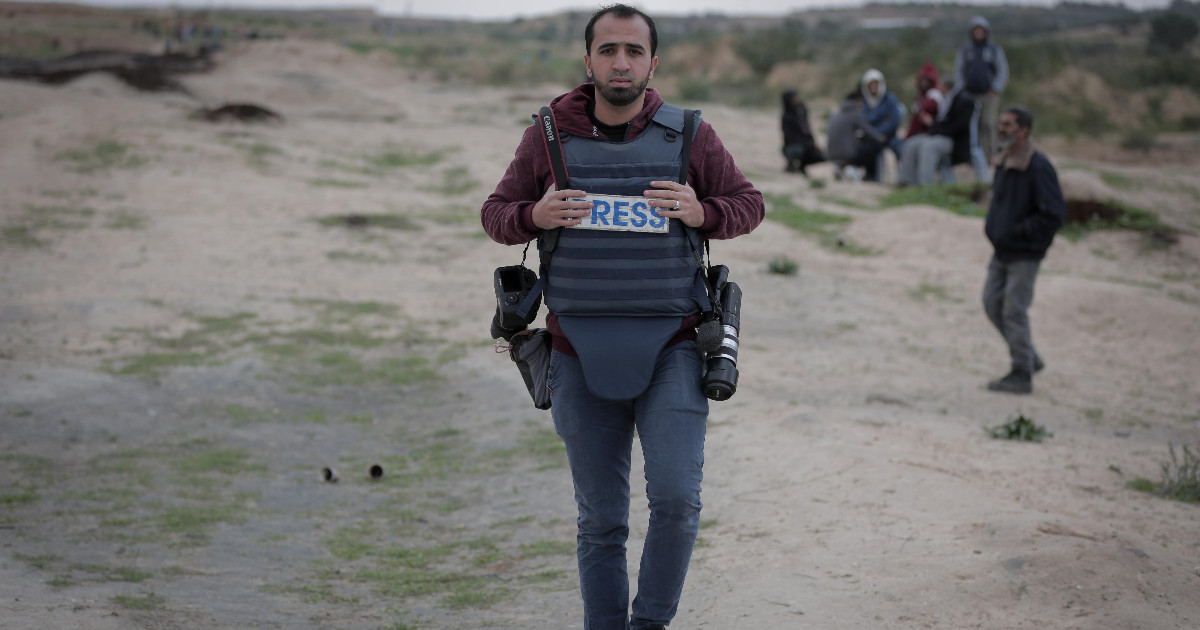
In much of the region, journalists operate under legal frameworks that allow authorities to detain reporters for coverage deemed harmful to state interests or public order. Censorship mechanisms, both formal and informal, limit reporting on topics such as government accountability, security services, and senior political leadership. Watchdog groups also document the use of surveillance, travel bans, and outlet closures as tools to deter critical journalism.
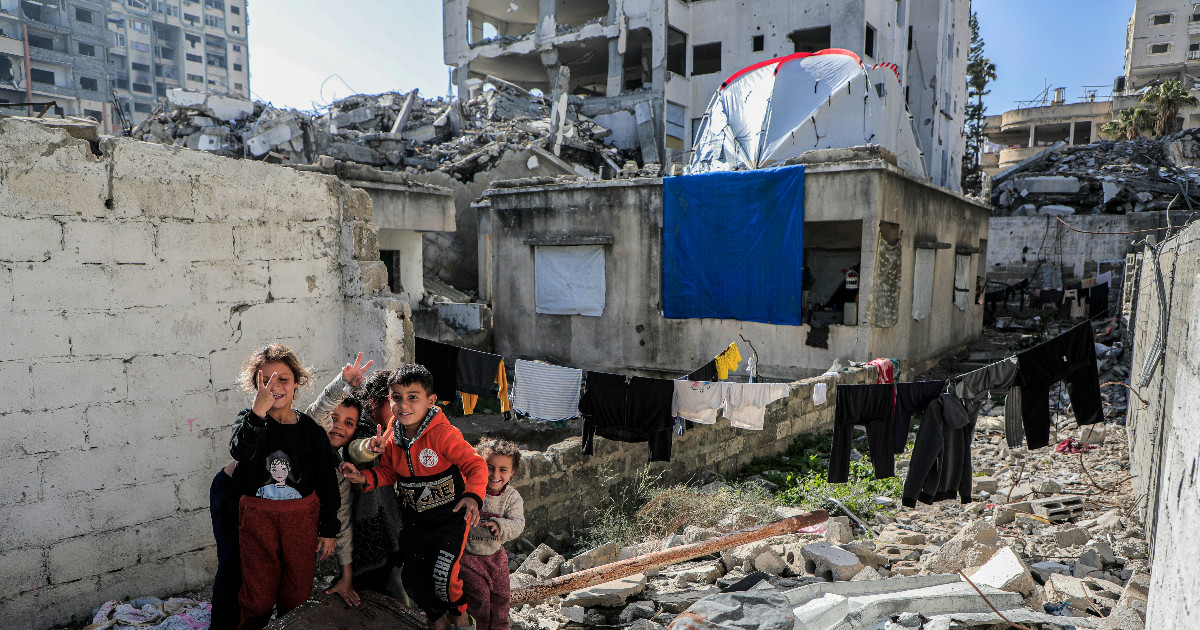
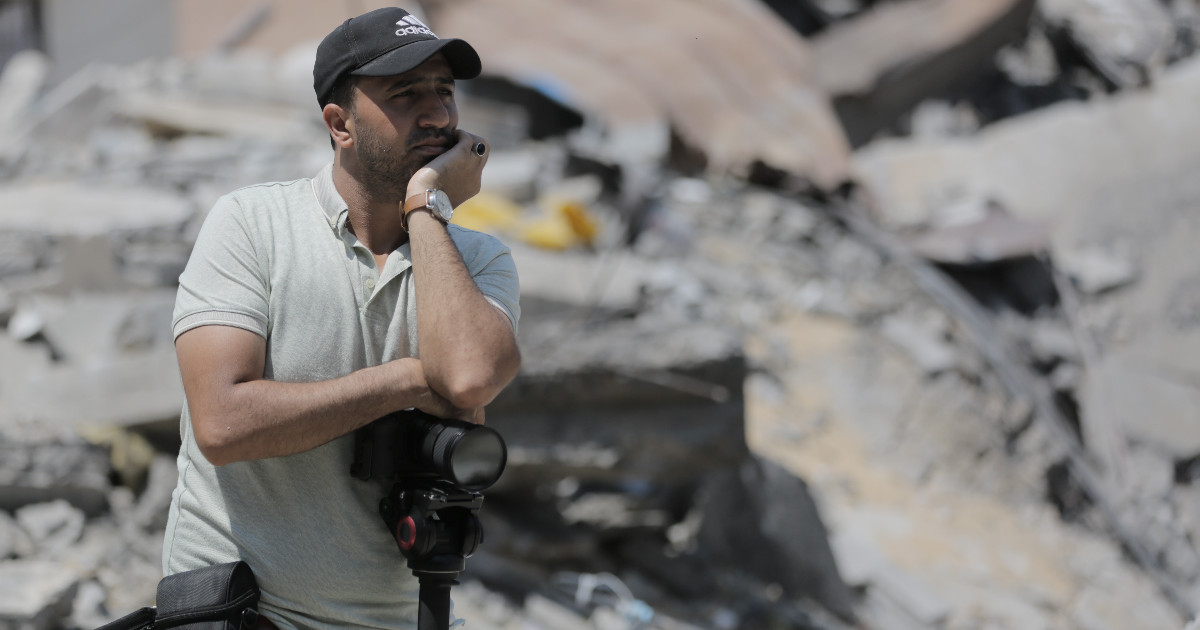
These pressures are compounded by conflict dynamics in parts of the Middle East, where access restrictions, accreditation controls, and safety risks further narrow the space for independent reporting. International indices emphasize that such conditions affect not only local journalists but also foreign correspondents and regional media organizations.
Regional implications for journalism and public access
Analysts note that sustained limits on press freedom have broader implications for public access to information, media credibility, and the development of independent digital journalism across the Arab world. While some countries have expanded their online media presence and invested in state-backed international outlets, global rankings suggest that legal and political constraints continue to outweigh these developments when assessing overall media freedom.
Press freedom organizations emphasize that rankings serve as indicators rather than definitive judgments, but argue that long-term trends in the Middle East suggest entrenched systems of control that are slow to change. Without documented legal reforms and improved protections for journalists, they warn that the region is likely to remain among the most challenging environments for the press worldwide.
ATTRIBUTION: Reporting based on publicly available assessments by Reporters Without Borders and the Committee to Protect Journalists.
PHOTO: By ErikaWittlieb from Pixabay
Key Points
- International press freedom indexes and prison censuses rank several Arab states among the world's most restrictive for journalists.
- Reporters Without Borders and the Committee to Protect Journalists consistently document censorship, arrests and detentions.
- Countries often highlighted include Saudi Arabia, Syria, Iran and Israel in specific conflict-related cases.
- Common barriers are broad national security laws, criminal defamation, state licensing control and emergency regulations.
- These legal and security pressures limit independent reporting and constrain news organizations' operations.
Relevant Topics
Ask AI: Understand this story your way
AI EnabledDig deeper, ask anything — get instant context, background, and clarity.
Disclaimer: This feature is powered by AI and is intended to help readers explore and understand news stories more easily. While we strive for accuracy, AI-generated responses may occasionally be incomplete or reflect limitations in the underlying model. This feature does not represent the editorial views of JournalismPakistan. For our full, verified reporting, please refer to the original article.