
Argentina curbs media access over smart glasses footage row
JournalismPakistan.com | Published: 24 April 2026 | JP Global Monitoring
Join our WhatsApp channel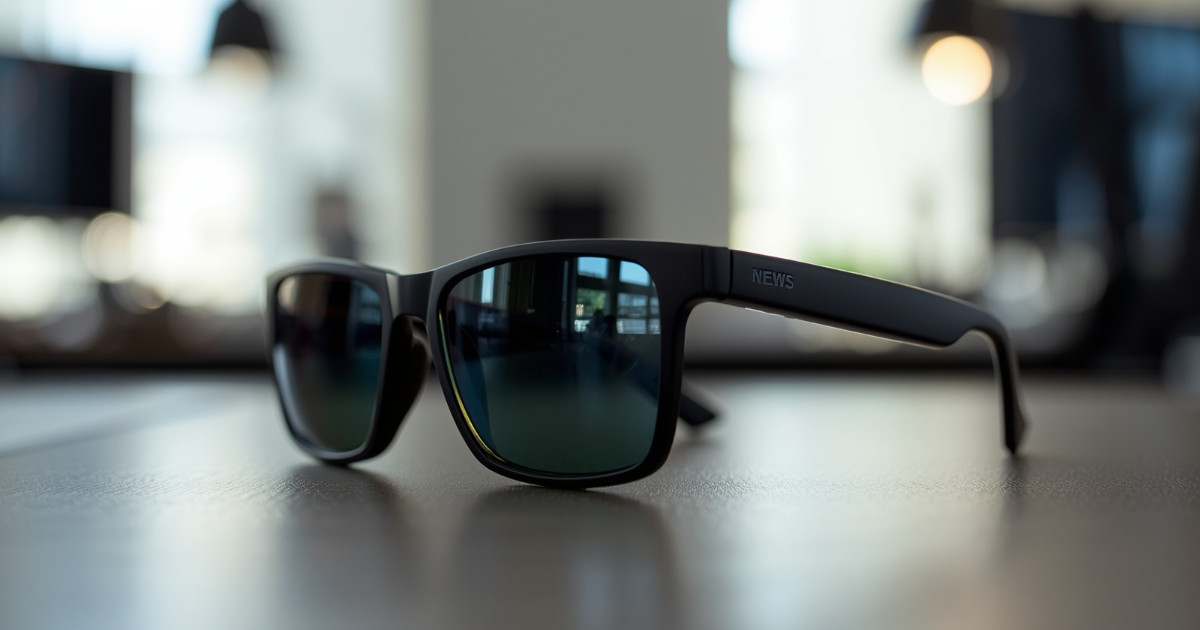
Argentina has barred accredited journalists from entering the Casa Rosada after a TV report purportedly used covert smart-glasses footage inside the presidential palace. Officials called it a security measure; critics said it risks transparency.Summary
BUENOS AIRES—Argentina’s government has barred accredited journalists from entering the Casa Rosada following a television report that allegedly used covert smart-glasses footage inside the presidential palace, escalating tensions between state authorities and the press.
The restriction, announced on April 23, was described by officials as a security precaution after concerns were raised about the use of hidden recording devices during coverage inside the seat of government. The move immediately limited routine access for journalists who had previously been accredited to report from the presidential complex.
Press freedom backlash mounts
Journalists and press freedom advocates criticized the decision, arguing that it was a disproportionate response that risks undermining transparency in government reporting. They warned that restricting access based on isolated incidents could set a precedent for broader limitations on media oversight of public institutions.
The controversy has intensified scrutiny of how governments in the region regulate media access, particularly in politically sensitive environments where press-government relations are already strained.
Access rules under question
The case has also revived debate over newsroom practices involving emerging technologies such as wearable devices, which are increasingly used for reporting but raise new ethical and security concerns for government venues.
Observers note that while states have the right to enforce security protocols, blanket restrictions on accredited journalists can erode trust and reduce the flow of verified public information.
WHY THIS MATTERS: The development underscores growing friction between governments and independent media over access to official institutions, especially as new recording technologies complicate traditional press rules. For Pakistani media professionals, it highlights how rapidly evolving tech can trigger regulatory backlash if newsroom ethics and compliance standards are not clearly defined. It also signals the importance of proactive engagement between journalist bodies and state institutions to protect accredited access frameworks.
ATTRIBUTION: Reporting by JournalismPakistan, based on publicly available statements from Argentine government authorities and press freedom responses reported on April 23–24, 2026.
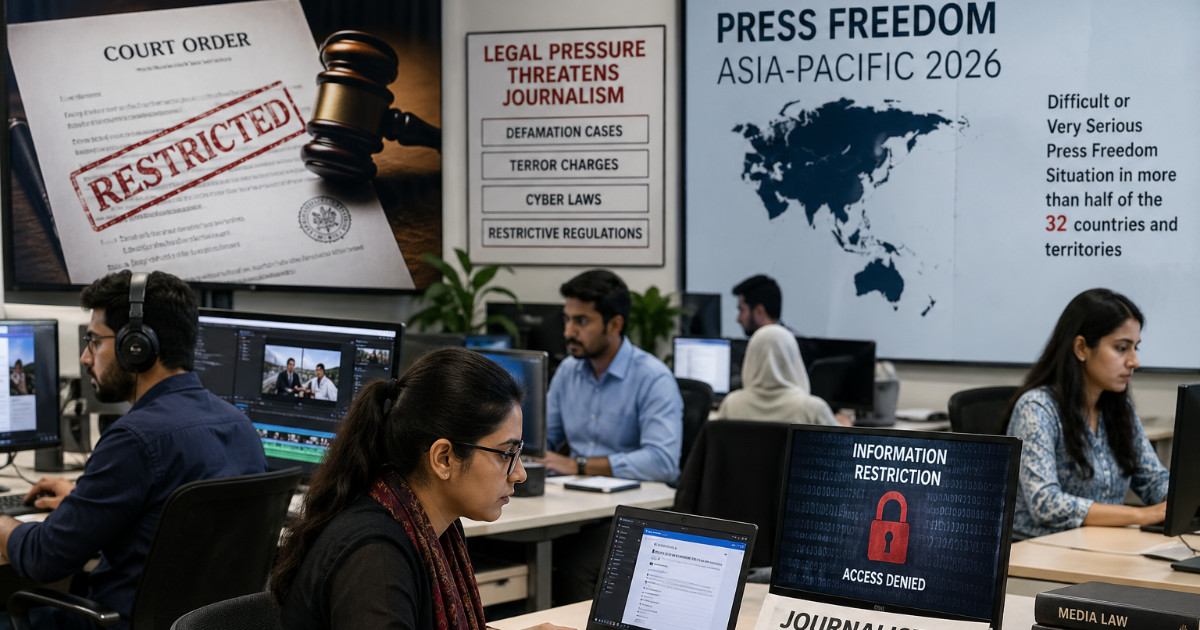
PHOTO: AI-generated; for illustrative purposes only.
Key Points
- Accredited journalists have been barred from the Casa Rosada following a TV report that allegedly used covert wearable recordings.
- Officials described the restriction as a security precaution related to hidden recording devices.
- The measure immediately limited routine access for reporters previously accredited to the presidential complex.
- Press groups and advocates argue the ban is disproportionate and could undermine government transparency and oversight.
- The case has renewed debate over the ethics and regulation of wearable technology in news reporting versus venue security.
Key Questions & Answers
Why were journalists barred from the Casa Rosada?
Authorities said the decision followed a TV report that allegedly used covert wearable footage inside the presidential palace, and framed the move as a security precaution.
Who is affected by the restriction?
Accredited journalists who previously had routine access to report from the Casa Rosada are immediately affected by the ban.
What concerns have been raised about the ban?
Press freedom groups say the blanket restriction is disproportionate; they warn it could undermine transparency and set a precedent for limiting media oversight.
Has the government set a timeline to restore access?
Authorities have not announced a timeline; journalists and advocates are calling for the restriction to be reviewed and access restored.
Relevant Topics
Ask AI: Understand this story your way
AI EnabledDig deeper, ask anything — get instant context, background, and clarity.
Disclaimer: This feature is powered by AI and is intended to help readers explore and understand news stories more easily. While we strive for accuracy, AI-generated responses may occasionally be incomplete or reflect limitations in the underlying model. This feature does not represent the editorial views of JournalismPakistan. For our full, verified reporting, please refer to the original article.