
Journalists protest Trump return to Correspondents' Dinner
JournalismPakistan.com | Published: 26 April 2026 | JP Global Monitoring
Join our WhatsApp channel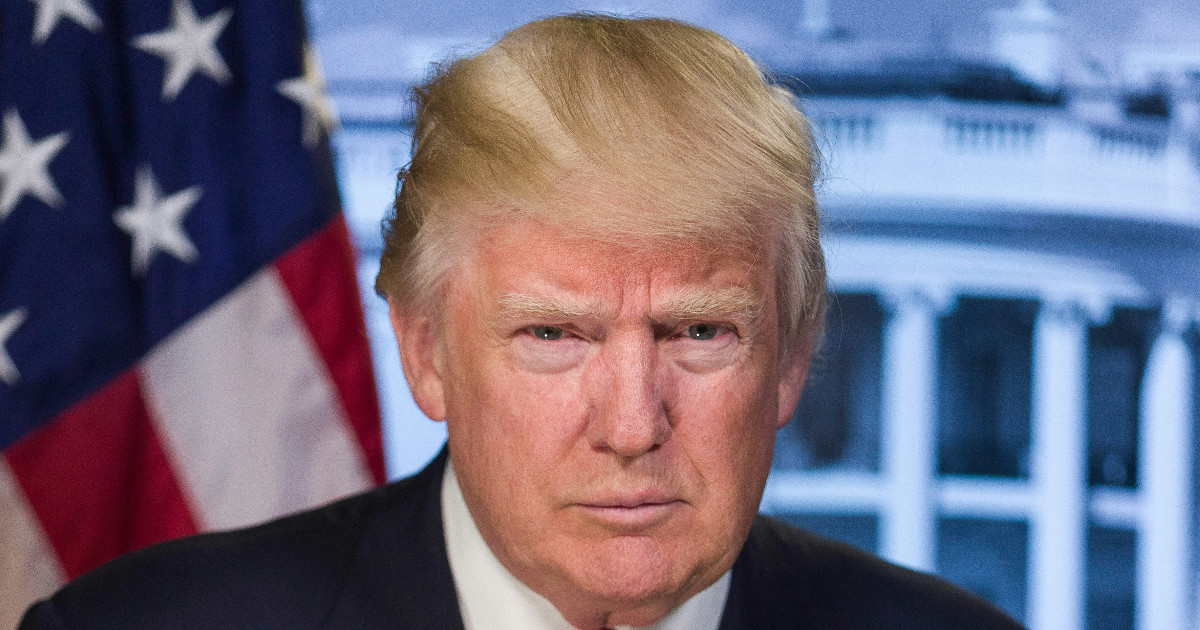
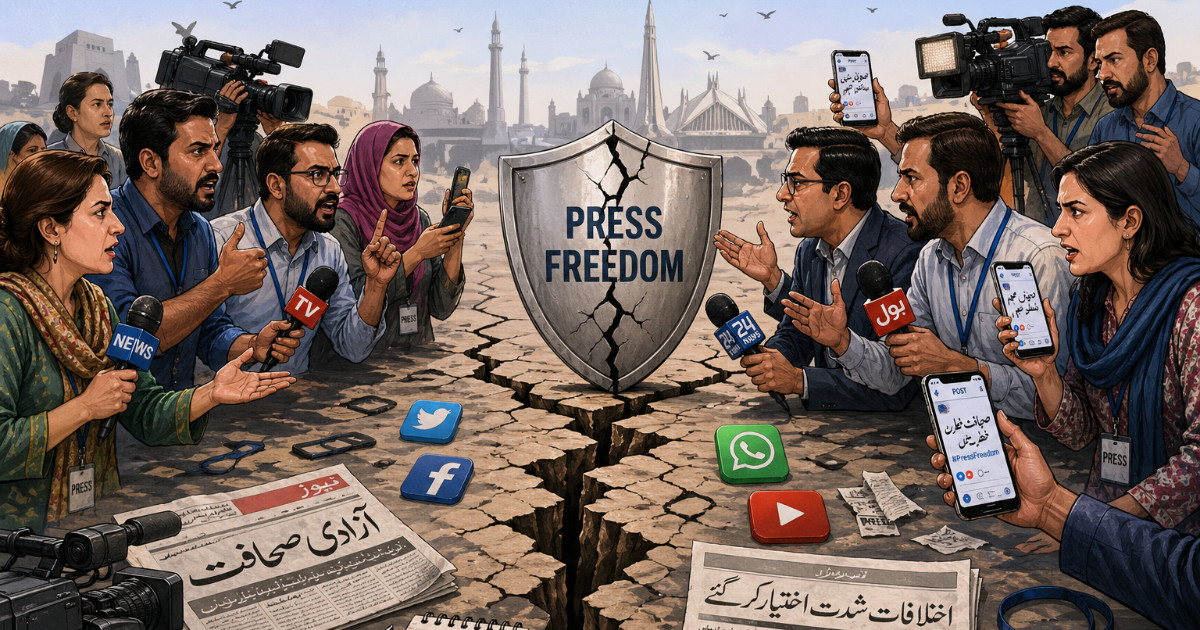
President Donald Trump's return to the White House Correspondents' Dinner after years of boycott drew protests from over 350 journalists and reignited debate over press freedom, access journalism and how the WHCA manages engagement.Summary
WASHINGTON — President Donald Trump’s attendance at the White House Correspondents’ Dinner after years of boycotting the event has reignited a heated debate over press freedom and political engagement with the media. The appearance is being framed by organizers and observers as a symbolic moment during the United States’ 250th anniversary commemorations, but it has also exposed deep divisions within the journalism community.
The White House Correspondents’ Dinner, traditionally seen as a rare point of convergence between political leaders and journalists, has increasingly become a flashpoint for discussions on media independence and executive accountability. Trump’s history of public criticism of the press and previous boycotts of the event have continued to shape perceptions of his return.
Press freedom tensions resurface amid attendance debate
According to reports circulating in the U.S. media environment, more than 350 journalists and media professionals voiced opposition to Trump’s attendance, citing concerns over past lawsuits, restricted access to officials, and repeated rhetorical attacks on news organizations.
White House Correspondents’ Association response and media divide
The White House Correspondents’ Association and participating media figures have been navigating a divided response, balancing the tradition of access journalism with growing calls from some journalists to reassess engagement norms with political figures accused of undermining press credibility.
Critics of the decision argue that participation risks normalizing adversarial relations between the executive branch and the press, while supporters maintain that the dinner remains an essential platform for dialogue, even in periods of heightened tension. The debate reflects broader global concerns about how media institutions engage with increasingly polarized political environments.
Impact on global press freedom discourse
The controversy has extended beyond the United States, with media observers noting that such high-profile tensions between political leaders and journalists often influence global standards for press engagement and media independence. The situation highlights ongoing questions about the balance between access and accountability in modern democratic systems.
ATTRIBUTION: Reporting by JournalismPakistan, based on publicly available statements and reports by U.S. media outlets and White House Correspondents’ Association communications (April 2026).
PHOTO: Photo by Library of Congress on Unsplash
Key Points
- President Trump's attendance ends years-long boycott and reignites controversy.
- More than 350 journalists and media professionals voiced opposition.
- Protests cite past lawsuits, restricted access and repeated rhetorical attacks on news organisations.
- The White House Correspondents' Association faces a divided response over engagement norms.
- The event has sharpened debates on press freedom, access journalism and media independence.
Key Questions & Answers
Why did journalists protest Trump's attendance?
Many journalists cited concerns about his past lawsuits, restricted access to officials and repeated rhetorical attacks on news organisations.
How many journalists opposed the attendance?
Reports say more than 350 journalists and media professionals voiced opposition to his attendance.
How has the White House Correspondents' Association responded?
The WHCA and participating media have shown a divided response, balancing a tradition of access with calls to reassess engagement norms.
What broader issues has this raised?
The debate has revived questions about press freedom, access journalism, media independence and executive accountability.
Ask AI: Understand this story your way
AI EnabledDig deeper, ask anything — get instant context, background, and clarity.
Disclaimer: This feature is powered by AI and is intended to help readers explore and understand news stories more easily. While we strive for accuracy, AI-generated responses may occasionally be incomplete or reflect limitations in the underlying model. This feature does not represent the editorial views of JournalismPakistan. For our full, verified reporting, please refer to the original article.