
Trump clashes with CBS over gunman manifesto airing
JournalismPakistan.com | Published: 27 April 2026 | JP Global Monitoring
Join our WhatsApp channel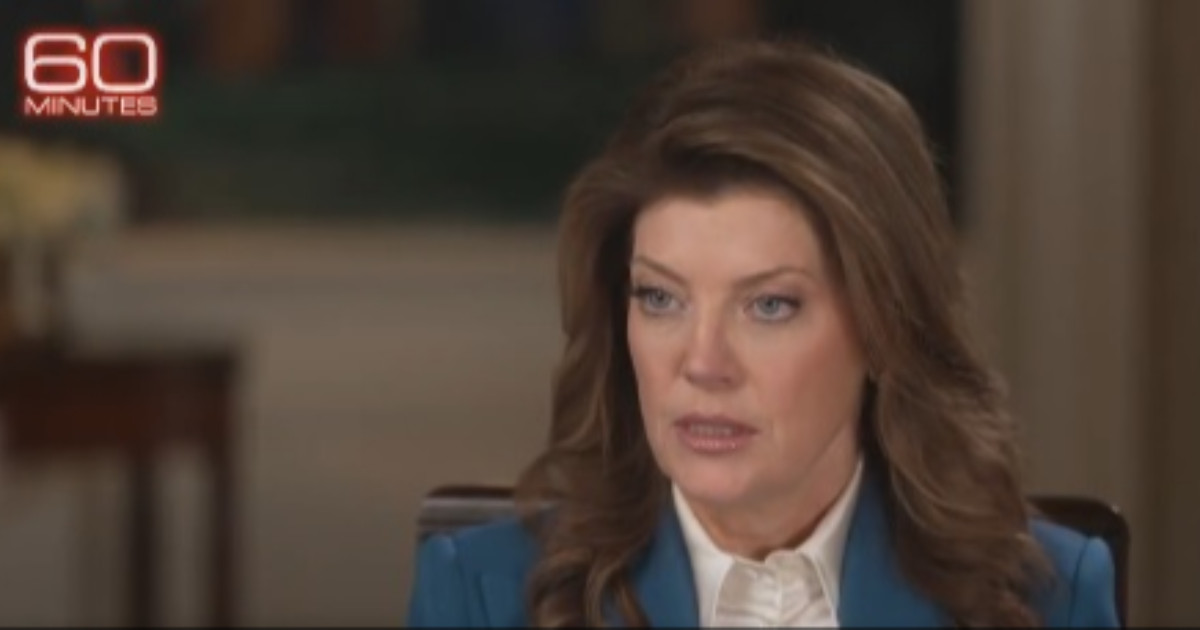
President Trump criticized CBS after Norah O'Donnell read allegations from a manifesto linked to a suspect in an armed incident near the White House Correspondents' Dinner. He rejected the claims and called airing them shameful as investigators probe motive.Summary
WASHINGTON — U.S. President Donald Trump has sharply criticized CBS News after a tense exchange during an interview in which a journalist read out allegations from a manifesto linked to a suspect accused in a shooting incident near the White House Correspondents’ Dinner.
The exchange, aired on 60 Minutes, featured anchor Norah O'Donnell quoting claims made in a written document attributed to the suspect. The document broadly accused “administration officials” of serious crimes, prompting an immediate and forceful response from Trump during the interview.
Armed incident raises the stakes of media exchange
“I read the manifesto. You know, he's a sick person. But you should be ashamed of yourself reading that because I'm not any of those things,” Trump said, rejecting the claims and criticizing the decision to air them.
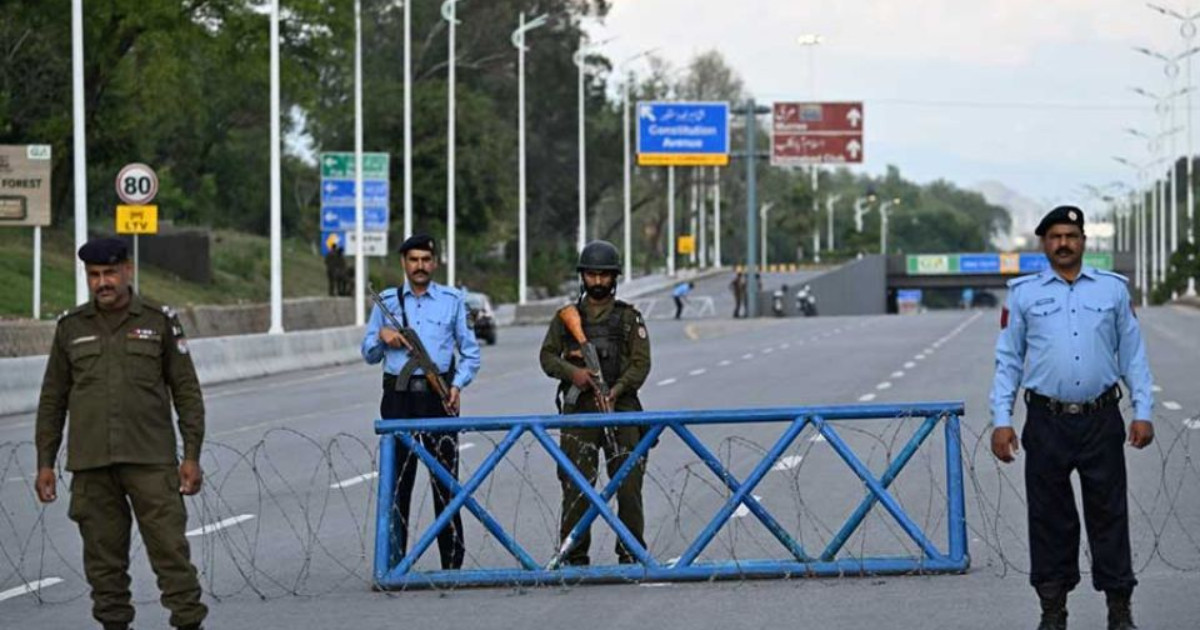
The remarks came in the aftermath of a reported armed incident on April 25 near the venue of the White House Correspondents’ Dinner, an annual gathering of journalists, political leaders, and public figures in Washington. According to multiple publicly reported accounts, a suspect carrying weapons was intercepted after shots were fired in the vicinity, and at least one law enforcement officer was struck by protective gear but survived.
Authorities have indicated that the suspect’s actions are being investigated as potentially politically motivated. A written statement or manifesto attributed to the individual has become a focal point in both the investigation and subsequent media coverage, though its claims remain unverified.
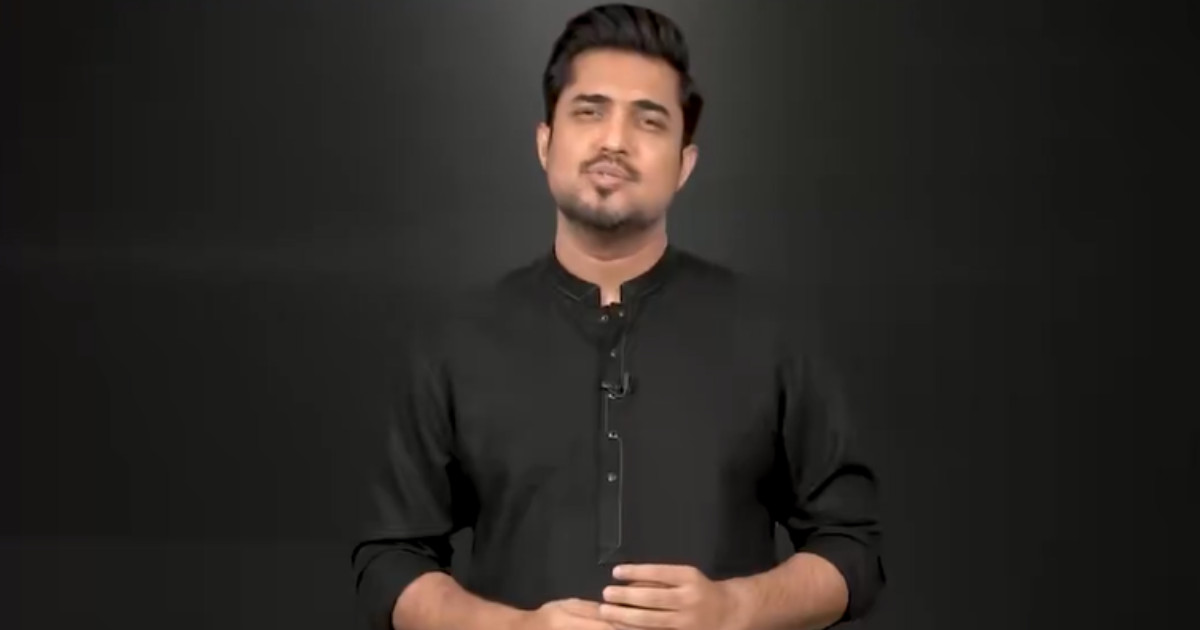
The gunman who attempted to storm the White House Correspondents’ Dinner wrote a letter explaining his actions and accusing "Administration officials" broadly of various serious crimes. When Norah O'Donnell read this list of crimes to President Trump, he was offended.
— 60 Minutes (@60Minutes) April 26, 2026
“I read… pic.twitter.com/H0NKCc2oUK
Editorial decisions under scrutiny
The decision by CBS to include excerpts from the document during a high-profile interview has triggered debate within U.S. media circles about the boundaries of responsible reporting. News organizations often face competing imperatives: providing context about motives in acts of violence while avoiding amplification of unverified or extremist narratives.
CBS framed the segment as part of a broader discussion on political rhetoric and security risks surrounding high-profile events. However, the exchange has drawn criticism from some quarters, with concerns that repeating such material, even in a journalistic context, can lend visibility to harmful claims.
The incident has also intensified scrutiny of security arrangements at major media-political gatherings. Reports have raised questions about whether the White House Correspondents’ Dinner had sufficient federal security designation and preparedness, given the presence of senior officials and prominent journalists.
Wider implications for media and safety
The controversy highlights how quickly coverage of violent incidents can intersect with debates over journalistic ethics. In recent years, several major outlets have updated internal guidelines on reporting perpetrators’ manifestos, often limiting direct quotations to avoid inadvertently amplifying their messages.
For journalists covering politically sensitive events, the episode underscores the challenges of balancing transparency with editorial restraint. It also reflects the growing risks surrounding media-linked public events, where security considerations are increasingly intertwined with political tensions.
WHY THIS MATTERS: The episode offers a timely lesson for Pakistani newsrooms navigating coverage of extremism and political violence. It underscores the need for clear editorial policies on handling manifestos and unverified claims, especially in broadcast interviews. It also highlights the importance of security awareness for media events, a concern that is becoming increasingly relevant across regions.
ATTRIBUTION: Reporting by JournalismPakistan, based on publicly available statements, video released by CBS News on April 26, 2026, and reports by Reuters and The Washington Post on April 26, 2026.
PHOTO: CBS News/60 Minutes (via X)
Key Points
- Trump publicly condemned CBS after allegations from a manifesto were read on 60 Minutes.
- Anchor Norah O'Donnell quoted claims attributed to a suspect linked to the armed incident.
- The armed incident occurred near the White House Correspondents' Dinner and involved shots fired; a law enforcement officer was struck by protective gear but survived.
- Authorities are investigating the suspect, the manifesto and whether the actions were politically motivated.
- Trump rejected the manifesto's claims and criticized the decision to air them as shameful.
Key Questions & Answers
What did President Trump say about the broadcast?
He condemned CBS for airing allegations from the manifesto, rejected the claims as false and called broadcasting them shameful.
Why did CBS read material from the manifesto on air?
An anchor on 60 Minutes quoted claims attributed to the suspect as part of reporting on the armed incident and the document that emerged in the investigation.
Was anyone injured in the incident near the Correspondents' Dinner?
Reports say shots were fired and at least one law enforcement officer was struck by protective gear but survived; authorities are investigating.
Are investigators treating the incident as politically motivated?
Authorities have indicated they are investigating whether the suspect's actions were politically motivated and are probing the manifesto's origins and claims.
Ask AI: Understand this story your way
AI EnabledDig deeper, ask anything — get instant context, background, and clarity.
Disclaimer: This feature is powered by AI and is intended to help readers explore and understand news stories more easily. While we strive for accuracy, AI-generated responses may occasionally be incomplete or reflect limitations in the underlying model. This feature does not represent the editorial views of JournalismPakistan. For our full, verified reporting, please refer to the original article.