
Tunisia detains journalist, escalating press crackdown
JournalismPakistan.com | Published: 28 April 2026 | JP Global Monitoring
Join our WhatsApp channel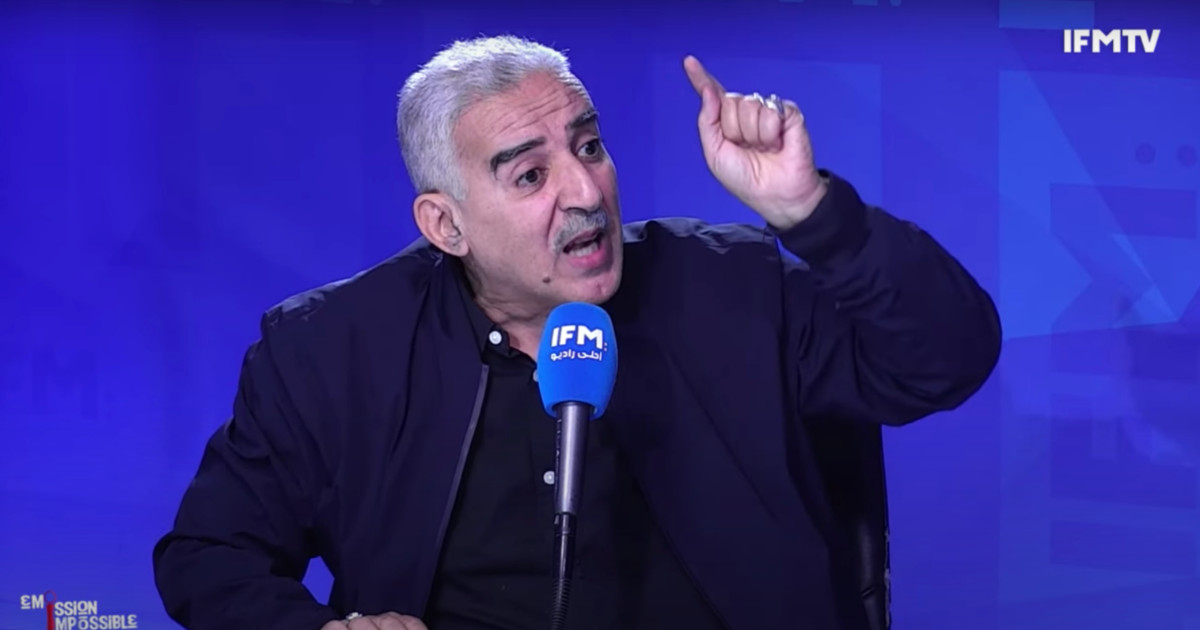
Tunisian authorities detained journalist Zied el-Heni over a social media post criticizing a court ruling and opened an investigation under Article 86. He has begun a hunger strike and is due to face trial on April 30, raising press freedom concerns.Summary
TUNIS — Tunisian authorities have placed prominent journalist Zied el-Heni in pretrial detention over a social media post criticizing a judicial decision, intensifying concerns about the country’s deteriorating press freedom environment.
El-Heni, editor-in-chief of the independent outlet Tunisian Press, was arrested on April 24 after responding to a summons by the Fifth Central Unit for Combating Information and Communication Technology Crime in the capital. His detention stems from a post in which he criticized a ruling involving fellow journalist Ghassen Ben Khelifa.
Legal case centers on controversial cybercrime provision
He is being investigated under Article 86 of Tunisia’s telecommunications code, a provision that carries penalties of up to two years in prison. Press freedom groups have repeatedly warned that the law is overly broad and increasingly used to target online expression, particularly criticism of public officials or judicial actions.
According to information shared with the Committee to Protect Journalists (CPJ), El-Heni began a hunger strike on April 26 to protest his detention. His trial is scheduled to begin on April 30. Authorities have not publicly commented on the case.
Advocates argue that applying criminal statutes such as Article 86 to journalistic expression undermines Decree-Law 115, which stipulates that journalists should be prosecuted under press laws rather than general criminal provisions.
Pattern of prosecutions raises alarm
El-Heni’s case is not isolated. In recent months, Tunisian authorities have pursued multiple legal actions against journalists. On March 30, 2026, journalist Ghassen Ben Khelifa was sentenced to two years in prison in a case dating back to 2022. Earlier in April, journalist Sonia Dahmani was sentenced to 18 months in prison, though both remain at liberty pending further legal action.
El-Heni himself has faced repeated legal pressure. In 2023, he was arrested twice over remarks made during a radio program and later received a six-month suspended sentence. He is currently being held at Mornaguia prison in Tunis.
The CPJ has called for his immediate release, warning that the use of vaguely defined legal provisions signals a broader pattern of judicial harassment targeting journalists and restricting critical reporting.
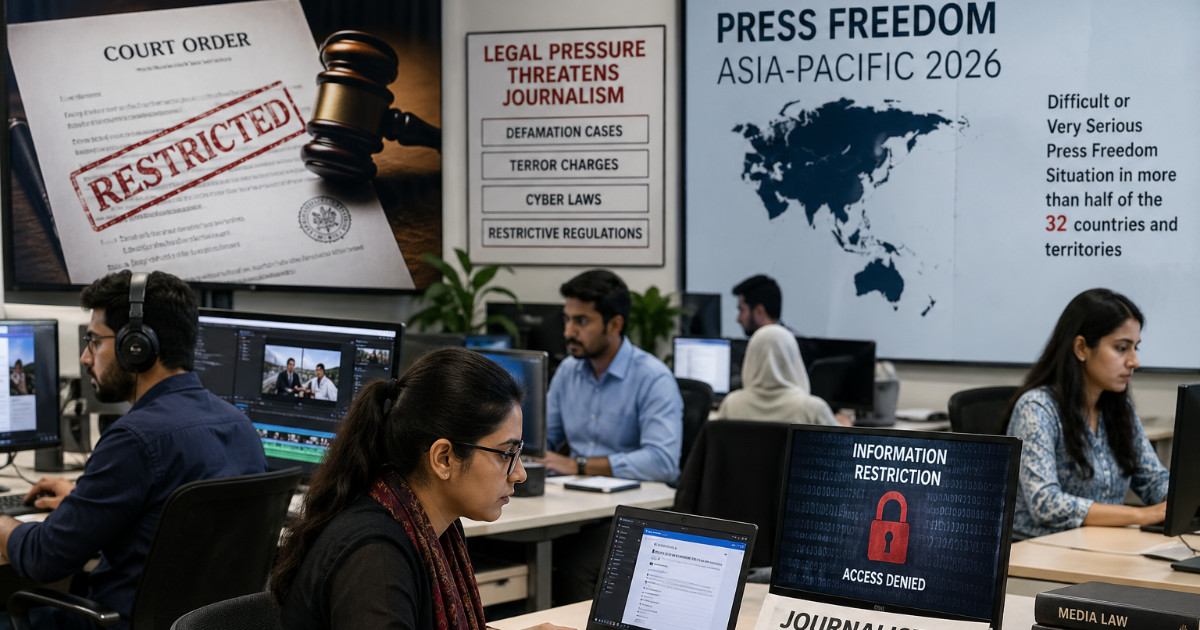
WHY THIS MATTERS: Tunisia’s increasing reliance on cybercrime and criminal laws to prosecute journalists highlights a global trend that could influence regulatory approaches elsewhere. For Pakistani media professionals, it underscores the risks of broadly worded digital laws being used against journalists and the importance of clear legal protections for press freedom in the digital space.
ATTRIBUTION: Reporting by JournalismPakistan, based on publicly available statements from the Committee to Protect Journalists (April 28, 2026) and local journalist accounts cited by CPJ (April 2026).
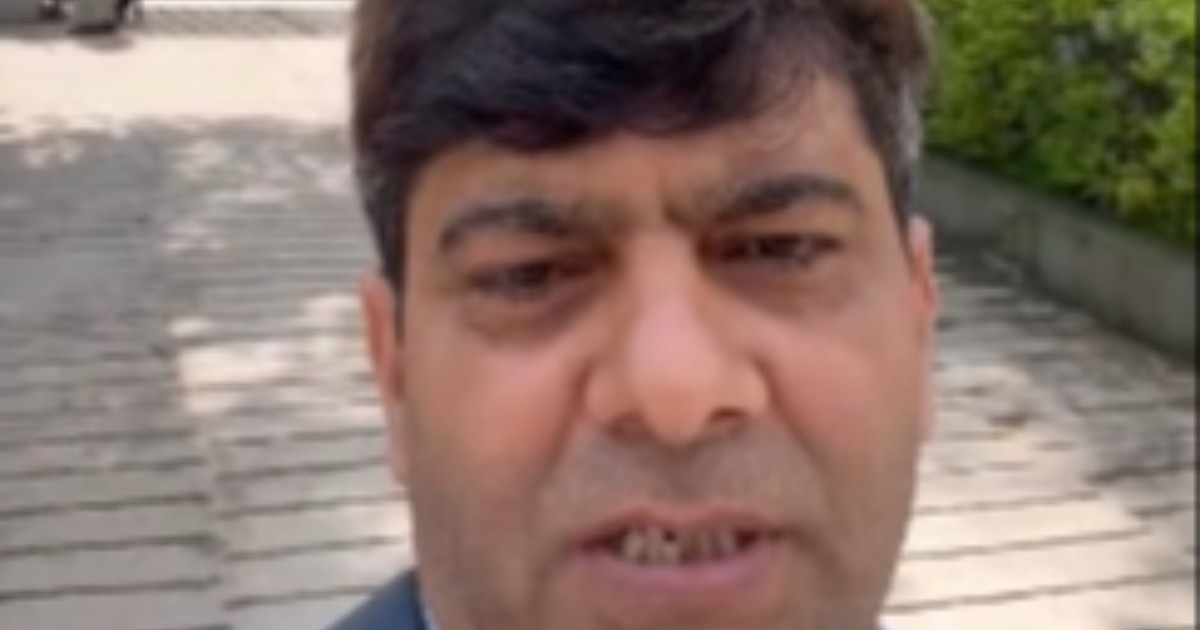
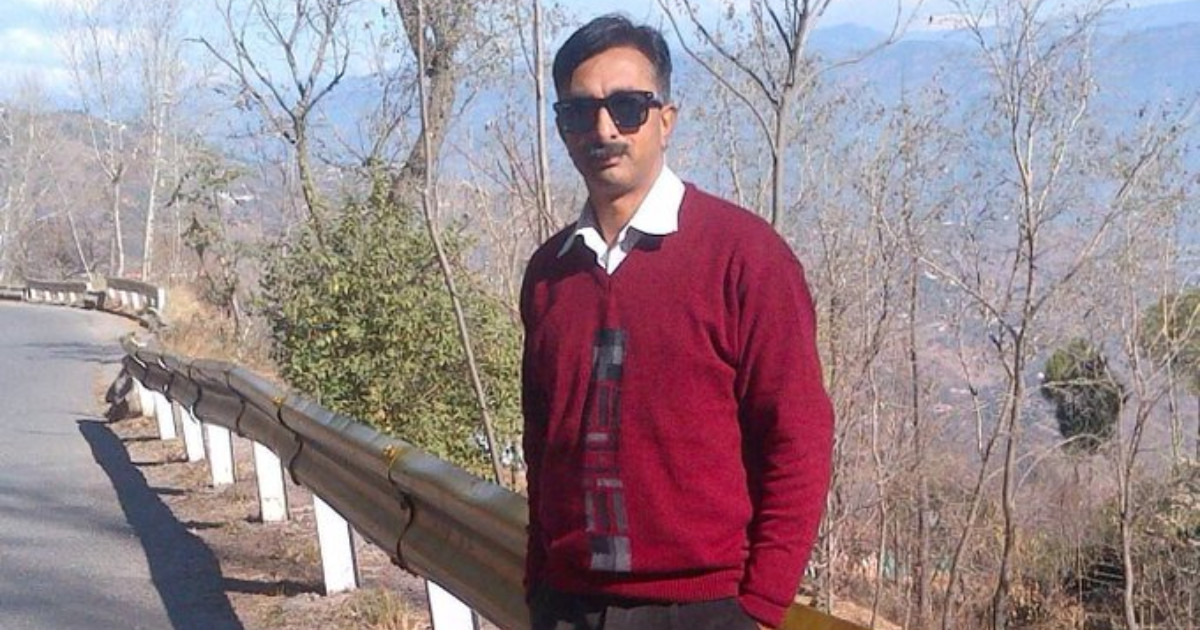
PHOTO: (Screenshot: YouTube/IFM/Circulated by CPJ)
Key Points
- Editor Zied el-Heni was arrested on April 24 after responding to a summons by a cybercrime unit.
- He faces investigation under Article 86 of the telecommunications code, which carries up to two years in prison.
- El-Heni began a hunger strike on April 26 to protest his pretrial detention.
- His trial is scheduled for April 30 amid warnings that the law is used to curb online expression.
- Press groups say applying criminal statutes to journalists undermines provisions in Decree-Law 115.
Key Questions & Answers
Why was Zied el-Heni detained?
He was arrested after a social media post criticizing a judicial ruling and is being investigated under Article 86 of the telecommunications code.
What penalties does Article 86 carry?
Article 86 is a cybercrime provision that can carry up to two years in prison and has been criticized as overly broad and prone to misuse against online expression.
When is his trial and has he taken any protest action?
His trial is scheduled for April 30; according to reports he began a hunger strike on April 26 to protest his detention.
How have press freedom groups responded?
Advocates warn that using general criminal laws against journalists undermines press laws and signals a wider pattern of prosecutions that threaten media freedom.
Relevant Topics
Ask AI: Understand this story your way
AI EnabledDig deeper, ask anything — get instant context, background, and clarity.
Disclaimer: This feature is powered by AI and is intended to help readers explore and understand news stories more easily. While we strive for accuracy, AI-generated responses may occasionally be incomplete or reflect limitations in the underlying model. This feature does not represent the editorial views of JournalismPakistan. For our full, verified reporting, please refer to the original article.