
Three tragedies that shook the media world last week
JournalismPakistan.com | Published: 30 March 2026 | JP Staff Report
Join our WhatsApp channel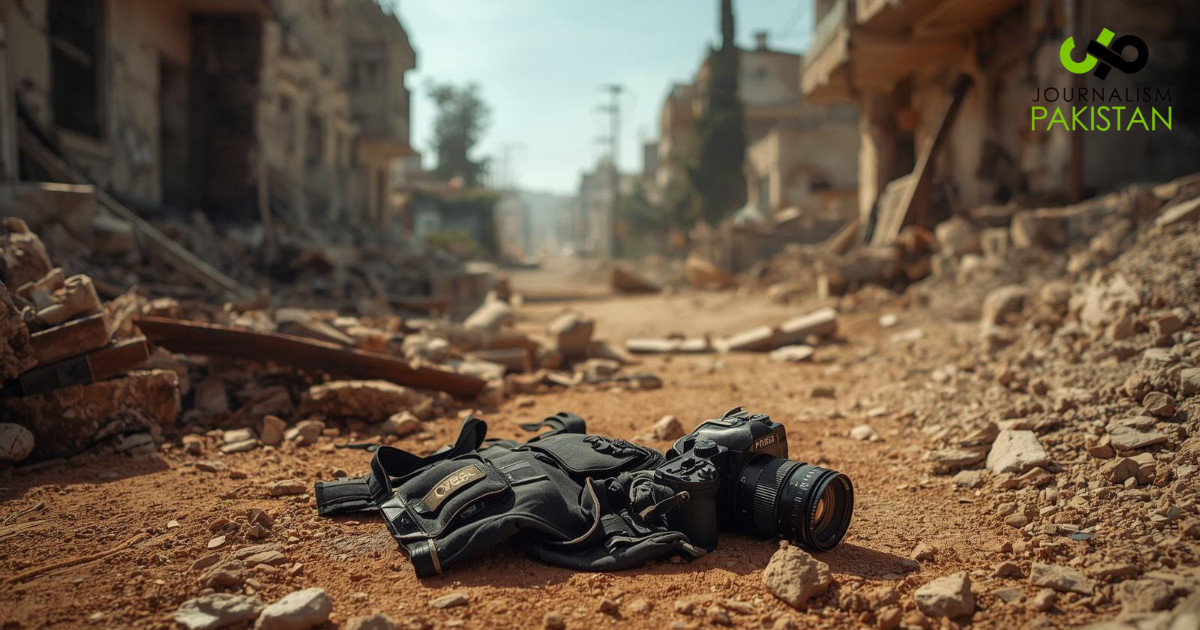
Three major incidents last week, including journalist killings in Lebanon and a court ruling in the Philippines, underscore rising global threats to press freedom, from violence in conflict zones to legal pressure on independent reporting.Summary
ISLAMABAD — A series of deadly attacks and legal actions against journalists last week has underscored escalating threats to media workers worldwide, from conflict zones in the Middle East to courtrooms in Southeast Asia.
The incidents, spanning Lebanon and the Philippines, reflect a troubling pattern of violence, detention, and legal pressure targeting journalists engaged in frontline reporting and community-focused coverage.
Killing in Nabatieh sparks accountability calls
The Committee to Protect Journalists called for an impartial investigation into the killing of Lebanese freelance journalist Hussain Hamood, who died in an Israeli strike on the southern city of Nabatieh on March 25.
Hamood, who worked with Al-Manar TV as a photojournalist and camera operator, was reportedly filming Israeli attacks at the time of the strike. In a statement issued March 26, CPJ said the killing highlights the growing dangers faced by journalists covering escalating hostilities and urged Israel to uphold international legal obligations to protect media workers.
CPJ’s regional leadership said Hamood died while documenting the impact of conflict on civilians, reinforcing concerns about the safety of journalists operating in active war zones.
Philippine court ruling deepens press freedom concerns
In the Philippines, a court upheld the conviction of community journalist Frenchie Mae Cumpio on charges related to terrorism financing and denied her request for bail, prompting condemnation from international press freedom groups.
Cumpio, a radio broadcaster based in Tacloban City, has been detained since February 2020 over alleged links to the Communist Party of the Philippines and its armed wing. She has consistently denied the allegations, stating that the charges are politically motivated and tied to her reporting on marginalized communities.
CPJ criticized the ruling, warning that it reflects a broader pattern of using counterterrorism laws to target independent journalism. Media advocacy groups have also raised concerns about the Philippines’ Anti-Terrorism Act, saying its provisions risk being used to criminalize legitimate reporting.
Airstrike kills three journalists in southern Lebanon
In a separate incident, an Israeli airstrike in southern Lebanon killed three journalists, intensifying fears about the safety of media workers covering the widening regional conflict.
The strike in the Jezzine district targeted a reporting team, killing Ali Shaib of Al-Manar TV and Fatima Ftouni of Al-Mayadeen, along with cameraman Mohammed Ftouni.
Lebanese officials condemned the attack, with President Joseph Aoun describing it as a violation of international protections for journalists. Israeli military statements acknowledged the strike and alleged links between one of the victims and Hezbollah intelligence, a claim rejected by Lebanese authorities and media organizations.
The killings come amid intensified cross-border hostilities involving Israeli forces and Hezbollah, with journalists increasingly exposed to frontline risks.
WHY THIS MATTERS: These incidents highlight the dual threats facing journalists globally: physical danger in conflict zones and legal pressure through broad security laws. For Pakistani media professionals, the cases underline the importance of safety protocols in hostile environments and vigilance against legal frameworks that could be used to curb independent reporting.
ATTRIBUTION: Information cited from publicly available reporting by Reuters (March 26–30, 2026) and a publicly available statement issued by the Committee to Protect Journalists (March 26, 2026).
PHOTO: AI-generated; for illustrative purposes only.
Key Points
- Lebanese freelance photojournalist Hussain Hamood was killed in an Israeli strike in Nabatieh on March 25.
- The Committee to Protect Journalists urged an impartial investigation and called for the protection of media workers.
- A Philippine court upheld the conviction of community journalist Frenchie Mae Cumpio and denied her bail.
- Three journalists were killed in a single targeted Israeli airstrike in southern Lebanon while reporting from the field.
Key Questions & Answers
Who was Hussain Hamood?
Hussain Hamood was a Lebanese freelance photojournalist and camera operator who worked with Al-Manar TV and was killed in Nabatieh on March 25 while documenting strikes.
What did the Committee to Protect Journalists call for?
CPJ called for an impartial investigation into Hamood's killing and urged authorities to uphold legal obligations to protect journalists working in conflict zones.
What happened in the Philippines?
A court upheld the conviction of community broadcaster Frenchie Mae Cumpio on charges related to alleged terrorism financing and denied her request for bail; the ruling drew condemnation from press freedom groups.
Why were three journalists killed in southern Lebanon?
They were killed in an Israeli airstrike while covering ongoing hostilities between Israeli forces and Hezbollah-linked groups, highlighting the extreme dangers journalists face in active war zones.
Relevant Topics
Ask AI: Understand this story your way
AI EnabledDig deeper, ask anything — get instant context, background, and clarity.
Disclaimer: This feature is powered by AI and is intended to help readers explore and understand news stories more easily. While we strive for accuracy, AI-generated responses may occasionally be incomplete or reflect limitations in the underlying model. This feature does not represent the editorial views of JournalismPakistan. For our full, verified reporting, please refer to the original article.