
Understanding 2FA and cybersecurity basics for freelancers
JournalismPakistan.com | Published: 21 January 2026 | JP Staff Report
Join our WhatsApp channel
Freelance journalists use online tools, making account compromise a serious risk. Enabling two-factor authentication (2FA) and basic cybersecurity reduces unauthorized access to email, messaging, cloud storage and unpublished work.Summary
ISLAMABAD— Freelance journalists increasingly rely on digital tools to report, communicate, and publish, making cybersecurity a core professional skill rather than a technical afterthought. From email accounts and cloud storage to messaging apps and social media, a single compromised login can expose sources, unpublished work, and personal data.
Two-factor authentication, commonly known as 2FA, is one of the most effective and accessible defenses against account takeovers. Understanding how 2FA works and how it fits into broader cybersecurity basics can help freelancers reduce risk without specialized technical knowledge.
What two-factor authentication actually does
Two-factor authentication adds a second step to the login process beyond a password. After entering a username and password, the user must confirm their identity using something they have or something they are, such as a temporary code sent to a device, a prompt in an authentication app, or a physical security key.
This extra step matters because passwords alone are vulnerable to phishing, data breaches, and reuse across multiple sites. Publicly documented research from cybersecurity agencies and academic institutions consistently shows that 2FA significantly reduces the success rate of unauthorized logins, even when passwords are compromised.
For journalists, the protection offered by 2FA is particularly relevant when handling sensitive communications. Email accounts, encrypted messaging services, and document-sharing platforms often act as gateways to multiple other services, making them high-value targets.
Common 2FA methods and their trade-offs
Not all forms of 2FA offer the same level of protection. Text message codes are widely available and better than no second factor, but they can be vulnerable to SIM swapping and interception. Authentication apps that generate time-based codes are generally considered more secure and do not rely on cellular networks.
Hardware security keys provide the strongest protection among commonly available options by requiring a physical device to complete the login. However, they may be less practical for some freelancers due to cost or availability. Choosing a method involves balancing security, usability, and access to backup options if a device is lost.
Enabling 2FA is only effective if recovery settings are also reviewed. Backup codes should be stored securely offline, and account recovery email addresses should themselves be protected with strong passwords and 2FA.
Cybersecurity basics beyond 2FA
While 2FA is a cornerstone, it works best as part of a broader set of basic practices. Using unique, long passwords for every account prevents a breach on one service from spreading to others. Password managers are widely recommended by digital security experts because they reduce the need to remember or reuse passwords.
Keeping devices and applications updated is another critical step. Software updates often include patches for publicly disclosed vulnerabilities, and delaying them increases exposure to known attacks. This applies equally to laptops, smartphones, browsers, and plugins.
Freelancers should also be cautious about links and attachments, especially in unsolicited emails or messages that create urgency. Phishing remains one of the most common and well-documented attack methods against journalists and media workers globally.
Why these practices matter for freelancers
Unlike staff reporters, freelancers often manage their own security without institutional support. This makes simple, proven measures even more important. A compromised account can disrupt work, damage credibility, and in some cases expose confidential sources or unpublished investigations.
Cybersecurity does not eliminate risk, but it reduces it to a manageable level. By combining 2FA with basic digital hygiene, freelance journalists can protect their work and sources while maintaining the flexibility their careers require.
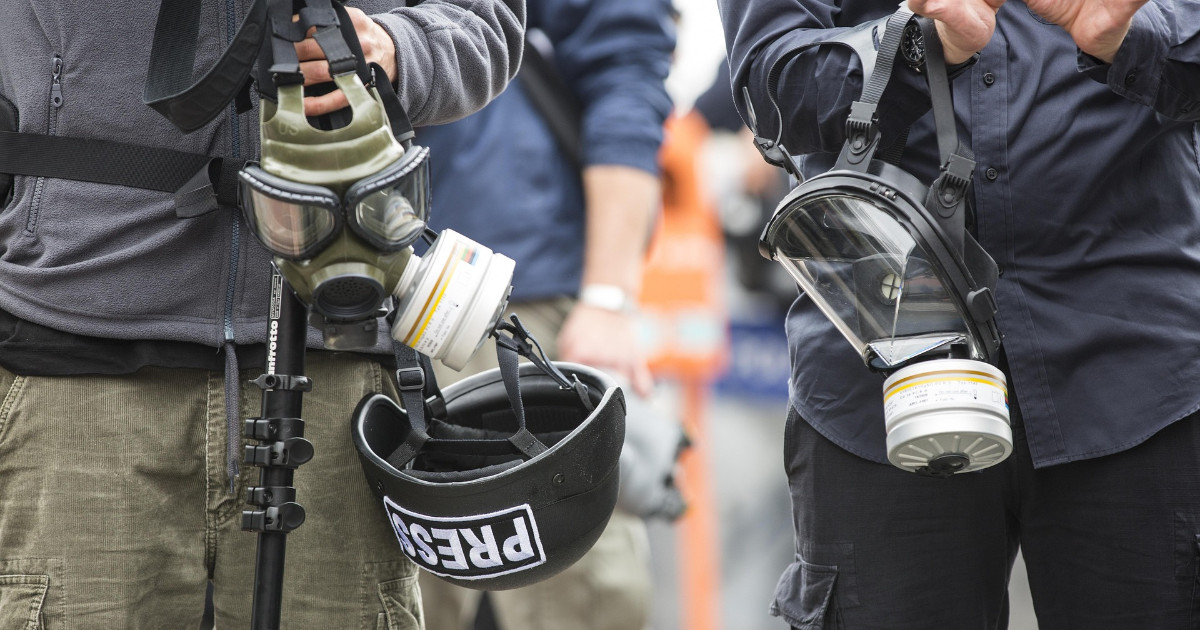
PHOTO: by StartupStockPhotos from Pixabay
Key Points
- Adds a second verification step (code, app prompt, or security key) beyond passwords to prevent account takeovers.
- Common methods include SMS codes, authenticator apps, and hardware security keys; apps and keys are stronger than SMS.
- 2FA significantly lowers successful phishing and credential-stuffing attacks even if passwords are exposed.
- Prioritize enabling 2FA on email, cloud storage, messaging apps and social accounts that can reset other services.
- Use authenticator apps, register backup codes, and secure physical security keys or trusted devices.
Relevant Topics
Ask AI: Understand this story your way
AI EnabledDig deeper, ask anything — get instant context, background, and clarity.
Disclaimer: This feature is powered by AI and is intended to help readers explore and understand news stories more easily. While we strive for accuracy, AI-generated responses may occasionally be incomplete or reflect limitations in the underlying model. This feature does not represent the editorial views of JournalismPakistan. For our full, verified reporting, please refer to the original article.