
Report launch: Government endorses most recommendations of Media Commission
JournalismPakistan.com | Published: 21 January 2015
Join our WhatsApp channel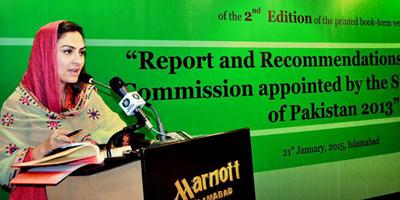
The Pakistani government has accepted 90-95% of the Media Commission's recommendations. Chairperson Marvi Memon emphasized the importance of timely media reforms and journalist security.Summary
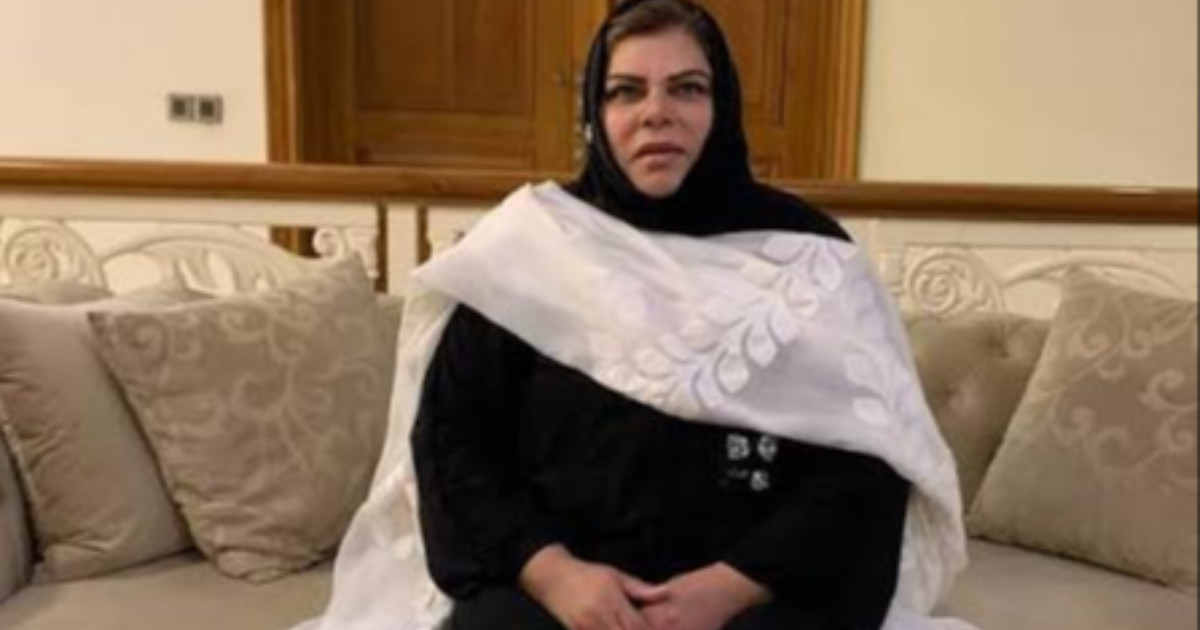
ISLAMABAD: The government has endorsed 90 to 95 percent recommendations of the Media Commission's report that calls for radical reforms in the media industry, Chairperson National Assembly Standing Committee on Information, Broadcasting and National Heritage, Marvi Memon said on Wednesday.
She was speaking at the launch of the second edition of, “Report and Recommendations of the Media Commission”. The commission was constituted by the Supreme Court of Pakistan in 2013.
Wednesday's event was organized by German foundation Friedrich Ebert Stiftung. “Ministry of Information has also worked on the report but implementation would require effort of all the stakeholders,” Marvi added.
Considering the importance of building common narrative on extremism and terrorism in the society, she stressed the need to immediatly form a consultative body which includes all stakeholders from media, government and civil society. She recommended that the commission suggest ways and means of keeping social media in check.
Marvi said that security of journalists must concern all stakeholders. She said that it is the collective responsibility of media organizations and the government to provide security to journalists who risk their lives while breaking news.
She said that the country is passing through a critical phase and the role of media has become very important at this juncture. “Pakistani media is entering into a new era and it should know all the prerequisites of this time to effectively cope with the challenges,” she added.
Member Media Commission Senator Javed Jabbar, Executive Director Society for Alternative Media and Research Mazhar Arif, Resident Director FES Pakistan Philipp Kauppert and others also spoke on the occasion.
The speakers called for improved self-censorship, feedback, ethics and language which is getting weaker while corporate interests are getting importance in some media houses.
Editors, reporters, anchors and members of civil society criticised certain policies regarding media and demanded that PEMRA should be an independent institution.
Key Points
- Government endorsed 90-95% of Media Commission's recommendations.
- Event organized by Friedrich Ebert Stiftung to launch report's second edition.
- Marvi Memon highlighted the need for a consultative body for media and civil society.
- Calls for improved self-censorship and ethics in media.
- PEMRA should operate as an independent institution.
Relevant Topics
Ask AI: Understand this story your way
AI EnabledDig deeper, ask anything — get instant context, background, and clarity.
Disclaimer: This feature is powered by AI and is intended to help readers explore and understand news stories more easily. While we strive for accuracy, AI-generated responses may occasionally be incomplete or reflect limitations in the underlying model. This feature does not represent the editorial views of JournalismPakistan. For our full, verified reporting, please refer to the original article.