
Pakistan opens visa-on-arrival for foreign journalists
JournalismPakistan.com | Published: 10 April 2026 | JP Staff Report
Join our WhatsApp channel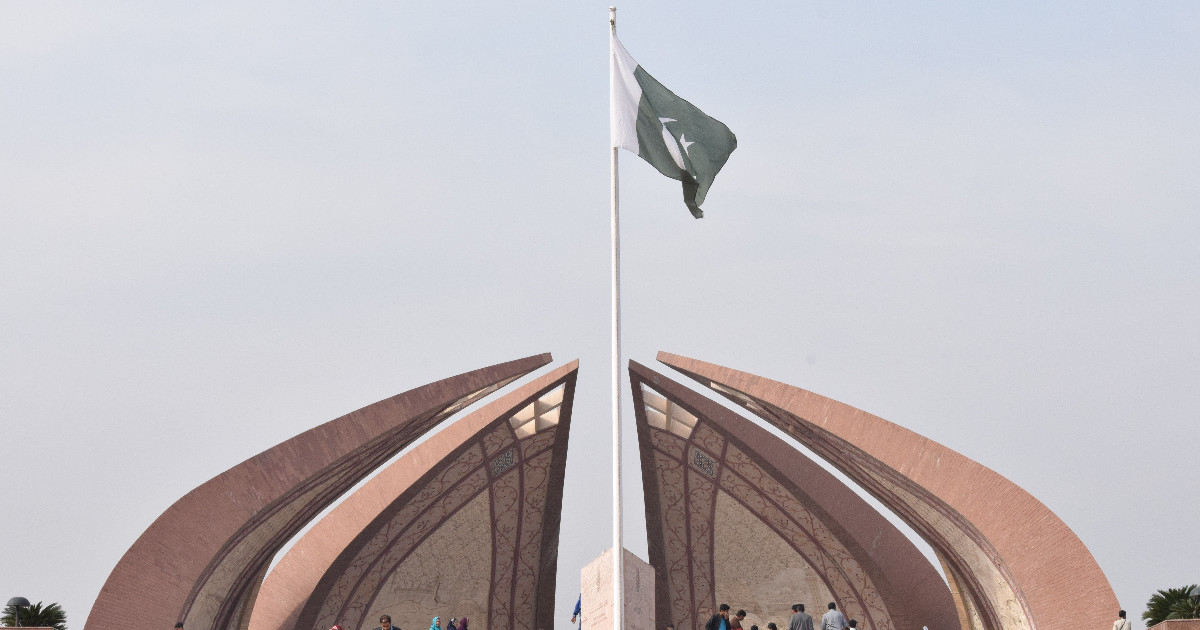
Pakistan will grant visa-on-arrival to foreign journalists and delegates for the Islamabad Talks 2026; airlines may board attendees without prior visas. Officials say immigration will issue visas on arrival, while local media reportedly face curbs on live reporting.Summary
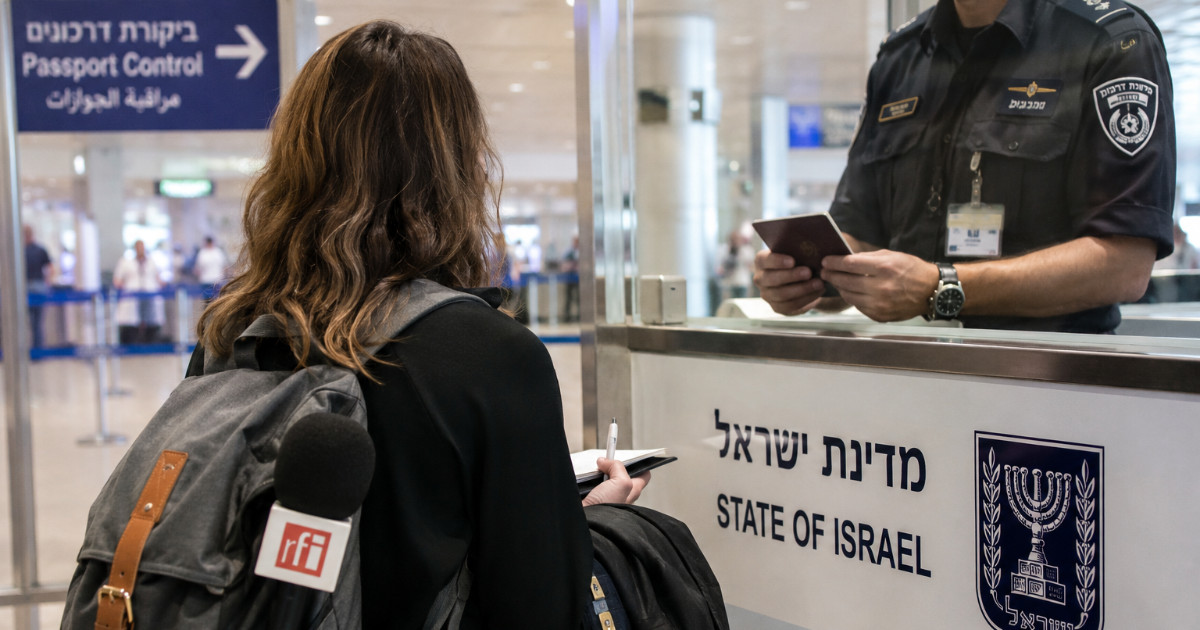
ISLAMABAD — Pakistan has announced visa-on-arrival access for foreign delegates, including journalists, traveling to attend the Islamabad Talks 2026, signaling an effort to facilitate international participation in the high-profile peace negotiations.
Deputy Prime Minister and Foreign Minister Ishaq Dar said in a public statement on X that all airlines allow boarding for individuals connected to the talks without prior visas. He added that immigration authorities would issue visas upon arrival, effectively removing a key logistical barrier for international media and diplomatic delegations.
Visa relief aims to boost global participation
The move appears designed to encourage wider international coverage and attendance at the talks, which are expected to draw attention from multiple countries and global media organizations. Visa-on-arrival provisions are often used to signal openness and streamline access during major diplomatic events.
Officials have not released detailed figures on expected participants or media presence, but the announcement underscores Pakistan’s intent to position the Islamabad Talks as a globally accessible forum.
Pakistan welcomes all delegates including journalists from participating nations, traveling in relation to Islamabad Talks 2026. To this end, all airlines are requested to permit boarding to all such individuals without Visa. Immigration authorities in Pakistan will issue them… pic.twitter.com/mvWJyv2P4s
— Ishaq Dar (@MIshaqDar50) April 10, 2026
Local media face reporting curbs
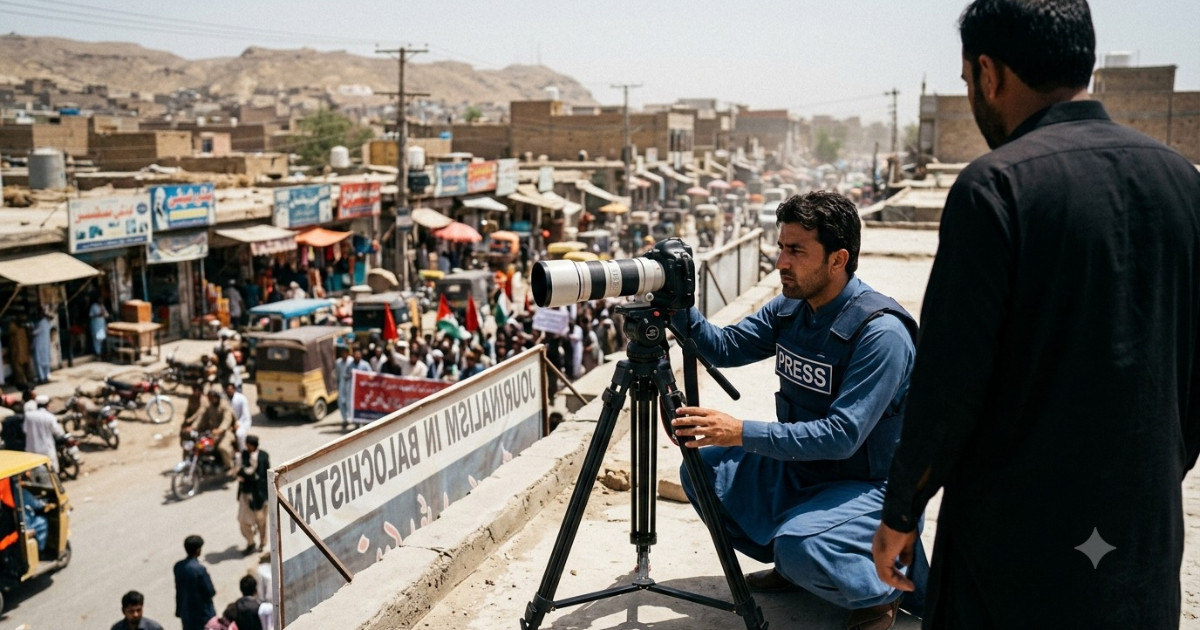
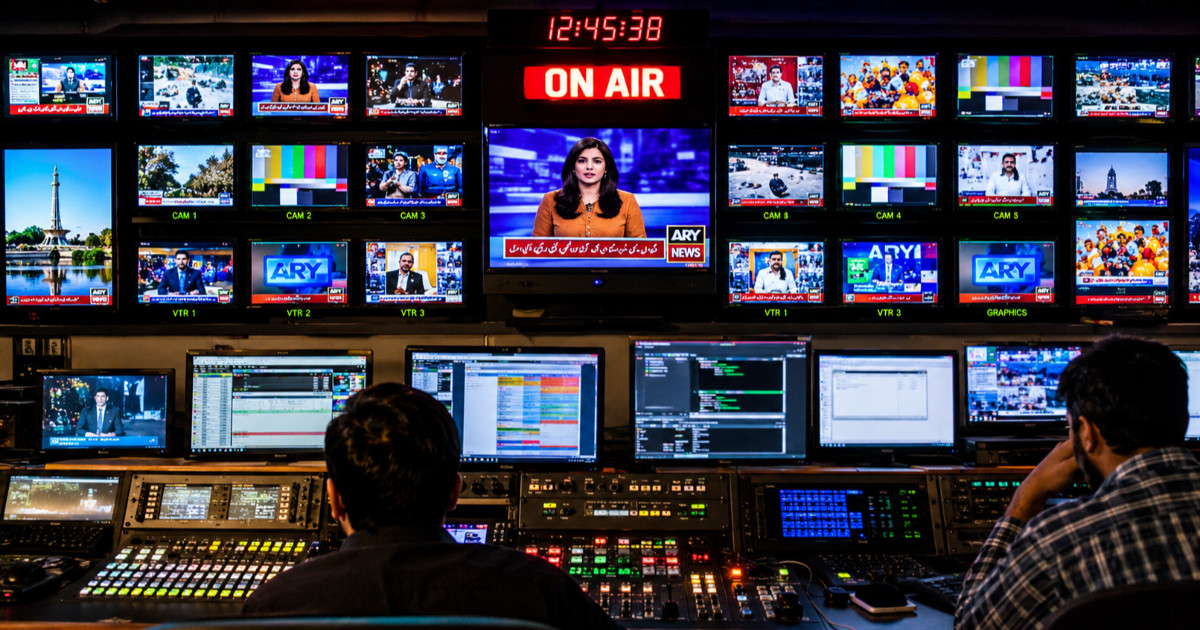
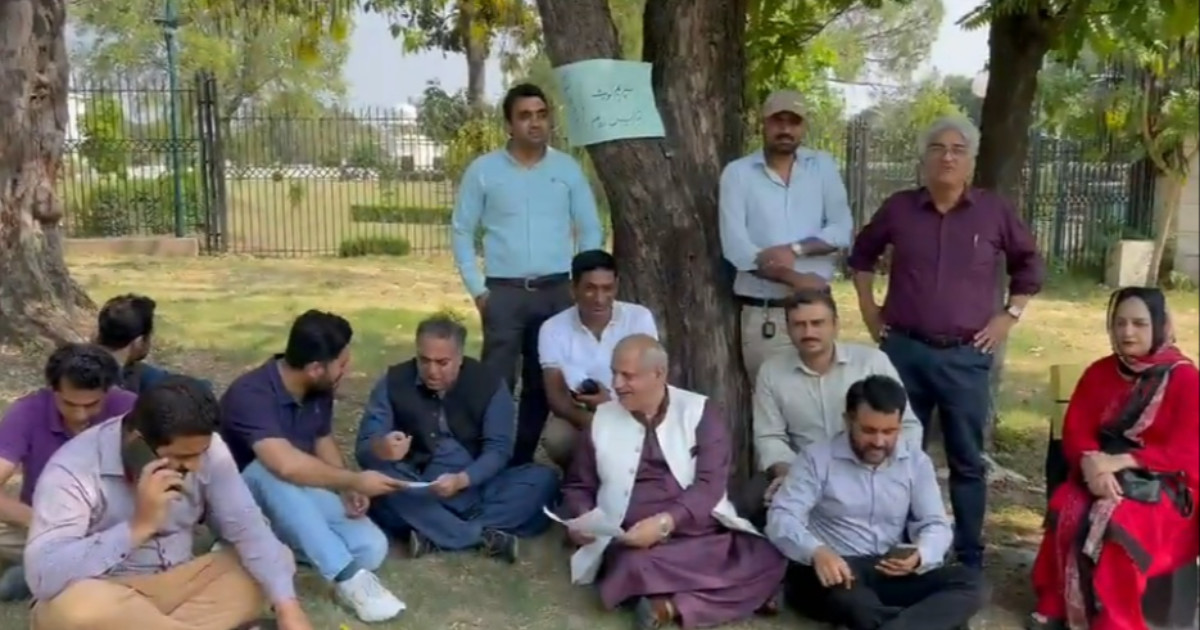
At the same time, some reports within Pakistan indicate that local journalists and television channels have been instructed not to conduct live broadcasts or independently report on the negotiations without prior government approval. According to these accounts, coverage is restricted to officially cleared information. If confirmed, these restrictions would limit real-time reporting by domestic media, even as foreign journalists are being facilitated to enter the country.
The contrasting approach, easing entry for international journalists while tightening control over domestic coverage, raises questions about how information from the talks will be managed and disseminated.
WHY THIS MATTERS: The development highlights a familiar tension for Pakistani media professionals between access and editorial independence. While international coverage may expand due to eased visa rules, restrictions on local reporting could limit firsthand, real-time journalism and reinforce reliance on official narratives.
ATTRIBUTION: Reporting by JournalismPakistan, based on publicly available statements by Ishaq Dar on X (April 2026) and contemporaneous local reports.
PHOTO: By Usman Aslam from Pixabay
Key Points
- Pakistan announced visa-on-arrival for foreign delegates and journalists attending the Islamabad Talks 2026.
- Airlines have been told they may board travellers connected to the talks without prior visas.
- Immigration authorities will issue visas upon arrival to facilitate attendance.
- The measure aims to encourage international participation and media coverage of the talks.
- Domestic journalists reportedly face restrictions on live or independent reporting without government approval.
Key Questions & Answers
Who is eligible for visa-on-arrival?
Foreign delegates and journalists traveling to attend the Islamabad Talks 2026 are eligible; they should be connected to the event.
Do travellers need prior visas to board flights?
No, airlines have been instructed to allow boarding for attendees without prior visas; visas will be issued on arrival.
How will visas be issued on arrival?
Immigration authorities at entry points are expected to process and issue visas upon arrival for eligible attendees.
Are local journalists allowed to report freely?
Reports indicate domestic media are restricted from live or independent coverage without prior government approval.
Relevant Topics
Ask AI: Understand this story your way
AI EnabledDig deeper, ask anything — get instant context, background, and clarity.
Disclaimer: This feature is powered by AI and is intended to help readers explore and understand news stories more easily. While we strive for accuracy, AI-generated responses may occasionally be incomplete or reflect limitations in the underlying model. This feature does not represent the editorial views of JournalismPakistan. For our full, verified reporting, please refer to the original article.