
.png)
Philippine journalists divided over Israel-sponsored media trips
JournalismPakistan.com | Published: 10 August 2026 | JP Asia Desk
Join our WhatsApp channel
A week-long August 2025 visit by 16 Filipino journalists to Israel, hosted by the Israeli Embassy, has split media and civil society in the Philippines over whether sponsored trips undermine press independence amid limits on Gaza access.Summary
MANILA — A debate over the ethics of accepting Israel-sponsored media trips has exposed a widening divide among journalists and media advocates in the Philippines, with critics questioning whether government-funded access can compromise journalistic independence. At the same time, supporters argue that journalists should be free to gather information firsthand.
The controversy centers on a week-long trip to Israel by 16 Filipino journalists in August 2025. The delegation included representatives from television, radio and print media and was invited by the Israeli Embassy in Manila. Israeli officials said the program was intended to allow the journalists to learn about Israeli society, culture and resilience and to visit sites connected with the war that began after the Hamas-led October 7, 2023, attack on Israel.
The trip drew criticism from Philippine media and civil society groups because it took place while Israel continued to restrict independent access by foreign journalists to Gaza. Critics argued that journalists visiting Israel under an organized and sponsored program risked seeing the conflict primarily through the perspective of the host government.
Questions over sponsored access
The controversy is not simply about whether journalists may accept an invitation from a foreign government. It raises a broader question about how journalists should handle access, hospitality and expenses when the organization providing them is itself a central actor in the story being covered.
The Israeli Embassy in Manila openly describes its press operation as assisting journalists traveling to Israel, including written and visual information, meetings and interviews. Such assistance is a normal part of diplomatic media relations. The ethical question arises when extensive hospitality or sponsorship is combined with reporting on an active conflict in which the sponsoring government has a direct political and military interest.
Philippine journalism groups and academics have therefore focused attention on transparency and independence rather than arguing that the journalists necessarily violated a law or professional rule by accepting the invitation.
Danilo Arao, a journalism professor at the University of the Philippines, told PUP Campus Journalists that government-sponsored media visits are not inherently unusual but questioned the timing and circumstances of the Israel trip. He warned that the greater concern was the normalization of invitations, which could affect how journalists approach their reporting.
The National Union of Journalists of the Philippines also criticized the arrangement, arguing that journalists should consider the broader context before accepting invitations sponsored by a government involved in the conflict.
A question of independence
The debate highlights a fundamental principle of journalism: access should not determine the story.
A government can provide access to officials, facilities and locations that journalists might otherwise find difficult to reach. But access also creates the possibility that journalists will encounter a carefully selected set of sources, locations and narratives. The responsibility then falls on reporters and editors to make clear how the access was obtained and to seek independent sources capable of challenging the information provided by the host.
This is particularly significant in war reporting, where competing sides routinely attempt to shape international perceptions.
The issue is further complicated by the fact that foreign journalists have faced severe restrictions on entering Gaza independently since the war began. Israel has cited security considerations for the restrictions, while international media organizations have repeatedly called for unrestricted access.
In April 2026, more than two dozen major international news organizations, including the Associated Press, BBC, CNN, Reuters, The New York Times and The Washington Post, called on Israel to allow independent foreign journalists into Gaza. They argued that direct access was essential for journalists to question official accounts, speak with civilians and independently document conditions on the ground.
The continuing access dispute means that organized visits arranged by Israeli authorities cannot be treated as equivalent to independent reporting from Gaza.
The transparency issue
For Filipino news organizations, the controversy also raises a practical question: how prominently should sponsorship be disclosed to audiences?
Disclosure does not automatically resolve concerns about independence, but it allows readers, viewers and listeners to assess the circumstances in which reporting was produced. It is particularly important when travel, accommodation or other expenses are paid by a government whose actions are the subject of coverage.
The identities of all 16 journalists who participated in the 2025 trip were not publicly disclosed in the reporting examined for this story. That has made it more difficult for audiences to assess which news organizations were represented and whether subsequent coverage clearly disclosed the nature of the trip.
The dispute also illustrates the pressures facing journalists in the Philippines, where news organizations operate under financial constraints and journalists frequently depend on institutional support to undertake reporting outside the country.
But financial realities do not remove the need for editorial safeguards. A sponsored trip may provide legitimate reporting opportunities, while still requiring journalists to maintain distance from the sponsor's preferred narrative.
A wider challenge for war journalism
The Philippine debate reflects a much larger problem confronting international journalism during the Gaza war.
With independent foreign access to Gaza restricted, international news organizations have depended heavily on Palestinian journalists working inside the territory. Those reporters have faced extraordinary risks, including displacement, hunger, injury and death.
The Committee to Protect Journalists has documented the deaths of hundreds of journalists and media workers since the war began, while international media organizations have continued to demand greater protection for journalists and independent access to Gaza.
Against that backdrop, the distinction between independent reporting and controlled access has become increasingly important.
An organized media visit can provide useful information. It can allow journalists to see places, meet people and examine claims that would otherwise be difficult to verify. But it cannot by itself substitute for independent newsgathering. Nor should participation in such a trip create an obligation to reproduce the host government's framing of events.
For Philippine journalists, the dispute ultimately comes down to the same principle that applies to sponsored reporting everywhere: hospitality may open a door, but it cannot dictate what journalists see once they walk through it.
The responsibility remains with the reporter and the newsroom to disclose the circumstances, test competing claims, seek voices that are absent from the official itinerary, and allow evidence rather than sponsorship to determine the story.
ATTRIBUTION: Based on a report by UCA News. Additional context is based on publicly available information from the Embassy of Israel in Manila, PUP Campus Journalists, and international media organizations' statements on independent access to Gaza.
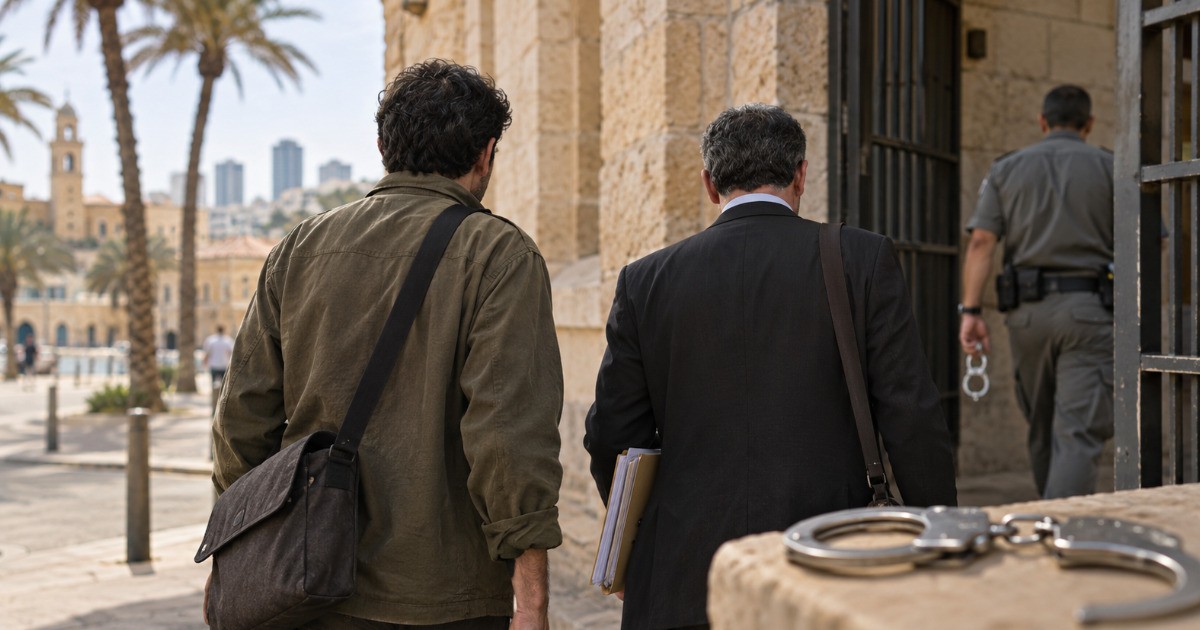
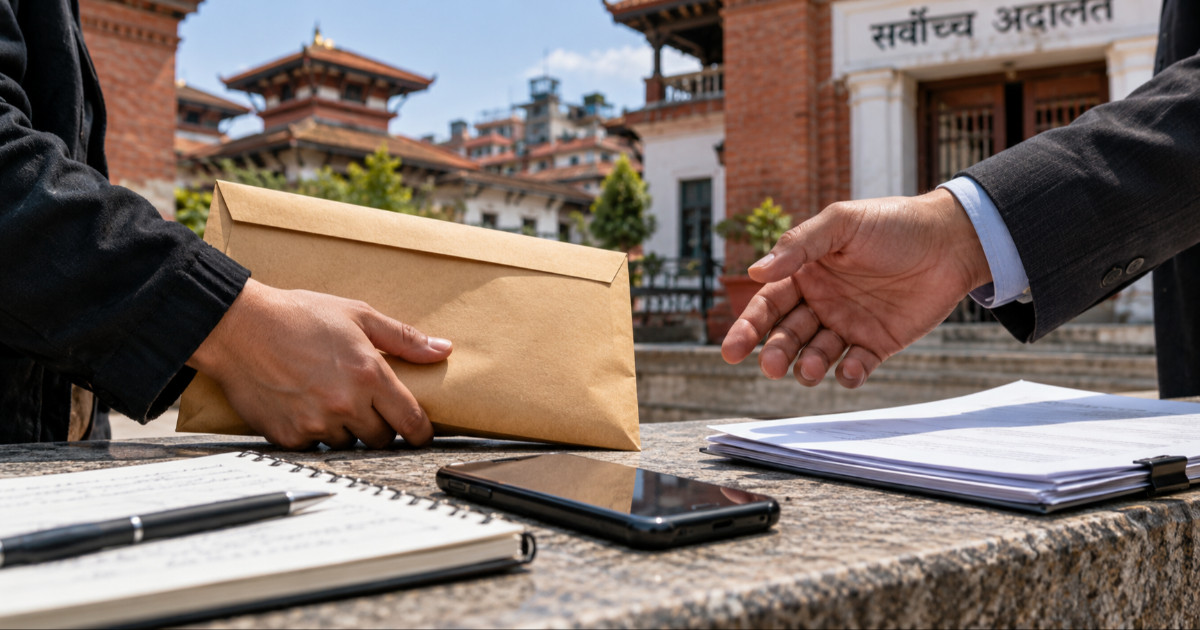
PHOTO: AI-generated; for illustrative purposes only.
Key Points
- Sixteen Filipino journalists took a week-long Israel trip in August 2025 at the invitation of the Israeli Embassy.
- The visit prompted debate over the ethics of accepting government-sponsored media trips.
- Critics point to restricted access to Gaza and the risk of seeing the conflict through the host's perspective.
- Supporters argue journalists should be free to gather firsthand information despite sponsorship.
- The incident raises wider questions about access, hospitality, expenses and editorial independence.
Key Questions & Answers
Is it unethical for journalists to accept government-sponsored trips?
There is no single answer; ethics depend on transparency, editorial control, and whether sponsorship creates dependence or limits critical reporting.
Who organized the trip to Israel?
The Israeli Embassy in Manila organized and invited a delegation of 16 Filipino journalists for the August 2025 visit.
Why have media groups criticized the trip?
Critics say the trip occurred while Israel limited independent reporting from Gaza, raising concerns that sponsored access could present a one-sided view.
How can journalists manage sponsored access ethically?
Journalists can disclose sponsorship, maintain editorial independence, seek diverse sources, and avoid conditions that restrict reporting to preserve credibility.
Relevant Topics
Ask AI: Understand this story your way
AI EnabledDig deeper, ask anything — get instant context, background, and clarity.
Disclaimer: This feature is powered by AI and is intended to help readers explore and understand news stories more easily. While we strive for accuracy, AI-generated responses may occasionally be incomplete or reflect limitations in the underlying model. This feature does not represent the editorial views of JournalismPakistan. For our full, verified reporting, please refer to the original article.