
How journalists in exile are keeping Asian news alive
JournalismPakistan.com | Published: 11 November 2026 | JP Special Report
Join our WhatsApp channel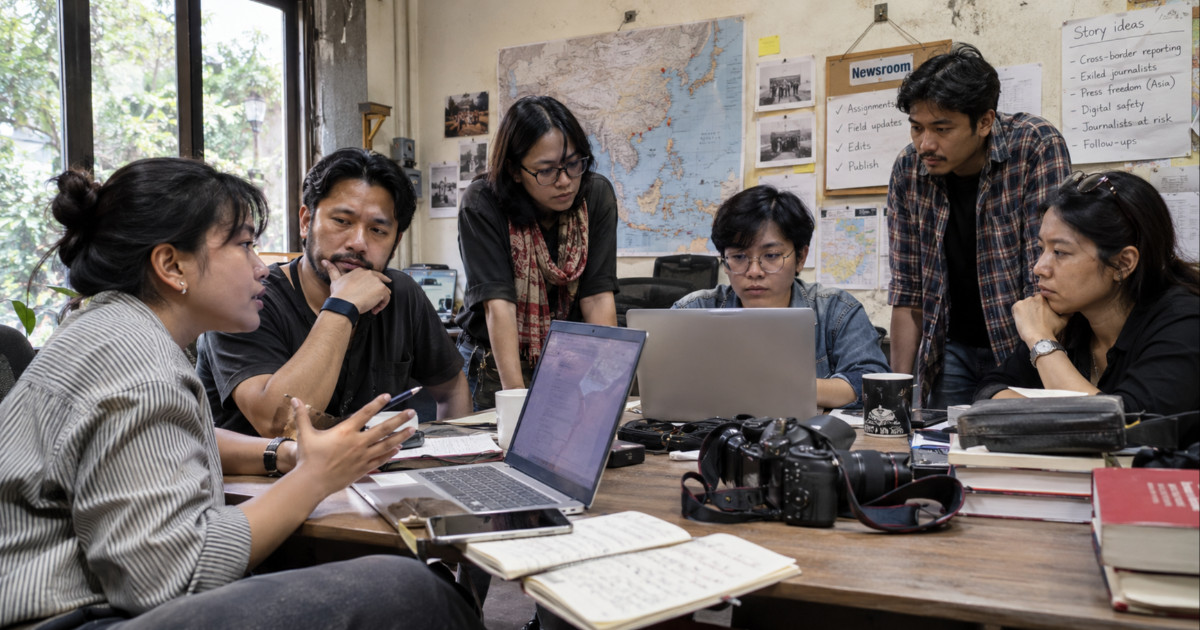
Exiled journalists across Asia, from Myanmar to Afghan reporters abroad, keep independent news alive using border hubs and remote networks. They struggle with chronic funding gaps, surveillance, legal insecurity and tighter regional restrictions.Summary
From Myanmar's border newsrooms to Afghan journalists reporting from abroad, exile has become a means of keeping independent journalism alive. But financial uncertainty, surveillance, legal insecurity and growing restrictions are threatening these operations. The experience of displaced Asian journalists also raises important questions about the responsibilities of neighboring countries, including Pakistan.
ISLAMABAD — In the border town of Mae Sot, Thailand, journalists who fled Myanmar's military crackdown continue reporting on a country they can no longer safely cover from within. Some have taken second jobs, others operate newsrooms from shared accommodation, and many depend on networks of reporters and sources who remain inside Myanmar.
Their circumstances illustrate a growing challenge for Asian journalism. Across the region, journalists forced to leave their countries are attempting to preserve independent reporting while confronting financial hardship, uncertain legal status, digital surveillance and threats that sometimes follow them across international borders.
Myanmar's newsrooms survive beyond the border
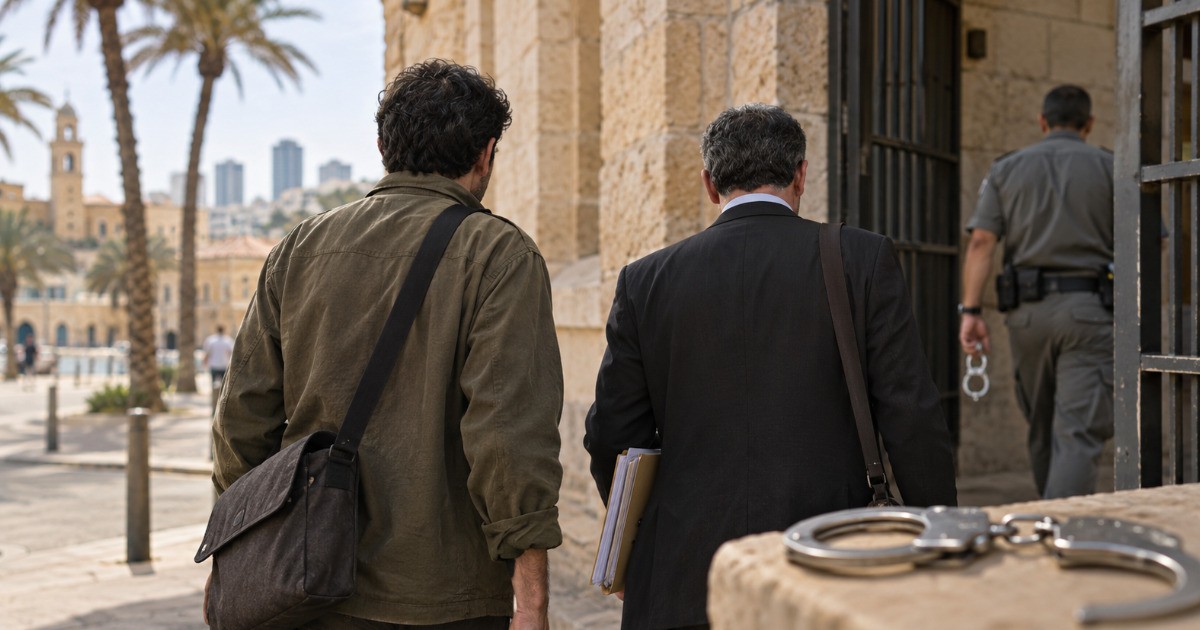
Myanmar offers one of the clearest examples of journalism operating under prolonged displacement. Following the February 2021 military takeover, independent media organizations faced arrests, raids, revoked publishing licenses and other restrictions that forced many newsrooms to relocate.
A Reuters Institute investigation published on May 11, 2026, described how journalists in Thailand were driving taxis, selling food and taking other jobs to sustain their reporting. Citing Reporters Without Borders (RSF), the investigation estimated that Myanmar's exiled media included approximately 60 outlets, with more than 200 journalists based in Thailand.
The financial situation has become increasingly difficult. Cuts to international assistance in 2025 and reductions by European donors in 2026 weakened organizations already struggling to replace advertising revenue lost after the coup.
At CJ Platform, an outlet supporting citizen journalists reporting from Myanmar, funding reductions forced salary cuts and the loss of safe accommodation. Its workforce reportedly fell from 17 people to six. Other editors have used earnings from small businesses to pay contributors still gathering information inside the country.
The consequences extend beyond employment. When experienced reporters leave journalism, newsrooms lose institutional knowledge, trusted contacts and the ability to verify difficult stories. Rebuilding those networks can take years.
Reporting from a distance creates new risks
Physical distance does not necessarily prevent journalists from obtaining information. Digital communication, community networks and citizen reporters can help newsrooms monitor events in places that would otherwise remain inaccessible.
But verifying information becomes more complicated when editors cannot visit a location, independently observe events or safely contact multiple sources.
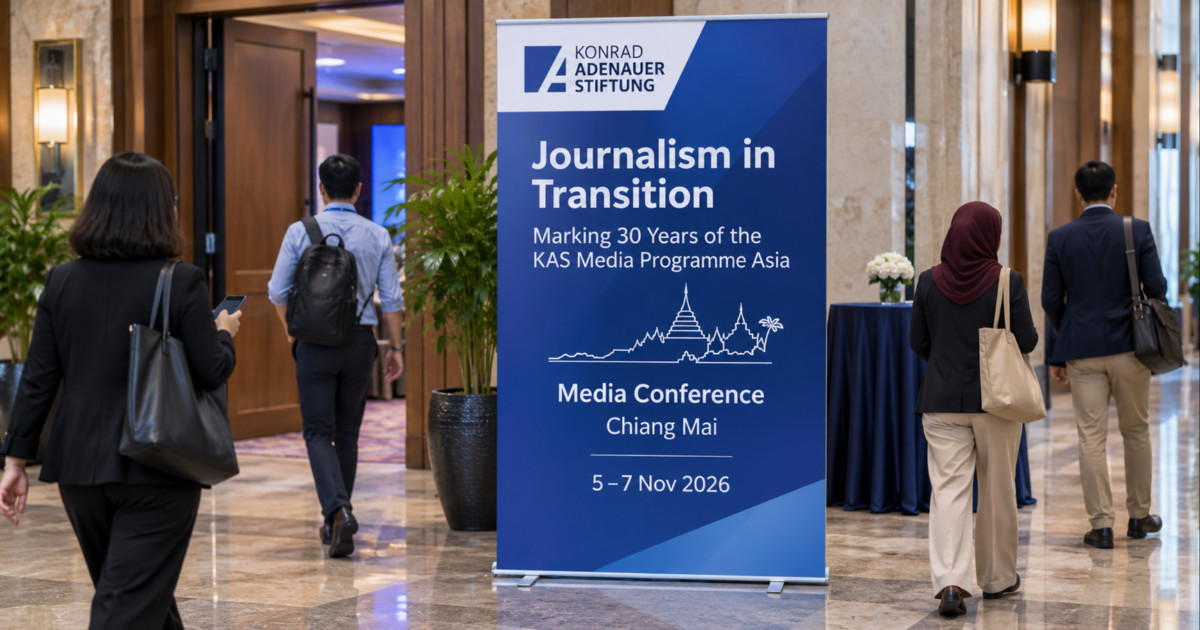
This challenge featured in JournalismPakistan's November 6 report on the Konrad-Adenauer-Stiftung Media Programme Asia Conference in Chiang Mai.
Frontier Myanmar editor-in-chief Thu Thu Aung told the gathering that verifying information was especially demanding for newsrooms working outside Myanmar. Obtaining reports was only part of the task; establishing their accuracy required considerable time and resources.
Exiled journalism also creates particular obligations toward sources who remain inside restrictive environments. A journalist may be relatively secure abroad while an interviewee, photographer or local contributor faces interrogation, detention or retaliation at home.
Secure communication, careful handling of identifying details and independent verification therefore become essential editorial safeguards, rather than merely technical precautions.
Governments can extend pressure across borders
Leaving a country does not always end the threat from its authorities.
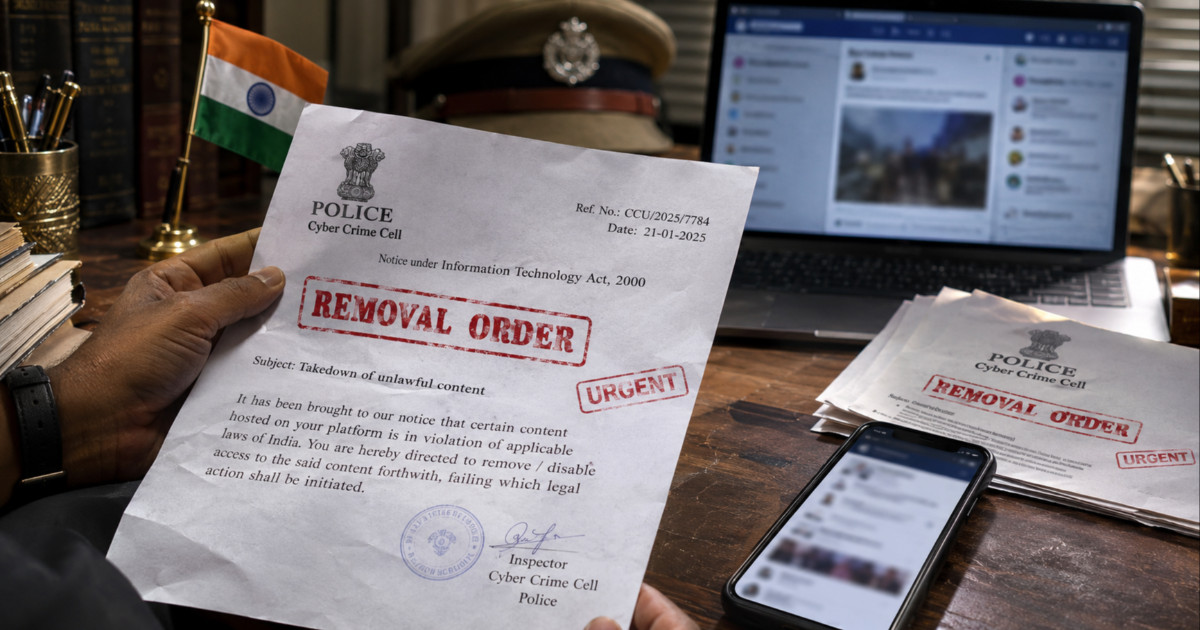
JournalismPakistan reported on October 8 that Myanmar's military authorities had acknowledged seeking international police cooperation, passport cancellations and extradition measures against people associated with five independent news organizations operating in exile.
The outlets identified in the reporting included The Irrawaddy, Mizzima, Democratic Voice of Burma, Myanmar Now and Khit Thit Media.
The authorities had not publicly identified all the individuals concerned or disclosed documentary evidence showing that Interpol had approved the requests. Interpol had not publicly confirmed Red Notices against the journalists.
The distinction is important. A government claiming to have sought international action does not establish that such action has been authorized.
Nevertheless, the possibility of passport cancellation, legal proceedings or extradition requests can create uncertainty for displaced journalists. It can discourage travel, complicate immigration arrangements and increase fears about personal security.
The case illustrates how restrictions on journalism can evolve from domestic censorship into attempts to exert pressure beyond national borders.
Afghan journalists face a different struggle
Afghanistan presents another form of journalism in exile, shaped by the Taliban's return to power in August 2021.
Restrictions on independent reporting, arrests, intimidation and limitations on women's employment have forced journalists to stop working, operate discreetly or leave the country.
Women journalists face especially severe barriers. Beyond direct restrictions on broadcasting and employment, their ability to interview sources, move freely and document conditions affecting women has been significantly reduced.
At the November conference in Chiang Mai, Zahra Nader, editor-in-chief of Zan Times, explained how her exiled newsroom continues working with women reporting from Afghanistan while emphasizing confidentiality and the protection of their identities.
The model demonstrates the importance of journalism produced through cooperation between journalists outside a country and contributors who remain within it.
However, it also exposes a difficult ethical question: how can an editor working in relative safety abroad ensure that contributors inside Afghanistan do not bear disproportionate risks?
Protecting identities, assessing threats before publication and maintaining editorial accountability are particularly important when reporting on women's rights, health, education and other sensitive subjects.
Pakistan's role in the exile crisis
For Afghan journalists who fled Taliban persecution, Pakistan was a nearby destination where they could seek temporary safety, maintain professional connections and pursue relocation to other countries. Yet for some, what was intended as a temporary refuge has become another source of insecurity.
The problem extends beyond immigration enforcement. Journalists who cannot establish stable legal status may struggle to work, support their families, travel or maintain contact with sources. The possibility of detention or deportation can make long-term reporting almost impossible, even when they have escaped the immediate threats that forced them out of Afghanistan.
JournalismPakistan documented this uncertainty in January 2026, when the Afghanistan Media Support Organization reported the detention of four Afghan journalists and the expulsion of another in Islamabad. Its January 12 report highlighted complaints about visa restrictions, intimidation and administrative obstacles confronting displaced media workers.
By February, the issue had developed into a wider protection crisis. JP's February 20 reporting examined Afghan journalists stranded in Pakistan and Iran while waiting for humanitarian visas and relocation decisions. Some faced prolonged separation from stable employment and uncertainty over whether they could remain legally in their host countries.
The situation became more serious in March. In a joint appeal to Pakistan's prime minister, the Committee to Protect Journalists, Reporters Without Borders and Free Press Unlimited warned that Afghan journalists were facing arrests, detention and forced returns despite having fled persecution.
As reported by JournalismPakistan on March 18, the organizations documented approximately 20 detention cases since the beginning of 2026 and nine deportations by that point. These figures reflected the situation described in March, rather than a current November total.
The underlying concern is the principle of non-refoulement, which prohibits returning individuals to places where they face specified serious risks, including persecution or torture. For journalists who have reported critically on the Taliban, being forced back into Afghanistan could expose them to precisely the dangers they originally escaped.
Pakistan has legitimate responsibilities for managing immigration, national security and its borders. But those responsibilities must be considered alongside the protection needs of individuals facing credible threats. Treating vulnerable journalists solely as immigration cases risks overlooking the consequences of their return.
The March appeal called for an end to arbitrary detention and forced deportation, the release of journalists held solely because of immigration status or nationality, and temporary protection arrangements for those awaiting resettlement.
Such safeguards would also serve a broader public interest. Afghan journalists working from Pakistan or other countries can help sustain independent information about Afghanistan, particularly as restrictions on media organizations and women reporters limit the flow of news from inside the country.
Their reporting helps document developments that might otherwise receive little independent scrutiny. When displaced journalists lose legal security, income or the ability to communicate safely with colleagues, the damage extends beyond individual careers to the audiences they serve.
The Pakistan experience therefore exposes a critical weakness in regional press freedom protection. Helping journalists escape an immediate threat is only the beginning. Without secure residency, access to livelihoods and safeguards against forced return, exile can become an indefinite condition of vulnerability.
For Asian governments, Pakistan included, the larger question is whether journalists escaping repression will be treated merely as temporary migrants or also recognized as professionals whose continued work serves the public's right to information.
Funding is becoming a press freedom issue
Even where journalists have found relative physical safety, financial insecurity threatens their ability to continue reporting.
Many exiled newsrooms cannot operate under conventional commercial models. They may be unable to sell advertising in their home countries, maintain offices there, or collect subscription payments without exposing supporters to risk.
International assistance has helped sustain these organizations, but reliance on a small number of donors can leave entire newsrooms vulnerable to sudden changes in funding priorities.
The Reuters Institute's reporting on Myanmar documented how abrupt reductions forced staff to accept lower salaries or seek alternative employment.
Frontier Myanmar has developed a membership model, while other outlets are experimenting with newsletters, reader support and specialized digital products.
Such approaches offer potential alternatives, but they cannot automatically replace the resources needed for investigations, field reporting, translation, verification and source protection.
This makes media sustainability inseparable from press freedom. Journalists may retain the ability to publish while losing the economic capacity to produce reliable reporting.
What Asian journalism must confront
The experiences of Myanmar and Afghanistan demonstrate that journalism in exile requires more than emergency relocation.
The experience of Afghan journalists in Pakistan demonstrates that press freedom cannot be protected through emergency relocation alone. Without legal security and economic stability in host countries, the independent journalism that exile is meant to preserve may itself become impossible to sustain.
Journalists need secure residency, sustainable financing, professional networks, digital security support, and opportunities to maintain contact with audiences in their home countries.
Regional cooperation can also help newsrooms share resources, provide training, and support journalists who face threats while working across borders.
Yet cooperation cannot eliminate the fundamental problem: exiled media organizations often rely on individuals inside restrictive countries who must continue gathering information under considerable personal risk.
For Pakistan and other Asian countries, these developments raise questions about protecting displaced journalists, sustaining independent reporting and preventing restrictions from extending beyond national borders.
JournalismPakistan's reporting throughout 2026 has documented different dimensions of that challenge, from Afghan journalists facing possible deportation to Myanmar's attempts to pursue independent media abroad and regional discussions about legal harassment and censorship.
Taken together, these cases reveal a transformation in Asian journalism. The newsroom is no longer necessarily a building, or even an institution operating inside the country it covers. It may be a dispersed network of journalists, editors and sources spread across several borders.
But physical survival does not automatically guarantee editorial survival.
The long-term test is whether journalists in exile can continue producing accurate, independent and trusted information without sacrificing the safety of their contributors or becoming financially unsustainable.
For the millions of people who depend on reporting from countries where independent news is increasingly restricted, the answer has consequences far beyond the journalists themselves.
ATTRIBUTION: Analysis by JournalismPakistan, drawing on its reporting published January 12, February 20, March 18, October 5 and 8, and November 6, 2026. Additional sources: Reuters Institute (May 11, 2026); Committee to Protect Journalists (March 18 and August 14, 2026); Reporters Without Borders (2025–2026); and the Konrad-Adenauer-Stiftung Media Programme Asia conference (November 5–7, 2026).
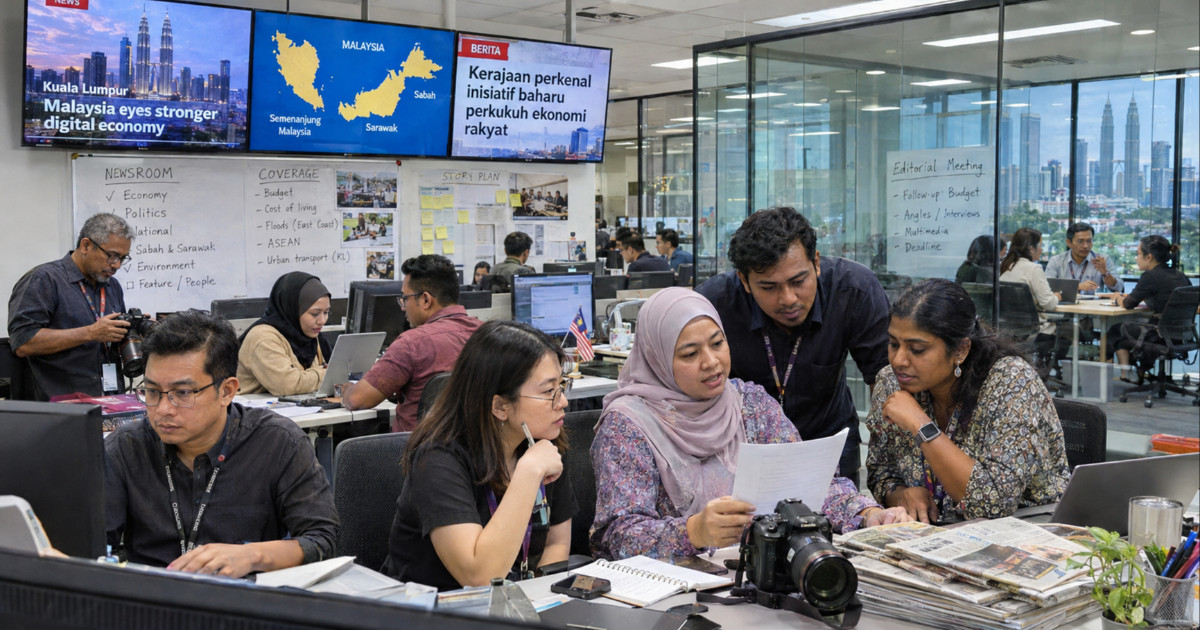
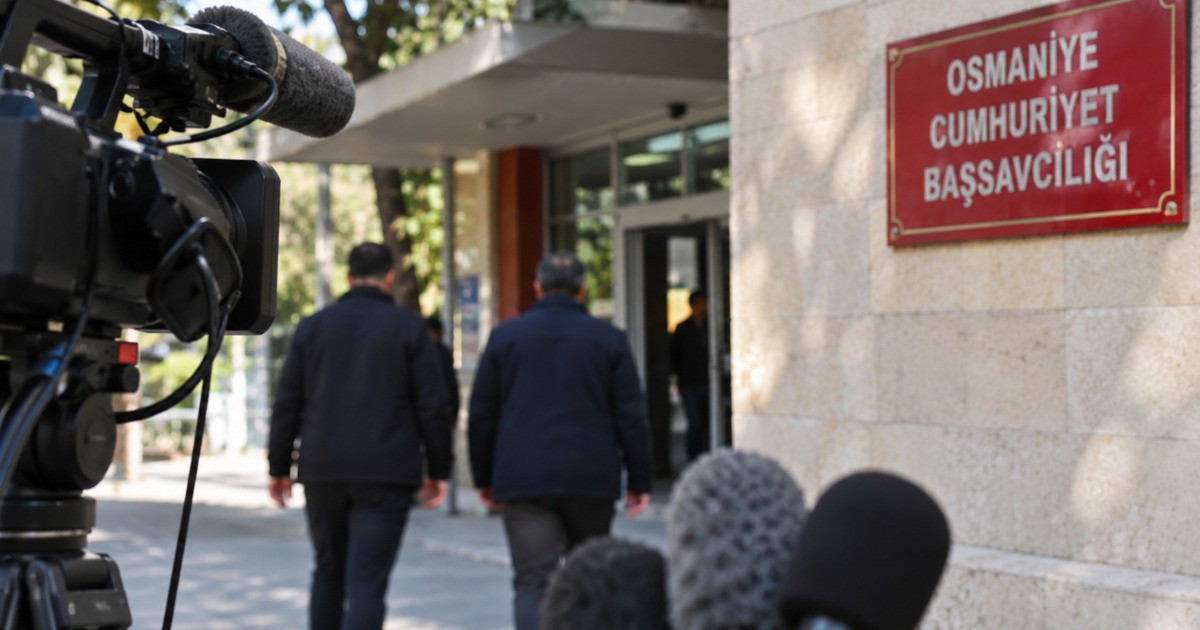
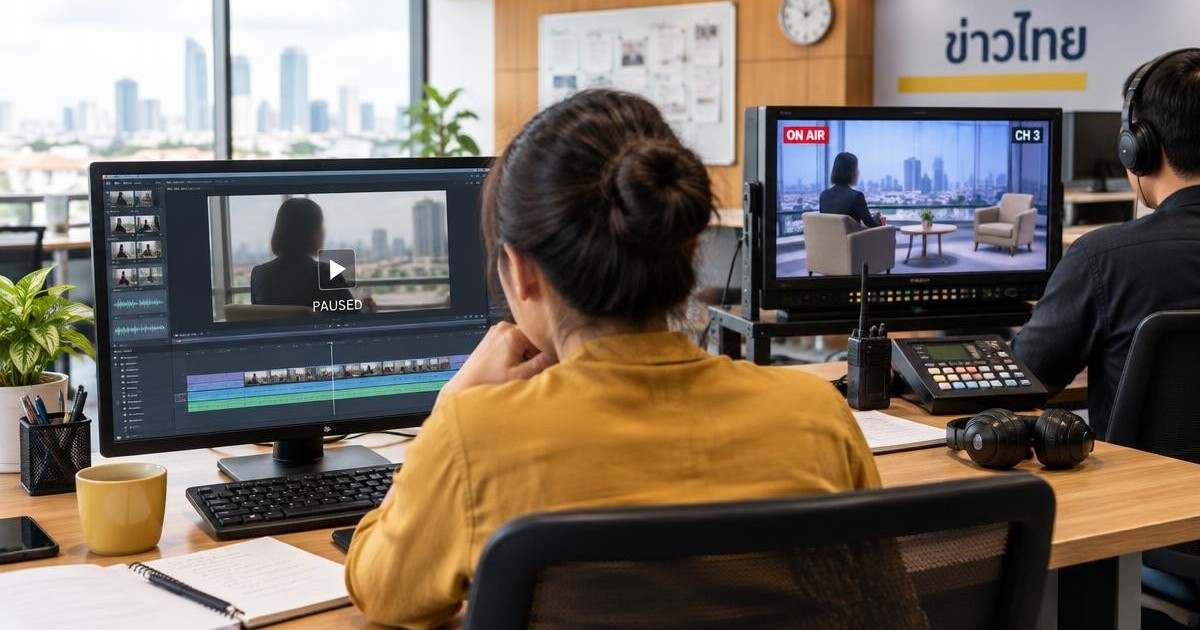
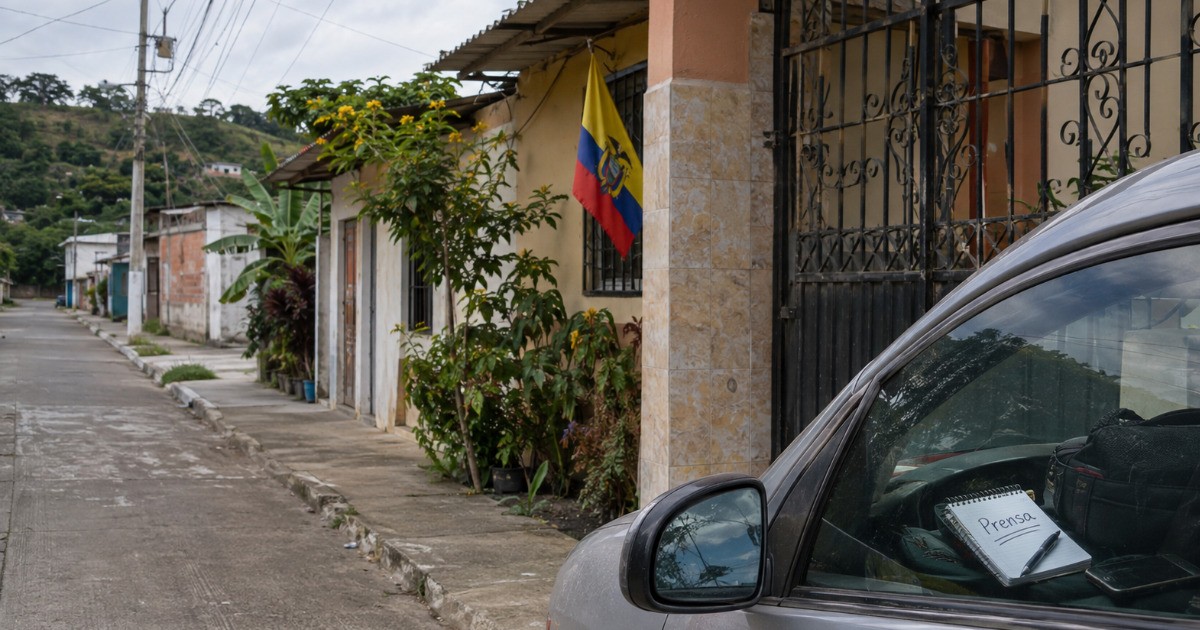
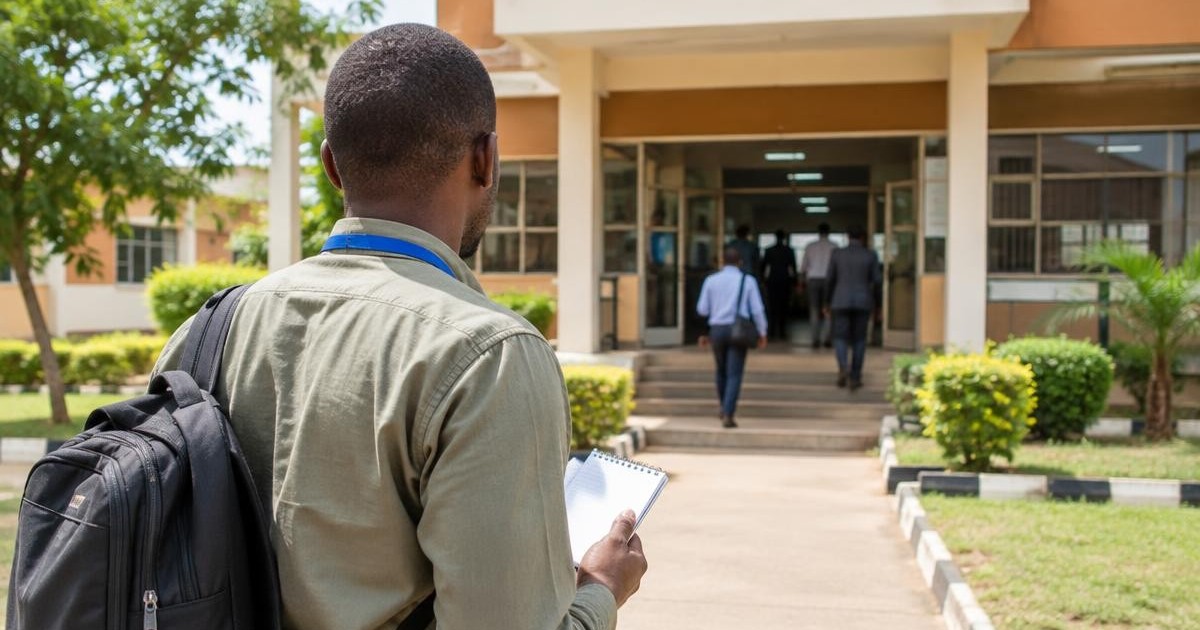
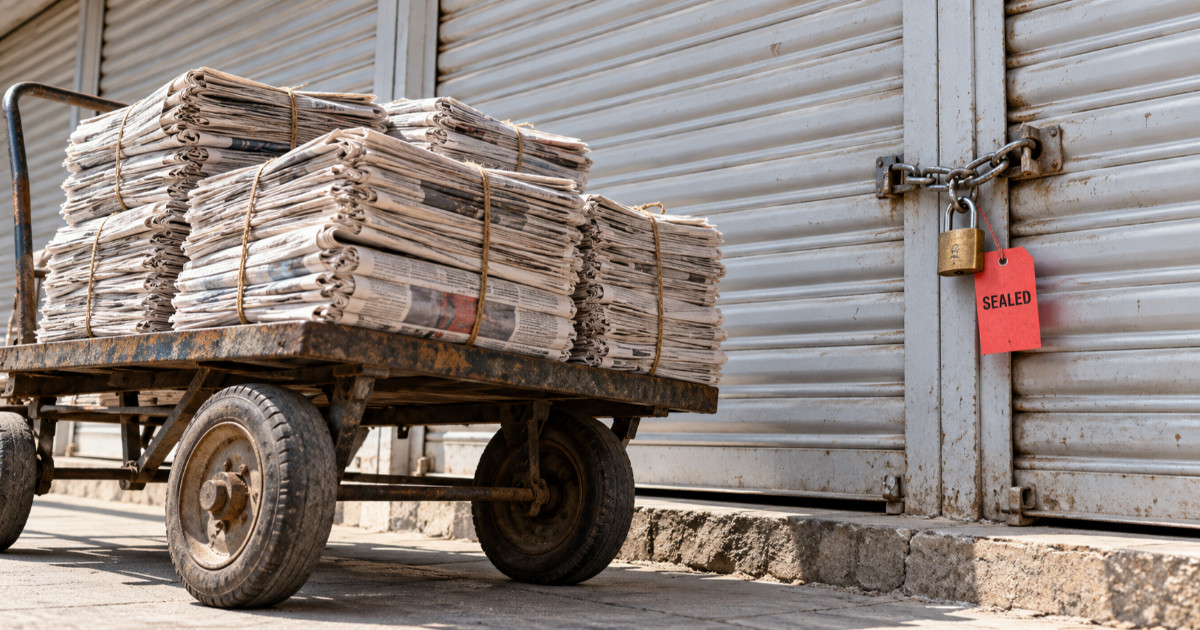
PHOTO: AI-generated illustration depicting a fictional Asian newsroom.
Key Points
- Newsrooms displaced from countries like Myanmar continue reporting from border towns and abroad.
- Journalists often rely on second jobs, shared resources and remote source networks to survive.
- They face persistent financial insecurity, digital surveillance and legal risks.
- Threats and restrictions frequently cross borders, complicating safety and operations.
- Regional policies and limited funding threaten the long-term viability of exile media.
Key Questions & Answers
Why have these journalists gone into exile?
Many were forced out by crackdowns, arrests, revoked licenses and raids that made safe reporting inside their countries impossible.
How do exile newsrooms keep reporting?
They operate from border towns or abroad, rely on networks of local sources, share resources, and journalists often take additional work to cover costs.
What main challenges do they face?
Key challenges include chronic funding gaps, digital surveillance, legal insecurity and threats that can follow them across borders.
What role do neighbouring countries play?
Host and neighbouring states affect safety and legal status; their policies on asylum, press freedom and cross-border policing shape exile journalism's sustainability.
Relevant Topics
Ask AI: Understand this story your way
AI EnabledDig deeper, ask anything — get instant context, background, and clarity.
Disclaimer: This feature is powered by AI and is intended to help readers explore and understand news stories more easily. While we strive for accuracy, AI-generated responses may occasionally be incomplete or reflect limitations in the underlying model. This feature does not represent the editorial views of JournalismPakistan. For our full, verified reporting, please refer to the original article.