
PFUJ condemns arrests of women journalists in Islamabad
JournalismPakistan.com | Published: 9 March 2026 | JP Staff Report
Join our WhatsApp channel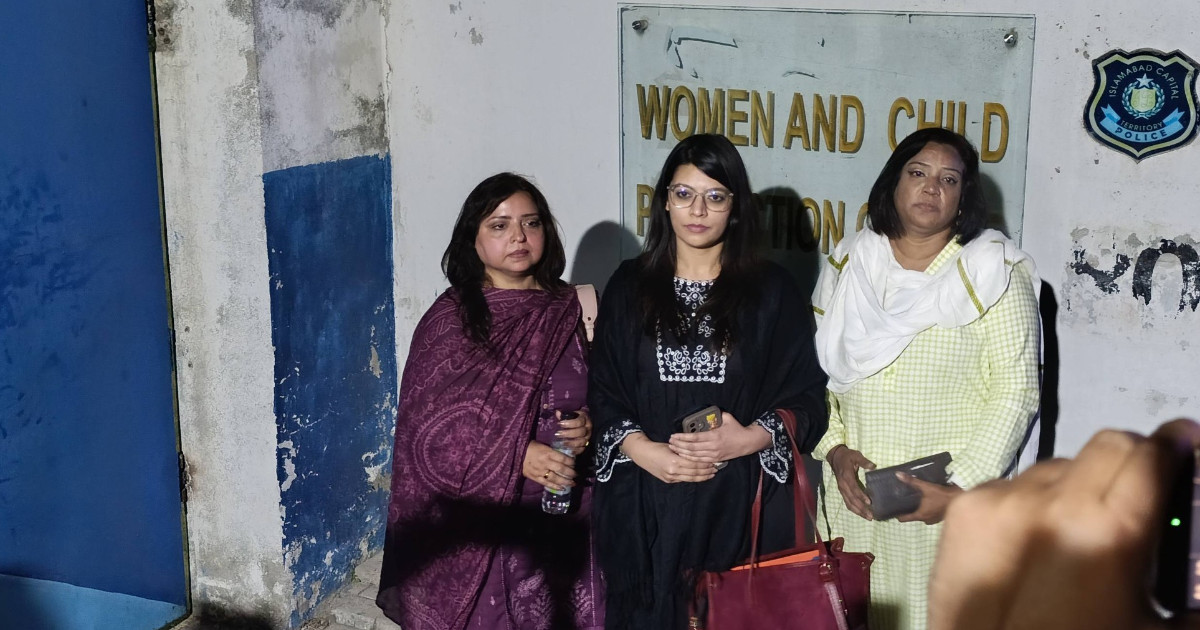
Pakistan Federal Union of Journalists condemned the arrest and alleged rough handling of women journalists and activists by Islamabad police during the Aurat March on International Women's Day. PFUJ demanded an inquiry and criticized the use of Section 144.Summary
ISLAMABAD — Pakistan’s leading journalists’ union has strongly condemned the arrest and alleged rough handling by police of women’s rights activists and journalists during the Aurat March in Islamabad on International Women’s Day.
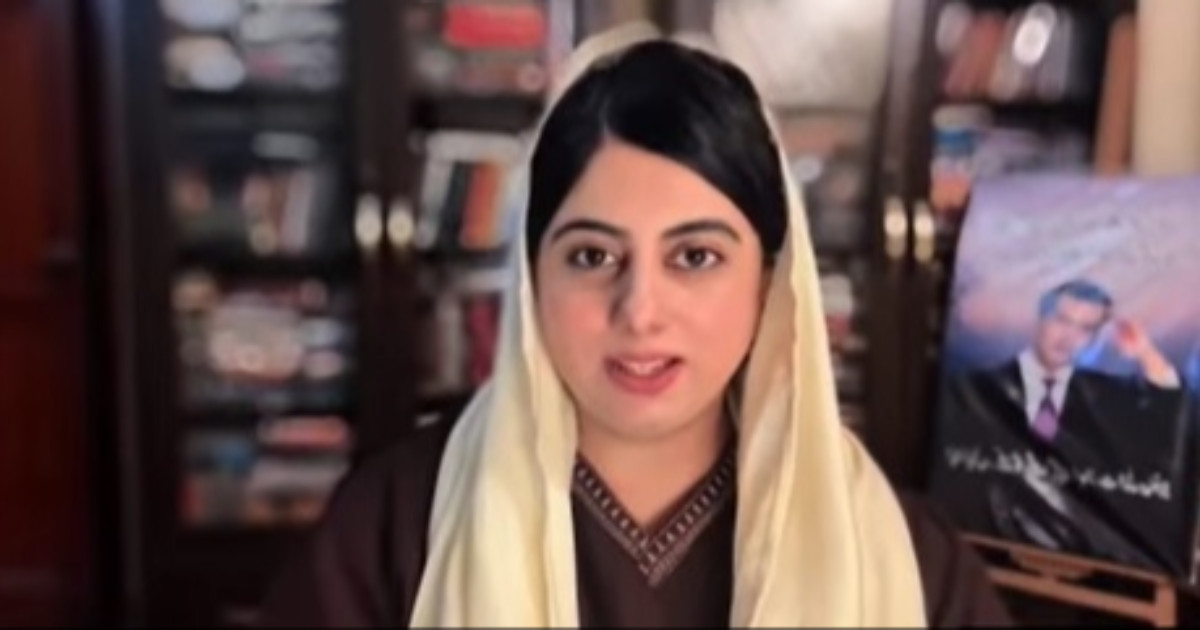
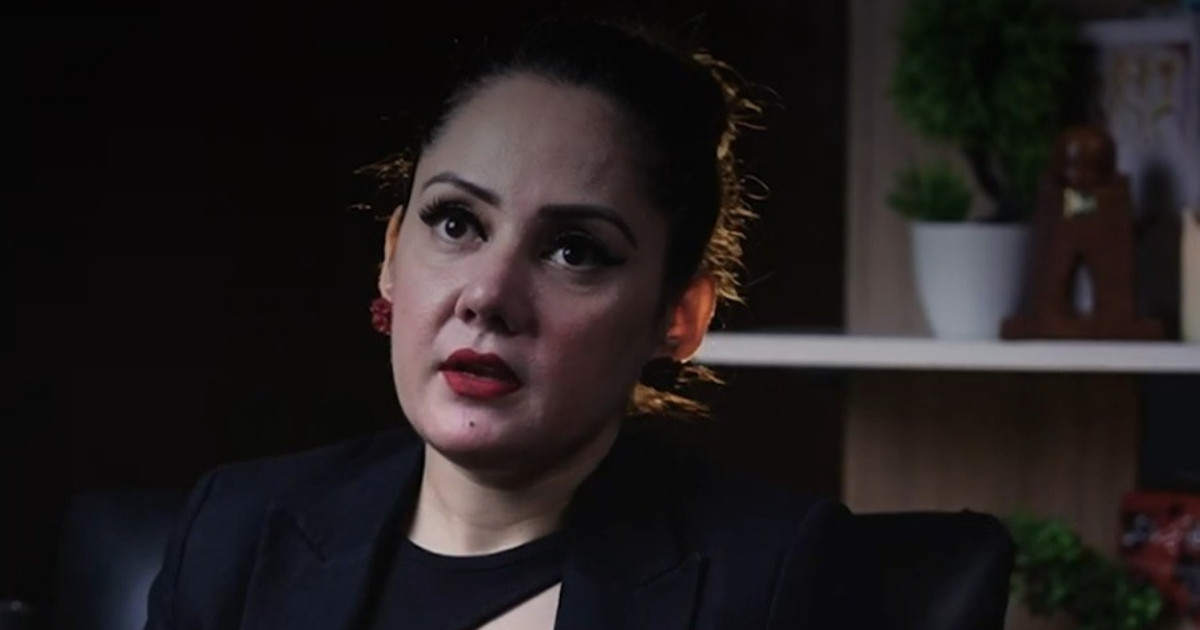
The Pakistan Federal Union of Journalists (PFUJ) said the actions of Islamabad police and the federal administration represented excessive use of authority against peaceful participants and media workers covering the march. The union specifically highlighted the detention of three women journalists, including Sehrish Qureishi of Independent Urdu.
Journalists and activists detained near the press club
In a joint statement, PFUJ President Afzal Butt and Secretary General Arshad Ansari expressed concern over the detention of prominent activist Dr. Farzana Bari, organizers, and dozens of march participants who were intercepted near the Super Market in sector F-6 while attempting to reach the National Press Club.
The PFUJ leadership said the arrests were carried out as authorities enforced Section 144, which restricts public gatherings. The union argued that the use of the law to block peaceful assembly undermines fundamental rights guaranteed under Pakistan’s Constitution.
Union calls for inquiry into police conduct
The PFUJ rejected the administration’s justification that security concerns or possible threats from the Lal Masjid management required preventive arrests. According to the union, the state’s responsibility is to ensure the safety of citizens exercising their rights rather than detaining them preemptively.
The journalists’ body also condemned reports that some detainees were allegedly roughly handled during the operation and that additional individuals were detained when they went to a women’s police station seeking information about those already in custody.
PFUJ leaders said International Women’s Day is globally recognized as a day to advocate for women’s rights and equality. They criticized the Islamabad administration for restricting civic activity in the capital instead of facilitating a peaceful march toward the National Press Club, which they described as a longstanding symbol of free expression.
The union demanded the immediate and unconditional release of all detained activists and called for an independent inquiry into the reported use of force against women by police personnel during the operation.
Butt and Ansari also urged the Interior Ministry to hold the Islamabad administration accountable for what they described as unnecessary use of force that risks damaging Pakistan’s democratic image internationally.
WHY THIS MATTERS: The detention of journalists while covering a peaceful protest highlights the operational risks reporters face when documenting public demonstrations in Pakistan. For news organizations, such incidents raise concerns about press freedom, newsroom safety protocols, and the legal environment surrounding protest coverage. It also underscores the importance of professional bodies like PFUJ in publicly challenging actions that may restrict media access to public events.
ATTRIBUTION: Based on a public statement issued March 9, 2026, by the Pakistan Federal Union of Journalists.
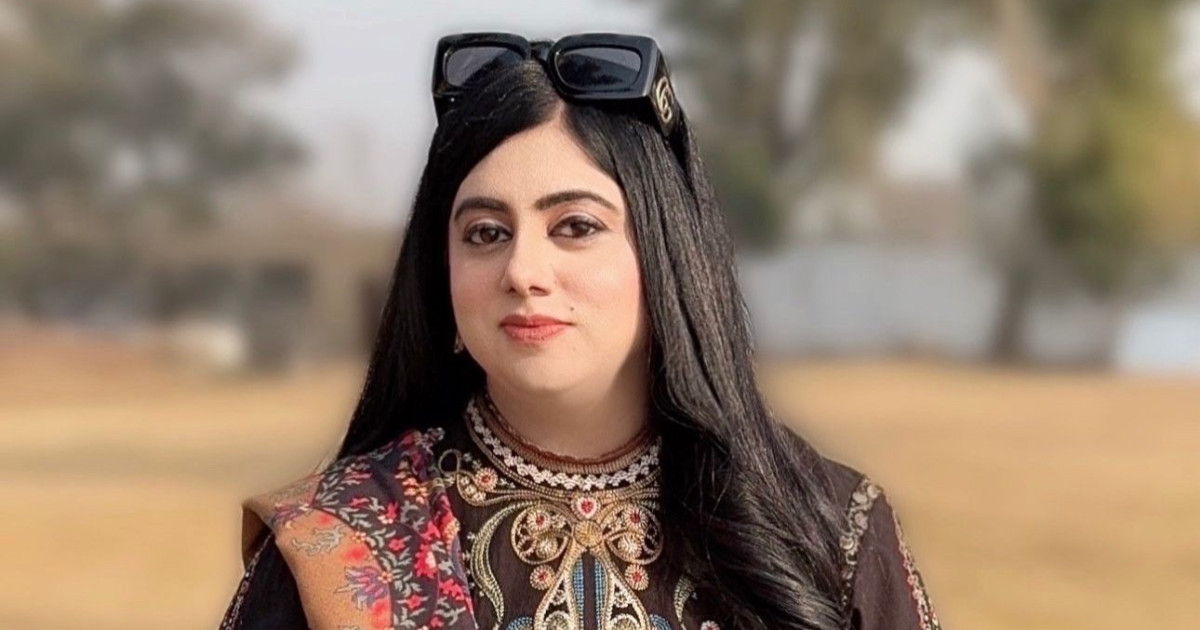
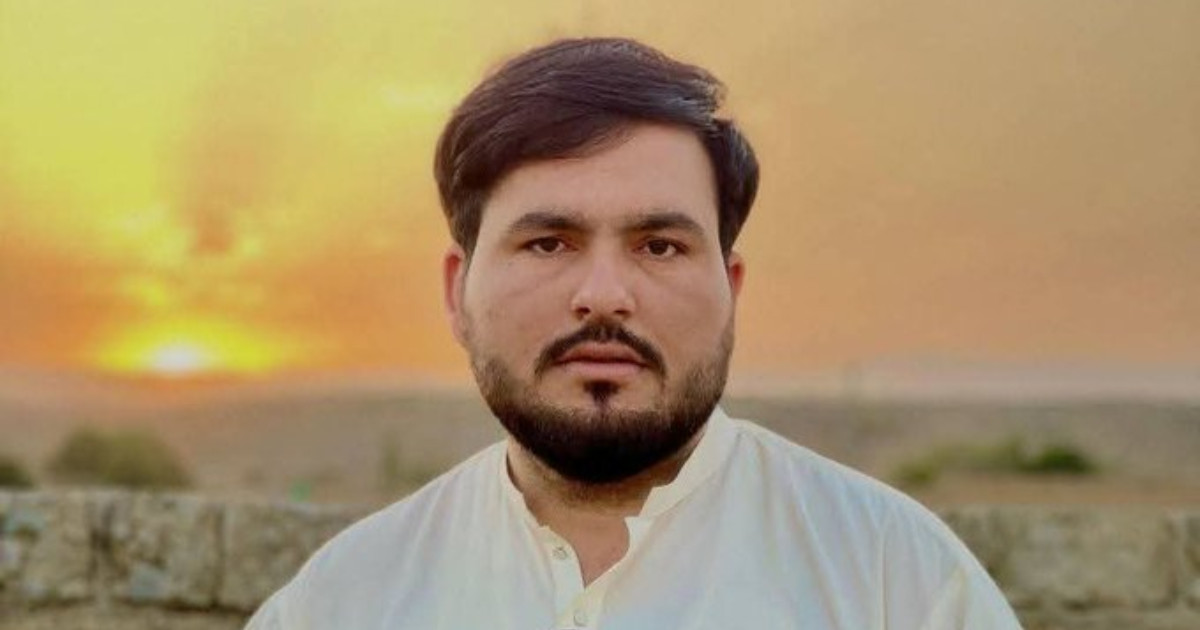
PHOTO: Courtesy of Adnan Rehmat via Facebook
Key Points
- PFUJ condemned the arrest and alleged rough handling of women journalists and activists during the Aurat March.
- Three women journalists, including Sehrish Qureshi of Independent Urdu, were reported detained.
- Dr. Farzana Bari, the organizers, and dozens of participants were intercepted in Sector F-6 while heading to the National Press Club.
- The union said arrests were carried out under Section 144 and argued this undermines constitutional rights to peaceful assembly.
- PFUJ rejected security-based justifications tied to Lal Masjid and called for an inquiry into police conduct.
Key Questions & Answers
What did PFUJ say about the arrests?
PFUJ condemned the arrests and alleged rough handling as an excessive use of authority against peaceful participants and media workers.
Who was detained during the incident?
Three women journalists, including Sehrish Qureshi, were detained; activist Dr. Farzana Bari, organizers, and dozens of participants were also arrested.
Why did authorities make the arrests?
Authorities said they were enforcing Section 144 and cited security concerns; PFUJ rejected these justifications as inadequate for blocking peaceful assembly.
What is PFUJ demanding now?
The union is calling for an inquiry into police conduct and criticized the use of preventive arrests to stop the march.
Relevant Topics
Ask AI: Understand this story your way
AI EnabledDig deeper, ask anything — get instant context, background, and clarity.
Disclaimer: This feature is powered by AI and is intended to help readers explore and understand news stories more easily. While we strive for accuracy, AI-generated responses may occasionally be incomplete or reflect limitations in the underlying model. This feature does not represent the editorial views of JournalismPakistan. For our full, verified reporting, please refer to the original article.