
Journalists charged with rioting in Washington
JournalismPakistan.com | Published: 25 January 2017
Join our WhatsApp channel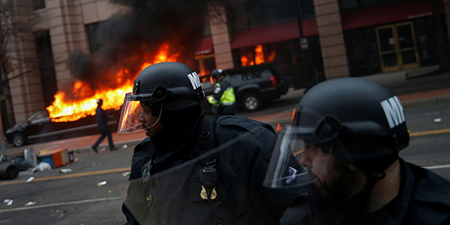
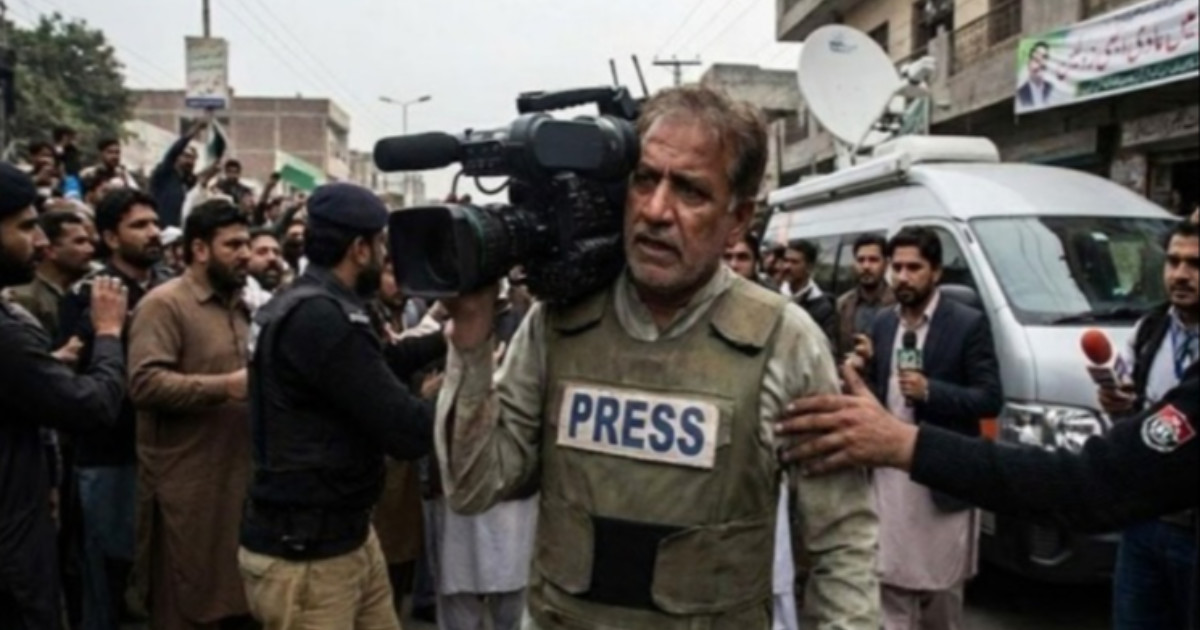
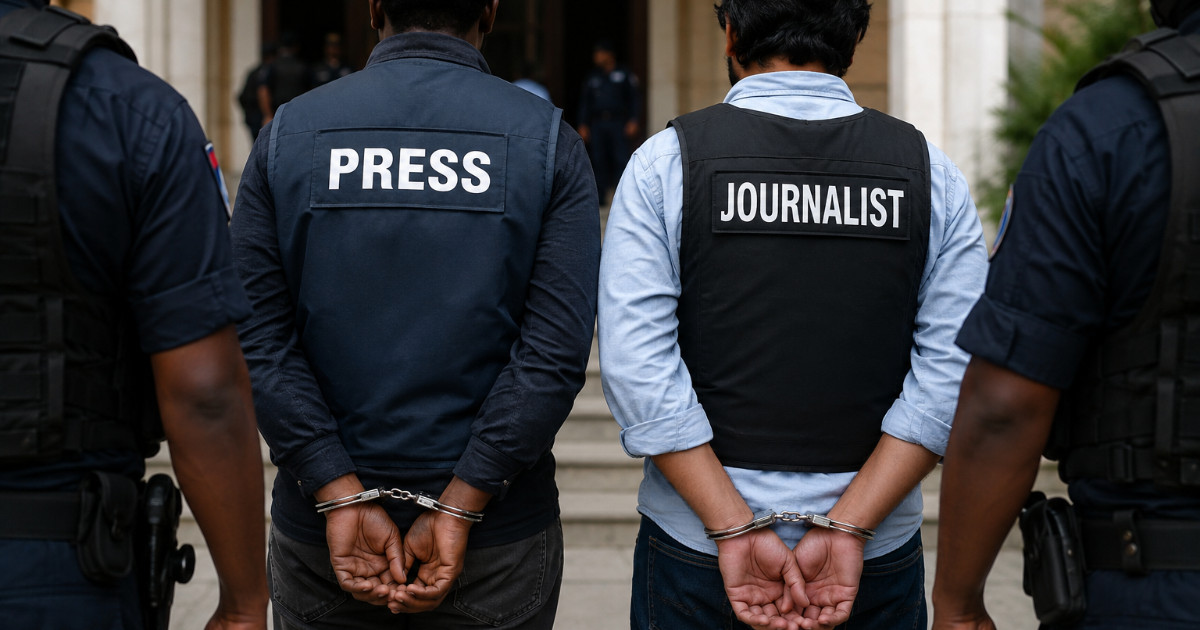
Three journalists were arrested in Washington D.C. for allegedly participating in riots during Trump's inauguration protests. The Committee to Protect Journalists calls for the charges to be dismissed, citing concerns over press freedom.Summary
NEW YORK - Authorities in Washington D.C. should drop rioting charges against at least three journalists arrested while covering protests on the day of the inauguration of U.S. President Donald Trump, the Committee to Protect Journalists said Tuesday.
Police arrested Evan Engel, a senior producer at the news website Vocativ, and Alex Rubinstein, a reporter with the Russian state-funded broadcaster RT America, near 12th and L streets in downtown Washington the morning of January 20, according to London's Guardian newspaper. Police also arrested Aaron Cantu, a freelance journalist who has written for The Baffler, the website Truthout, and Al-Jazeera, according to police reports reviewed by CPJ.
The reporters were among more than 230 people arrested in Washington on Inauguration Day after individuals set fire to a car and broke windows of downtown businesses, according to reports and police documents.
"These charges are clearly inappropriate, and we are concerned that they could send a chilling message to journalists covering future protests," said Carlos Lauría, senior Americas program coordinator. "We call on authorities in Washington to drop these charges immediately."
The criminal complaints say that the reporters are charged under section 1322(b) of the D.C. criminal code, which establishes penalties of up to 180 days in prison and a fine of up to $1000. The language in the complaint, however, references rioting that results in bodily harm or more than $5,000 in damage, which can be punished by a maximum of 10 years in jail and fines of up to $25,000. Police spokeswoman Rachel Reid told CPJ in an email she was unable to comment because a lawsuit had been filed in the case.
Attorney Jeffrey Light on January 20 filed a civil lawsuit on behalf of a lawyer and 50 other unnamed plaintiffs arrested on that date claiming police indiscriminately arrested people - including lawyers, medics, and journalists - who were not involved in criminal activities.
"The arrest, detainment and rioting charge against journalist Evan Engel who was covering the protests for Vocativ are an affront to the First Amendment and journalistic freedom," Vocativ spokeswoman Ellen Davis said in an emailed statement. "Vocativ will vigorously contest this unfounded and outrageous charge."
Davis told CPJ that police seized Engel's camera and mobile phone. Reid, the police spokeswoman, told CPJ that she could not comment on evidence regarding felony cases.
Rubinstein and RT did not immediately respond to emails from CPJ. In a January 20 report on the broadcaster's website, RT said that Rubinstein showed his media credentials to police.
"I was hit in the face with a flash grenade, it blinded me for a moment and my ears were ringing for a while...By the time I was done being treated and I could see again, we were encircled by police and I was told that everybody present would be arrested. It doesn't matter that I'm press," Rubinstein told his employer.
Cantu told CPJ in an email that he was on location to report on events but declined to comment further.
In a signed affidavit, which CPJ has reviewed, police said that they saw a group of more than 300 people, many of whom were wearing bandanas or masks, vandalize property. "Officers from the Special Operations Division moved in and cordoned off the group," according to the police affidavit.
Late Tuesday, the Guardian reported that three other journalists were arrested at the January 20 protests. CPJ is investigating those reported arrests. - Committee to Protect Journalists
Image: Reuters
Key Points
- Three journalists arrested on Inauguration Day for rioting charges.
- CPJ urges D.C. authorities to drop the charges against the journalists.
- The charges could impose significant penalties, including prison time.
- Police reportedly arrested over 230 individuals during the protests.
- Concerns raised about the implications for journalistic freedom.
Relevant Topics
Ask AI: Understand this story your way
AI EnabledDig deeper, ask anything — get instant context, background, and clarity.
Disclaimer: This feature is powered by AI and is intended to help readers explore and understand news stories more easily. While we strive for accuracy, AI-generated responses may occasionally be incomplete or reflect limitations in the underlying model. This feature does not represent the editorial views of JournalismPakistan. For our full, verified reporting, please refer to the original article.