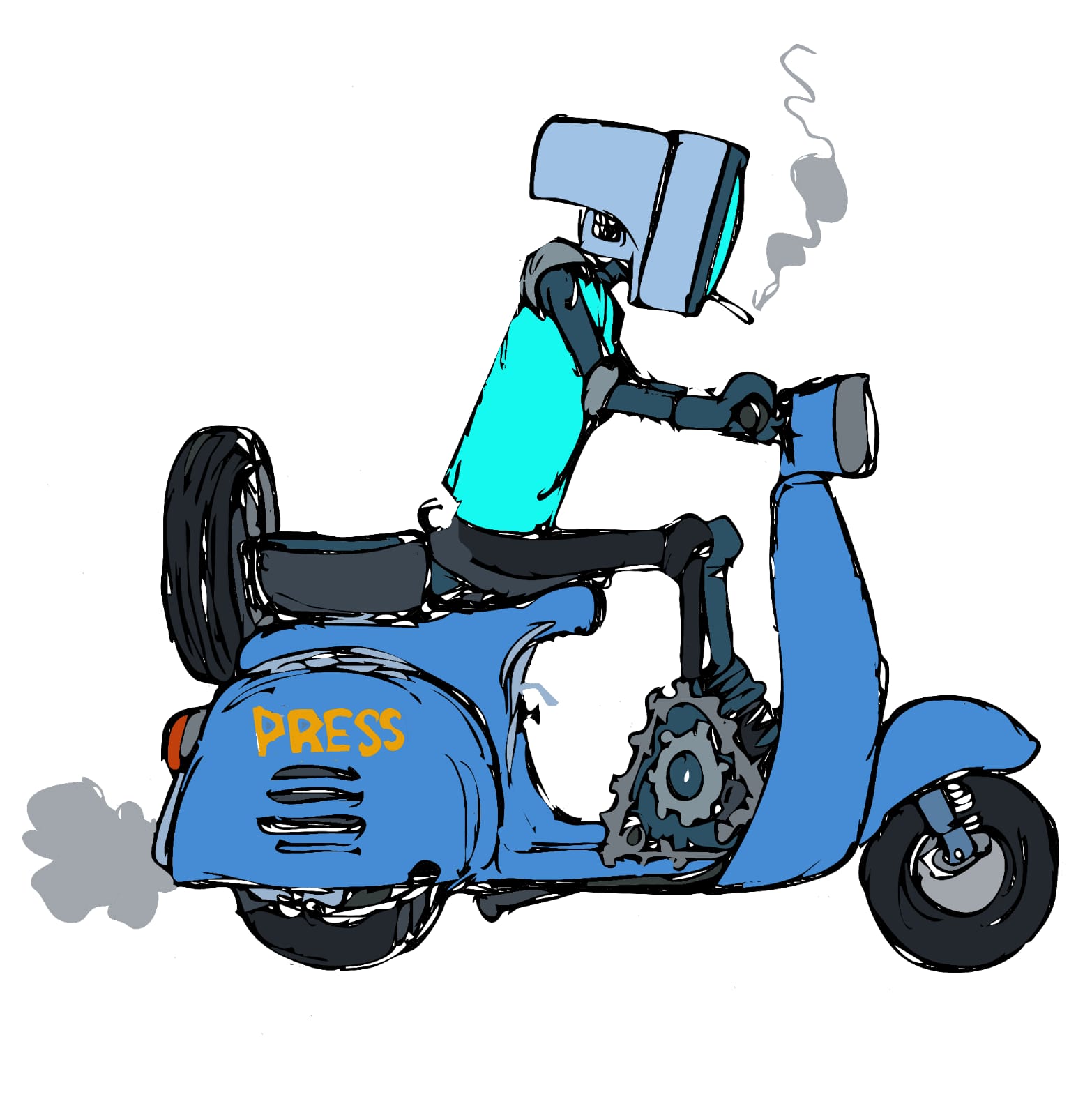

Independent U.S. journalists reshape news ecosystem
JournalismPakistan.com | Published: 10 January 2026 | JP Global Monitoring Desk
Join our WhatsApp channel
Independent U.S. journalists are launching reader-funded newsletters, nonprofit outlets and cooperative newsrooms to protect editorial independence and sustain investigative and local reporting, stepping in as mainstream outlets cut staff and consolidate.Summary
NEW YORK — Independent journalists across the United States are increasingly positioning themselves as a counterweight to shrinking mainstream newsrooms and intensifying political pressures, as layoffs and consolidation continue to reshape the media industry. This shift has accelerated in recent years, with reporters launching standalone newsletters, nonprofit outlets, and cooperative newsrooms to maintain editorial independence and continue investigative and local reporting.
Many of these journalists are turning to reader-funded models, relying on subscriptions, memberships, and donations rather than advertising or corporate ownership. Platforms that enable direct payment from audiences, alongside nonprofit structures recognized under U.S. law, have made it easier for reporters to sustain operations while retaining control over editorial decisions. Media analysts note that this approach has strengthened trust among readers who value transparency and accountability.
Filling gaps left by traditional media
As legacy outlets reduce coverage of local government, courts, and specialized beats, non-corporate newsrooms have stepped in to fill critical information gaps. Nonprofit investigative organizations and local digital startups have expanded reporting on issues such as public spending, environmental regulation, and civil rights, areas that are often resource-intensive and less profitable for commercial media. These efforts have helped preserve watchdog journalism in communities where daily newspapers have closed or sharply reduced staff.
The rise of independent journalism has also been shaped by legal frameworks that support journalistic autonomy. Many U.S. states maintain shield laws that protect reporters from being compelled to reveal confidential sources, while anti-SLAPP statutes in several jurisdictions are designed to deter lawsuits intended to silence public-interest reporting. Although protections vary by state and are not uniform nationwide, legal scholars say they provide important safeguards for journalists working outside large corporate institutions.
Business models and global implications
The growth of reader-supported journalism is influencing broader industry norms, challenging long-standing assumptions about scale and profitability. Independent outlets often operate with leaner structures, emphasizing sustainability over rapid expansion. This model has attracted attention from media organizations abroad, particularly in countries facing similar declines in advertising revenue and public trust.
While independent journalism does not replace the reach of national broadcasters or major newspapers, its expanding role underscores a rebalancing of the media landscape. By combining direct audience support with legal protections and digital distribution, U.S. independent journalists are contributing to a more diverse and resilient news ecosystem, with implications that extend beyond national borders.
ATTRIBUTION: Reporting based on publicly available industry analyses, academic research on media economics, and documentation from U.S. journalism organizations and legal institutes.
PHOTO: By Engin Akyurt from Pixabay
Key Points
- Reporters are forming reader-funded newsletters, nonprofit outlets and cooperative newsrooms to retain editorial control.
- Subscriptions, memberships and donations are replacing advertising and corporate ownership as revenue sources.
- Independent outlets are filling coverage gaps in local government, courts and specialized beats left by shrinking newsrooms.
- Nonprofit and cooperative models make resource-intensive investigative reporting more sustainable.
- Direct funding and nonprofit status have helped strengthen reader trust and accountability.
Relevant Topics
Ask AI: Understand this story your way
AI EnabledDig deeper, ask anything — get instant context, background, and clarity.
Disclaimer: This feature is powered by AI and is intended to help readers explore and understand news stories more easily. While we strive for accuracy, AI-generated responses may occasionally be incomplete or reflect limitations in the underlying model. This feature does not represent the editorial views of JournalismPakistan. For our full, verified reporting, please refer to the original article.