
Safdar Mir (1922-1998)

Born in Lahore, Mohammad Safdar Mir was respected and feared for his encyclopedic knowledge, making his mark as a poet and playwright. He acted on stage in both Bombay and Lahore; taught English literature at Lahore’s Government College; and wrote a weekly column under the pen name ‘Zeno’ for The Pakistan Times for over a decade, and later for Dawn.
Notable themes in his articles included his polemics against Maulana Maududi and the Jammat-i-Islami (during the General Ayub Khan’s era), expositions of Allama Iqbal’s thought, and commentaries on Sufi tradition.
His nationalist songs during the War of 1965 and the perception of his support of Gen. Yahya Khan’s military operation in Bangladesh caused some controversy. He contributed to the Pakistan People’s Party manifesto of 1970, and briefly edited the party paper Musawat.
Safdar Mir took active part in the strikes held by the press union when The Pakistan Times and Imroze came under the axe of the government in 1971.
Safdar Mir had written Dard kay Phool which is a collection of his poetry in Urdu; Aakhar-i-Shab, a collection of selected plays, besides other anthologies.
Source: The Oxford Companion to Pakistani History
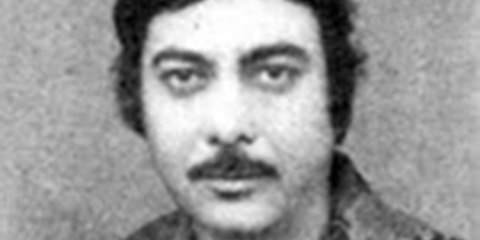
Riaz Batalvi (1937-2003)
Riaz Batalvi, a journalist, became a writer and a dramatist, giving PTV two of its best productions - Aik Haqeeqat, Aik Afsana and Dubai Chalo. Born as Riazul Hasan in February 1937 in Gurdaspur
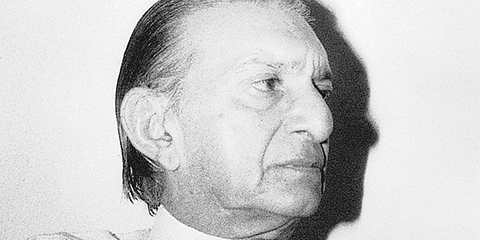
Omar Kureishi (1928-2005)
Omar Kureishi was a distinguished Pakistani writer. He worked in advertising, aviation and journalism, writing for many newspapers, including Dawn, The Pakistan Times, Morning News and The Guardian, London.
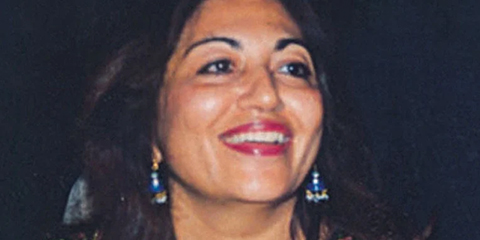
Razia Bhatti (1944-1996)
Razia Bhatti has been described as a crusader, a torch-bearer, and a symbol of courage. In 1996, the Pakistan Press Foundation called her untimely death at the age of 52 an 'end of a golden chapter of journalism in Pakistan.'
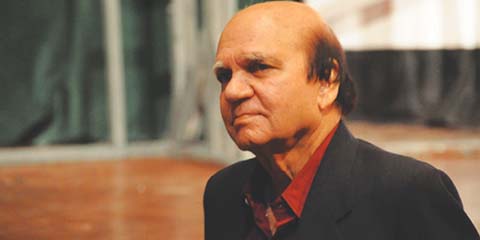
Agha Nasir (1937-2016)
Born on February 9, 1937 in Meerut, India, Agha Nasir was an outstanding director, producer, broadcaster and a TV playwright. After graduating from the University of Karachi, he started his career with a stint with Radio Pakistan in 1955.
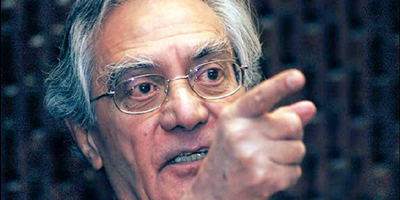
Aslam Azhar (1932-2015)
Born on 2 September 1932, Aslam Azhar is remembered as the founding father of Pakistan Television. After earning a law degree from Cambridge University, he chose not to pursue a legal career but instead immersed himself in the world of performing arts.
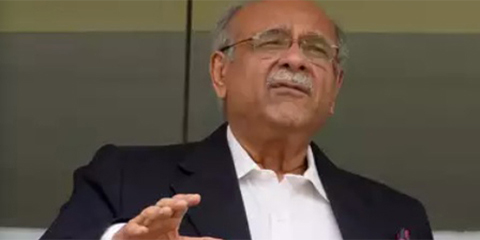
Najam Sethi
Najam Sethi is an award-winning journalist and media personality. He is the Editor-in-Chief of The Friday Times, a Lahore-based political weekly. He was previously the Editor of Daily Times and
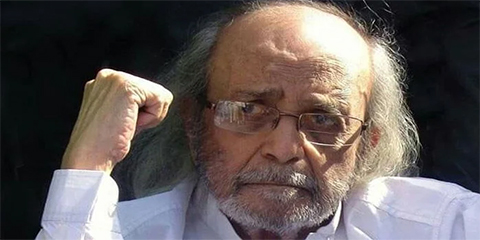
Saleem Asmi
Beginning his journalistic career in 1959, Saleem Asmi joined The Times of Karachi as a sub-editor. Like most journalists from his era, he became part of The Pakistan Times, becoming the newspaper's city editor.
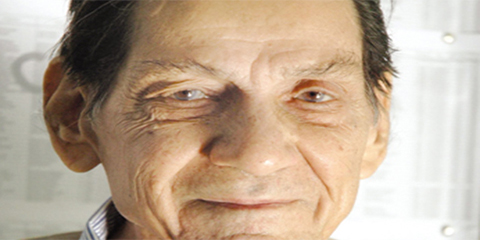
Minhaj Barna (1925-2011)
The death of Minhaj Barna in Rawalpindi at the age of 87 on January 14, 2011 marked the end of an era.Even journalists who had never met him in person were familiar with his name and his
Newsroom

Pele to Messi: How World Cup finals wrote football's greatest story
June 15, 2026 From Pele to Messi, World Cup finals shaped football's global story, tracing triumphs and heartbreaks and showing how the game became a shared language.
Press freedom review: From jail cells to cyberspace, threats to journalists multiply
June 14, 2026 Press freedom faces mounting challenges worldwide as journalists confront arrests, legal pressure, cyberattacks, online harassment, deportations, and reporting restrictions across multiple countries.
The right to know: Comparing access-to-information laws across Asia
June 14, 2026 Across Asia, RTI laws range from effective tools for journalism and accountability to paper laws weakened by bureaucracy, broad exemptions and poor enforcement.

Open-Source Intelligence (OSINT): How journalists verify information in the digital age
June 14, 2026 OSINT helps journalists verify social media, photos, videos, maps and public records to improve reporting accuracy and detect misinformation.
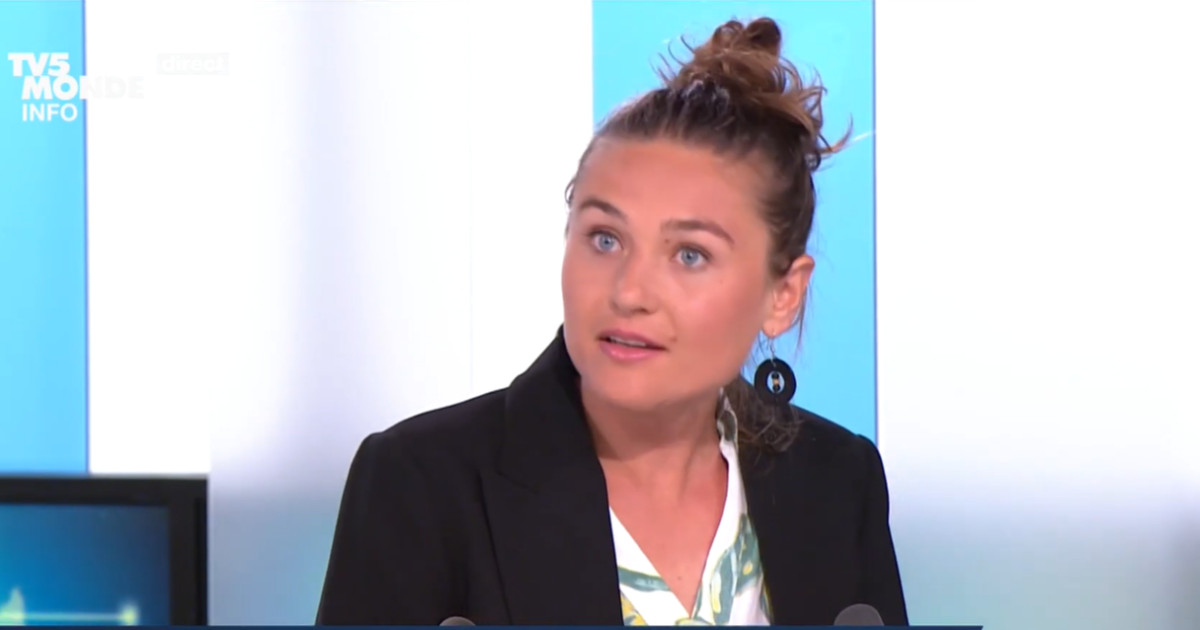
Ethiopia expels French journalist after Tigray reporting
June 13, 2026 Ethiopia expelled French reporter A. Passilly after Tigray reporting, drawing criticism from press groups as retaliatory and damaging to press freedom.
Popular Stories

Why publishers want AI companies to pay
Jun 06, 2026