
Eritrea most censored country in the world: CPJ
JournalismPakistan.com | Published: 21 April 2015
Join our WhatsApp channel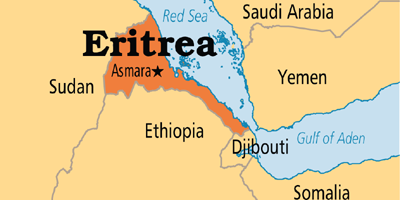
The Committee to Protect Journalists ranks Eritrea as the most censored country in the world, followed closely by North Korea. The report highlights severe limitations on press freedom and the jailing of journalists in numerous countries.Summary
NEW YORK: With journalists often facing a choice of life in exile or prison, and with even reporters for state-run outlets in fear of arrest, Eritrea secures its place as the most censored country in the world, with secretive North Korea coming in close second, according to a list of the 10 Most Censored countries released by the Committee to Protect Journalists today.
According to a CPJ Press Release, the eight other countries on the list are Saudi Arabia, Ethiopia, Azerbaijan, Vietnam, Iran, China, Myanmar, and Cuba.
The 10 Most Censored Countries report is excerpted from CPJ's annual publication, Attacks on the Press, which will be released in full on Monday, April 27, at 11 a.m. EST at a press conference in the United Nations headquarters in New York.
"Technology has enabled the spread of information as never before, but old-fashioned censorship is alive and well in the countries highlighted on this list of shame," said CPJ Executive Director Joel Simon. "Much has been made of the new, more subtle forms of censorship and information control, but let us not forget that the brutal methods of jailing dissidents, blocking outside information, and restricting access by international correspondents are still widely practiced and extremely effective."
Eritrea and North Korea are leading examples. The Internet is largely unavailable in both countries and international correspondents are severely restricted. Despite the recent opening of diplomatic relations with the United States, the Internet remains largely unavailable in Cuba, which was featured in 10th place on the list.
Twenty-three journalists are in prison in Eritrea, Africa's leading jailer of journalists. Ethiopia, Azerbaijan, Vietnam, Iran, China, and Myanmar - all featured on the list-regularly jail reporters in reprisal for critical writing.
Azerbaijan, with at least eight journalists behind bars, is the most closed country in Europe. Despite this record, the country will host the upcoming European Games, scheduled to take place in the capital, Baku, in June.
This is CPJ's third list of the world's most censored countries. Previous lists were released in 2006 and 2012. CPJ's staff considers a number of factors in compiling the list, ranging from restrictions on the Internet to the number of journalists in jail. The list is intended to highlight the repressive policies of governments, and thus does not include countries around the world where the primary threat to the media comes from non-state actors, such as criminal and militant groups.
Key Points
- Eritrea tops the list as the most censored country globally.
- North Korea follows closely in second place.
- Twenty-three journalists are imprisoned in Eritrea.
- The report includes eight other countries noted for high censorship.
- CPJ compiles the list based on factors like Internet restrictions and journalist imprisonments.
Relevant Topics
Ask AI: Understand this story your way
AI EnabledDig deeper, ask anything — get instant context, background, and clarity.
Disclaimer: This feature is powered by AI and is intended to help readers explore and understand news stories more easily. While we strive for accuracy, AI-generated responses may occasionally be incomplete or reflect limitations in the underlying model. This feature does not represent the editorial views of JournalismPakistan. For our full, verified reporting, please refer to the original article.