
.png)
Quetta journalists protest bureau closures and layoffs
JournalismPakistan.com | Published: 23 November 2026 | JP Staff Report
Join our WhatsApp channel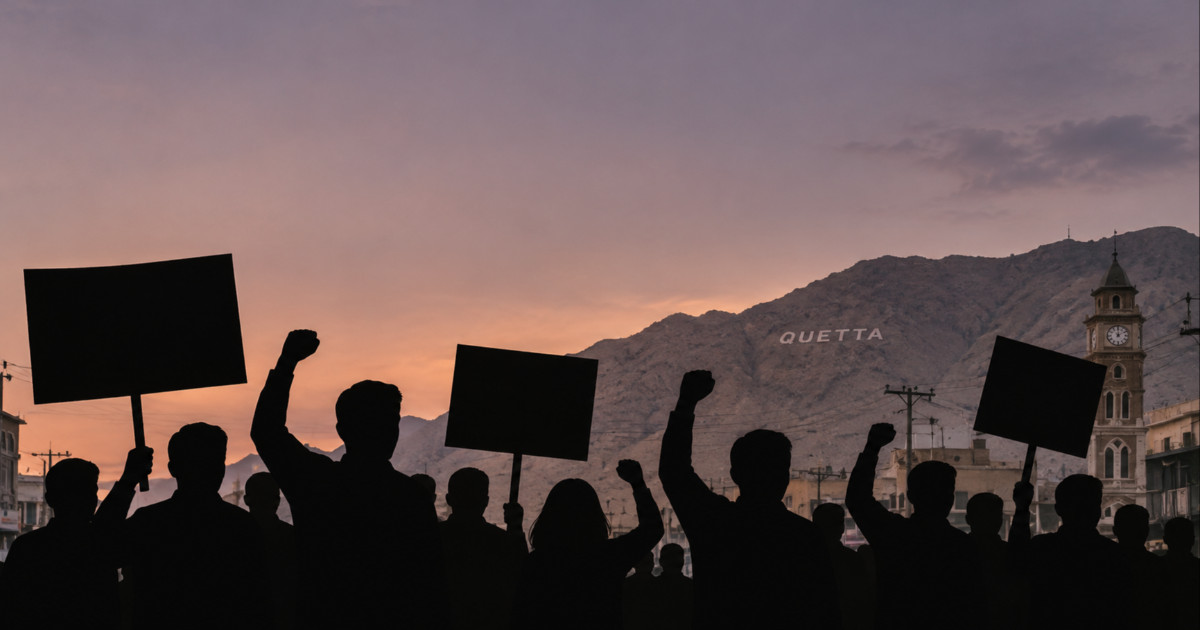
Quetta journalists began a two-day protest at the Quetta Press Club over TV bureau closures, mass layoffs, unpaid salaries, and legal actions. The BUJ and PFUJ demand the reopening of bureaus, bank-paid salaries, and reinstatement of dismissed staff.Summary
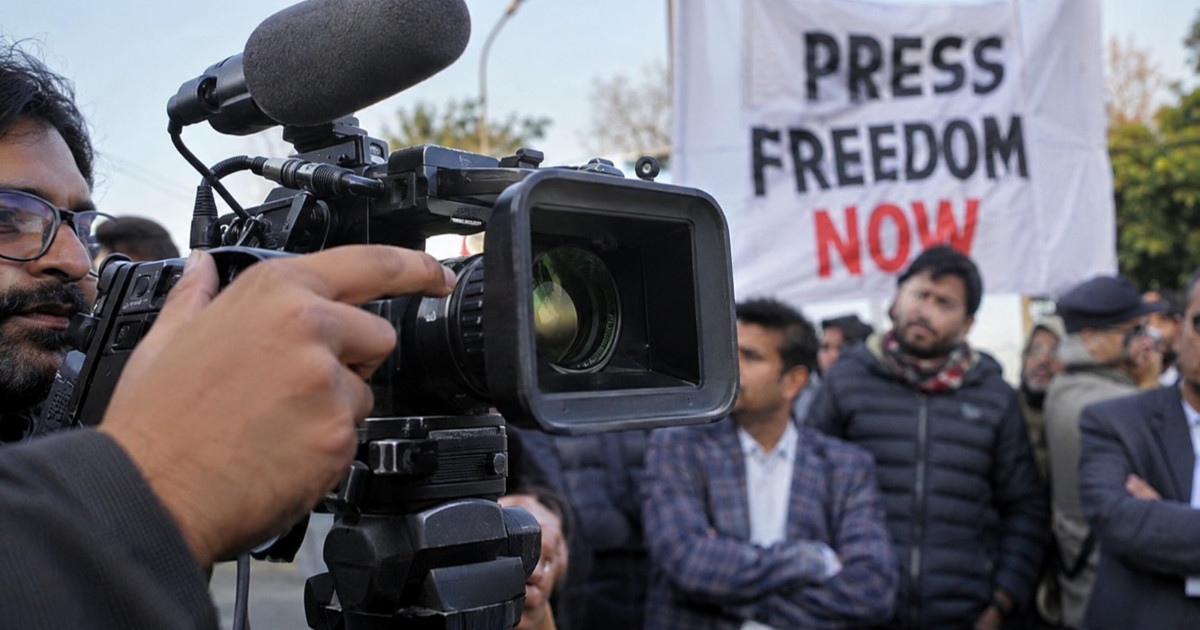
QUETTA — Journalists began a two-day protest outside the Quetta Press Club on Monday against the closure of television news bureaus, widespread layoffs, unpaid salaries and legal action against media workers, intensifying a campaign over deteriorating conditions in Pakistan's news industry.
The protest, organized by the Balochistan Union of Journalists (BUJ) as part of a nationwide movement by the Pakistan Federal Union of Journalists (PFUJ), comes days after the Balochistan Assembly unanimously adopted a resolution calling for the reopening of closed television bureaus and the reinstatement of dismissed journalists.
Assembly calls for reopening of bureaus
The November 20 resolution, moved by Jamaat-e-Islami legislator Maulana Hidayat-ur-Rehman Baloch, identified 11 television channel bureaus that had closed in Quetta and referred to more than 122 media employees losing their jobs through closures and downsizing.
According to Dawn's November 21 report, the resolution also called for government advertising to be linked to permanent employment, timely payment of salaries through banks and compliance with minimum wage requirements. Lawmakers expressed concern about the declining representation of Balochistan in national media coverage.
Journalists raise employment and legal concerns
BUJ President Manzoor Ahmed Rind and other union leaders have repeatedly warned that the closure of bureau offices is weakening journalism in a province where reporting already faces significant geographical, financial and security challenges.
Union representatives say the loss of newsroom operations affects not only journalists' livelihoods but also the ability of television networks to maintain a consistent reporting presence outside Pakistan's major media centers.
The current protest follows a series of demonstrations over forced dismissals, delayed wages and restrictions on freedom of expression. On November 3, journalists across Pakistan observed a Black Day, with demonstrations in Karachi, Lahore, Islamabad and several cities in Balochistan.
JournalismPakistan reported on November 4 that protesters in Quetta highlighted the closure of television bureaus and the resulting job losses. Union representatives at the time estimated that approximately 150 journalists and media workers had been affected, although the figures were not independently verified.
PFUJ challenges PECA enforcement
The protests also target the Prevention of Electronic Crimes Act (PECA) and actions taken against journalists under cybercrime legislation.
PFUJ President Afzal Butt has raised concerns about what he describes as growing censorship, legal pressure and the economic vulnerability of journalists. In remarks reported by Lord Media on November 23, he also expressed concern over action by the National Cyber Crime Investigation Agency (NCCIA) and restrictions affecting journalists and social media activists.
The Balochistan government has previously defended legal action involving journalists, maintaining that authorities are entitled to act against allegedly false information. Journalists' organizations have questioned the use of cybercrime legislation against media professionals.
The dispute has brought two separate pressures into sharper focus: newsroom closures that threaten employment and legal measures that journalists say restrict their ability to report independently.
A widening campaign over media jobs
The Quetta demonstration forms part of a broader PFUJ campaign that has included protests in Karachi and other cities.
Journalists' organizations are demanding an end to forced layoffs, payment of outstanding salaries, restoration of closed bureaus and stronger employment protections. Union leaders have also indicated that the campaign will eventually reach Islamabad.
The worsening employment situation has raised questions about the responsibilities of media owners and regulators when television channels reduce their reporting operations in provincial centers.
JournalismPakistan examined these concerns in a November 4 special report on journalists' employment rights following newsroom closures. The report noted that legal protections can vary according to employment status, the type of media organization, and the applicable labor laws.
The closures in Balochistan also carry consequences beyond employment. Fewer functioning bureaus mean fewer professional reporting teams covering provincial affairs, local communities and developments that may otherwise receive limited national attention.
The Assembly's resolution has given the journalists' demands political recognition. However, the reopening of offices, restoration of jobs and enforcement of employment protections will require action beyond the resolution itself.
For journalists demonstrating in Quetta, the immediate demands concern jobs, wages and professional freedom. The larger issue is whether Pakistan's national media organizations can continue reducing their provincial presence without further weakening coverage of regions already struggling for adequate representation.
ATTRIBUTION: Reporting by JournalismPakistan. Based on the Balochistan Union of Journalists' November 23 protest campaign, the Balochistan Assembly's November 20 resolution, and JournalismPakistan's earlier reporting on newsroom closures, layoffs, and journalists' employment rights. Additional details were verified through published reports.
PHOTO: AI-generated; for illustrative purposes only.
Key Points
- Two-day protest held outside the Quetta Press Club over closures and layoffs.
- Organised by the Balochistan Union of Journalists as part of a PFUJ nationwide movement.
- Balochistan Assembly passed a resolution calling for reopening bureaus and reinstatement.
- Union demands include bank-paid salaries, compliance with minimum wage and job security.
- Journalists warn closures weaken reporting amid regional security and financial challenges.
Key Questions & Answers
Why are journalists protesting in Quetta?
They are protesting the closure of television bureaus, widespread layoffs, unpaid salaries and legal action against media workers.
Who organised the protest?
The protest was organised by the Balochistan Union of Journalists (BUJ) as part of a nationwide movement led by the Pakistan Federal Union of Journalists (PFUJ).
What are the main demands of the protesters?
They demand reopening of closed TV bureaus, reinstatement of dismissed staff, timely bank-paid salaries, compliance with minimum wage rules and linking government advertising to permanent employment.
Has any political or legislative body responded?
The Balochistan Assembly unanimously adopted a resolution calling for reopening of bureaus, reinstatement of journalists and measures to protect media representation from the province.
Ask AI: Understand this story your way
AI EnabledDig deeper, ask anything — get instant context, background, and clarity.
Disclaimer: This feature is powered by AI and is intended to help readers explore and understand news stories more easily. While we strive for accuracy, AI-generated responses may occasionally be incomplete or reflect limitations in the underlying model. This feature does not represent the editorial views of JournalismPakistan. For our full, verified reporting, please refer to the original article.