
Tributes highlight enduring legacy of BBC journalist Sir Mark Tully
JournalismPakistan.com | Published: 26 January 2026 | JP Staff Report
Join our WhatsApp channel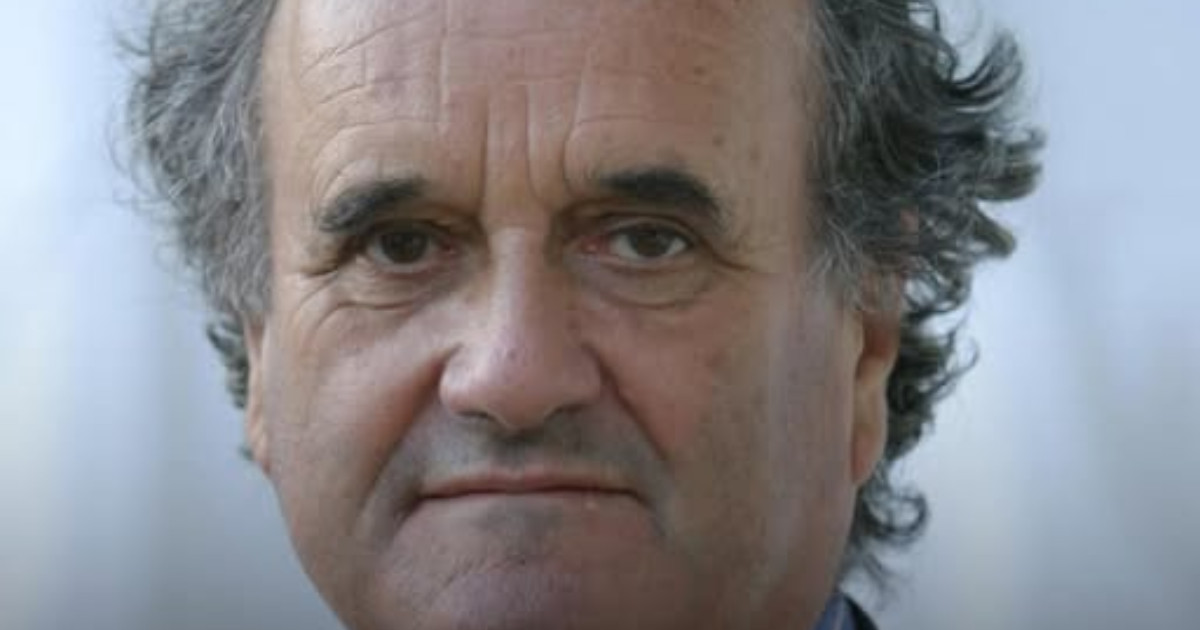
Sir Mark Tully, a veteran BBC correspondent and author, died aged 90 in New Delhi after a stroke led to organ failure. Peers praised his decades of contextual reporting on South Asia and noted his work on the 1971 Bangladesh war and the 1992 Ayodhya events.Summary
NEW DELHI — Tributes continue to reflect on the life and work of veteran BBC journalist and author Sir Mark Tully, whose death at the age of 90 has prompted renewed discussion about his influence on international reporting on South Asia. Tully died on Sunday (January 25, 2026) at a private hospital in New Delhi, where he had been receiving treatment after falling ill earlier in the week.
The cause of death was reported as multi-organ failure following a stroke. On the news of his passing, reactions from journalists, scholars, and public figures have continued to underscore the depth of his professional legacy and the lasting relevance of his work.
A correspondent who shaped global understanding
Sir Mark Tully was best known for his long tenure as the BBC’s New Delhi bureau chief, a position he held for more than 20 years. During that time, he became one of the most recognizable international voices explaining India and the wider South Asian region to global audiences.
His reporting covered defining historical moments, including the 1971 Bangladesh Liberation War and the demolition of the Babri Masjid in Ayodhya in 1992. Colleagues and media commentators have noted that his work stood out for its emphasis on historical context, social complexity, and the perspectives of ordinary people affected by major events.
Beyond breaking news and headlines
After leaving day-to-day correspondent duties, Tully remained closely associated with the BBC through his later work as host of the Radio 4 program Something Understood. The program focused on spirituality, ethics, and personal belief, marking a shift from hard news to reflective broadcasting.
He also continued writing books that examined India’s political and social life, blending reporting with long-form analysis. These works reinforced his reputation as a journalist who resisted simplistic narratives and sought to interpret South Asia through sustained observation and engagement.
Recognition and lasting influence
Both Britain and India formally recognized Tully’s contributions. He received a knighthood from the United Kingdom for services to journalism and was awarded India’s Padma Bhushan, one of its highest civilian honors, acknowledging his role in fostering international understanding of Indian society.
In the days following his death, reflections on his career have emphasized not only the stories he covered but the standards he set for foreign correspondence. His approach continues to be cited in discussions about credibility, independence, and depth in international reporting.
WHY THIS MATTERS: For Pakistani journalists and media professionals, Sir Mark Tully’s career highlights the importance of regional expertise and long-term reporting in South Asia. His work remains a reference point for how international journalism can responsibly cover complex societies without reducing them to stereotypes or breaking-news cycles.
ATTRIBUTION: Based on publicly reported information from international media reports, BBC archival material, and official honors records.
Key Points
- Sir Mark Tully died aged 90 in New Delhi after a stroke led to organ failure.
- He served for over 20 years as the BBC's New Delhi bureau chief and became a prominent voice on South Asia.
- His reporting encompassed major events such as the 1971 Bangladesh Liberation War and the 1992 Ayodhya demolition.
- After frontline reporting he hosted BBC Radio 4's Something Understood, focusing on spirituality and ethics.
- Journalists, scholars and public figures paid tribute to his contextual, people-focused approach to international reporting.
Relevant Topics
Ask AI: Understand this story your way
AI EnabledDig deeper, ask anything — get instant context, background, and clarity.
Disclaimer: This feature is powered by AI and is intended to help readers explore and understand news stories more easily. While we strive for accuracy, AI-generated responses may occasionally be incomplete or reflect limitations in the underlying model. This feature does not represent the editorial views of JournalismPakistan. For our full, verified reporting, please refer to the original article.