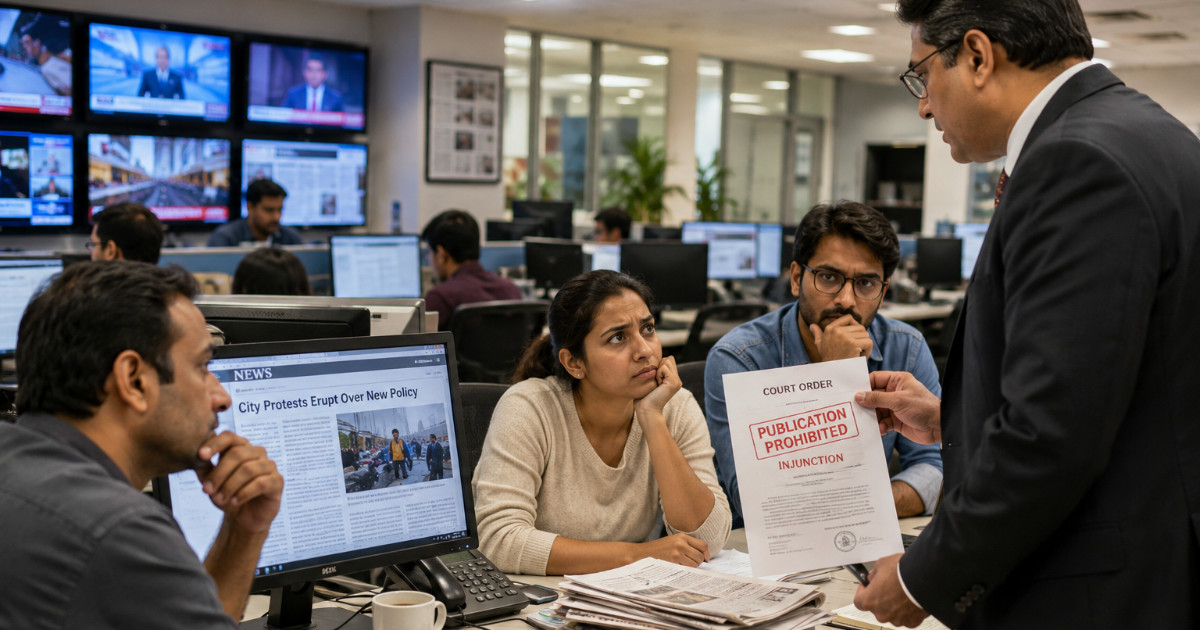

Mali media outlets go silent over editor's arrest
JournalismPakistan.com | Published: 13 March 2013
Join our WhatsApp channel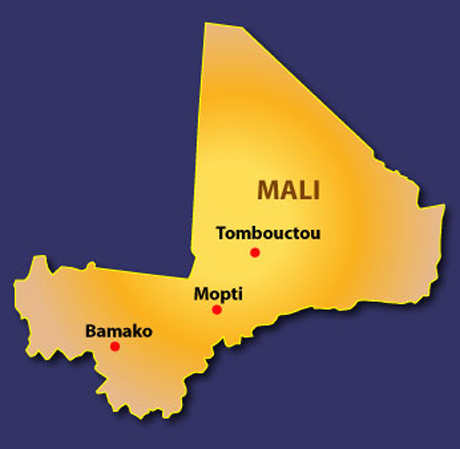
Media outlets in Mali have gone silent in response to the arrest of editor Boukary Daou. His detention follows the publication of a letter criticizing the salary of a military leader.Summary
BAMAKO, Mali: The airwaves in Mali's capital fell silent on Tuesday and newspapers didn't print a morning edition in protest over the arrest last week of an editor who published an open letter challenging the salary of the country's coup leader.
Boukary Daou, editor-in-chief of The Republican newspaper, was taken away by agents from Mali's intelligence service on March 6, soon after his newspaper published a letter from an army officer denouncing Capt. Amadou Haya Sanogo's recently-decreed salary of $8,000 per month, an incredibly high salary in the impoverished country. The letter argues that the salary — as much as 26 times what Sanogo earned before last year's coup — is in fact an incentive for future coups.
Sanogo seized power a year ago last March. Faced with international sanctions, he was forced to relinquish control just weeks later, but succeeded in negotiating a golden parachute for himself, including the salary of an ex-head of state. Despite officially stepping down, country watchers say Sanogo remains the power behind the throne, as Daou's arrest seven days ago underscores.
The media strike began on Tuesday and "will continue until Boukary Daou is freed," according to a statement from the country's press association.
President Dioncounda Traore defended the decision to arrest Daou and said that if he is innocent, he will be freed. Speaking to reporters during a stop in the capital of neighboring Senegal, Traore said the letter published in The Republican was subversive, and aimed to demoralize the nation's troops at a time of war.
"Mali is in a state of emergency. We all need to remember this. We are in a state of war, and we cannot allow this kind of thing," he said. "If he is guilty, he will need to answer to the courts. If he is not, there's no reason he'll be kept in prison," he added. - AP
Key Points
- Boukary Daou was arrested for publishing a controversial letter.
- Media outlets in Mali protested by halting broadcasts and print editions.
- The letter challenged the high salary of coup leader Capt. Sanogo.
- President Traore defended the arrest, citing national security concerns.
- The media strike aims to secure Daou's release.
Ask AI: Understand this story your way
AI EnabledDig deeper, ask anything — get instant context, background, and clarity.
Disclaimer: This feature is powered by AI and is intended to help readers explore and understand news stories more easily. While we strive for accuracy, AI-generated responses may occasionally be incomplete or reflect limitations in the underlying model. This feature does not represent the editorial views of JournalismPakistan. For our full, verified reporting, please refer to the original article.