
Seven evidence-based media predictions for Pakistan and beyond in 2026
JournalismPakistan.com | Published: 4 January 2026 | JP Special Report
Join our WhatsApp channel
An evidence-based outlook on key media trends likely to shape journalism in Pakistan and globally in 2026, separating observable signals from speculation across law, platforms, AI, and trust.Summary
ISLAMABAD — The year 2026 is unlikely to bring dramatic reversals for journalism in Pakistan or internationally. Instead, 2026 is expected to extend pressures and practices already visible across courtrooms, newsrooms, and audience behavior.
From legal challenges to economic strain, many of the forces shaping media are structural rather than sudden. The outlook below identifies cautious, evidence-based expectations drawn from documented developments, clearly separating observable signals from areas of uncertainty.
Legal pressure as a continuing constraint on journalism
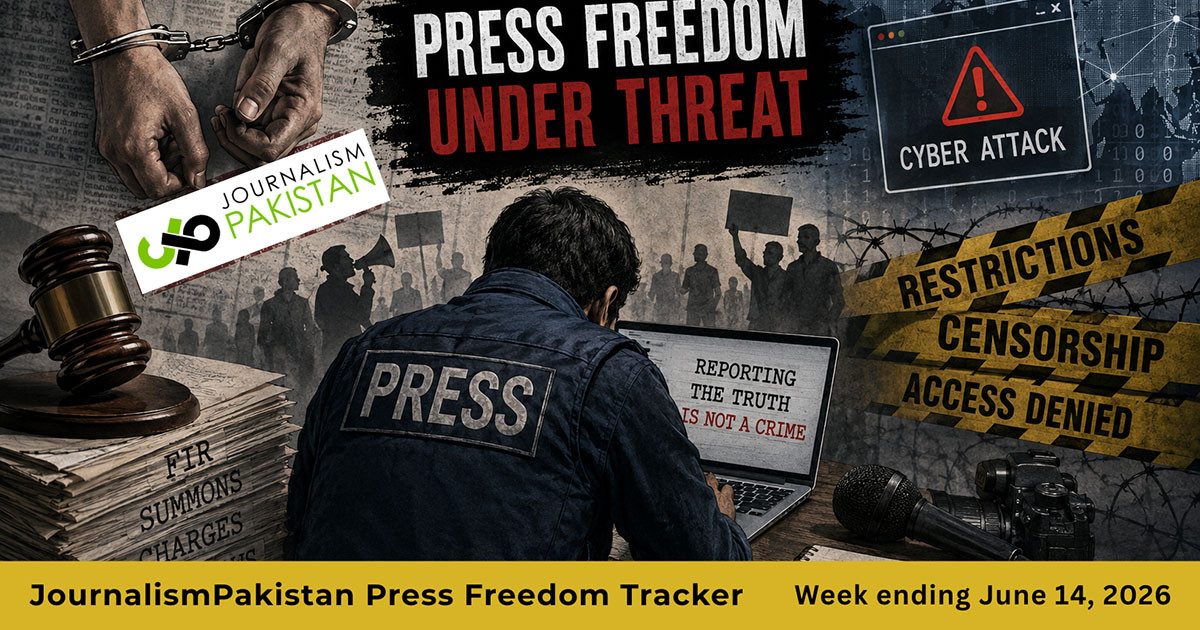
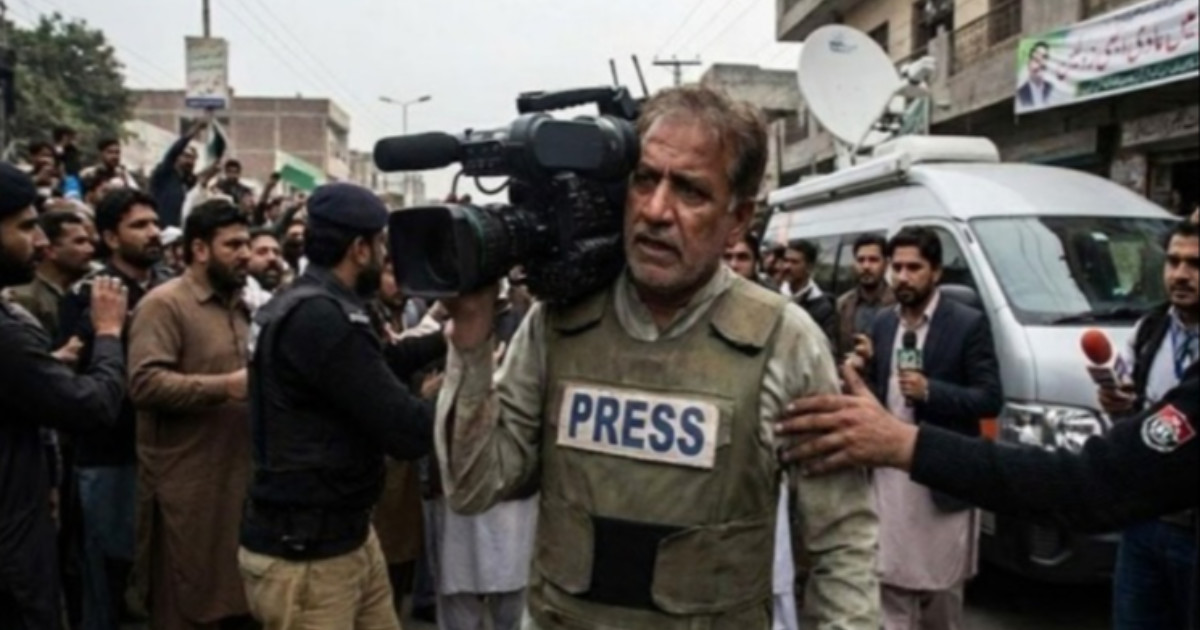
Legal tools are expected to remain a primary source of risk for Pakistani journalism in 2026. Over the past year, defamation notices, cybercrime provisions, contempt proceedings, and regulatory warnings have increasingly replaced outright bans as mechanisms to curb reporting, encouraging self-censorship without formal shutdowns. Comparable trends are visible in India, Turkey, and parts of Eastern Europe, where courts and regulators play a central role in shaping media boundaries.
Whether Pakistani courts will respond more consistently in defense of press freedom remains uncertain. While some rulings have favored expression, there is not yet enough evidence to describe a sustained shift.
Platform dependence deepens across newsrooms
Reliance on global technology platforms is likely to intensify rather than ease. Pakistani outlets continue to depend heavily on YouTube, Facebook, and X for audience reach and revenue as print advertising declines. Internationally, even large Western publishers face similar exposure to algorithm changes, with limited success in shifting audiences to owned platforms.
Predictions of a large-scale move toward newsletters, apps, or decentralized platforms remain speculative. Without major changes to platform monetization or audience behavior, dependence is expected to deepen.
AI adoption remains cautious and behind the scenes
Artificial intelligence is expected to spread quietly across Pakistani and regional newsrooms. Tools for transcription, translation, headline testing, and social media summaries are already in use, often without formal policies. Globally, major outlets have prioritized efficiency gains over visible automation of reporting.
Claims that AI will replace core journalistic functions remain unproven. Investigative, court, and political reporting in high-risk environments continues to rely on human judgment, sourcing, and accountability.
Audience trust stays fragmented
Audience trust is likely to remain uneven rather than collapse or rebound sharply. Engagement patterns show growing skepticism toward media institutions as a whole, alongside continued trust in individual journalists, specific formats, or niche outlets. In Pakistan, reporters with strong digital identities often command greater credibility than their organizations.
International research points to the same trend, suggesting trust will continue to shift gradually toward personalities and platforms rather than institutions.
Shrinking regional and cross-border coverage
Financial constraints and safety concerns are expected to further thin regional and cross-border reporting. Pakistani outlets increasingly rely on wire services and secondary reporting for international coverage, reflecting a broader Global South pattern. Western media have also reduced permanent foreign bureaus over time.
While collaborative or donor-backed regional reporting models are often proposed as solutions, there is limited evidence so far that they can be sustained at scale.
Quiet consolidation across the media business
Media business consolidation is likely to continue largely out of public view. Pakistani media groups are already sharing resources, downsizing operations, or informally coordinating content to manage declining revenues. Internationally, mergers and centralized news desks have become common responses to financial pressure.
Whether consolidation strengthens journalism or leads to more uniform content remains uncertain, particularly in politically sensitive environments.
Regulatory ambiguity will challenge digital media
Across Pakistan and the region, governments are introducing new rules covering online news, social media, and AI-driven content. These regulations, intended to address misinformation, national security, and harmful content, are often vaguely worded and unevenly enforced. Pakistani outlets have already faced notices under the PECA Act and other cybercrime provisions, creating uncertainty for digital reporting and social media engagement.
How courts and regulators will interpret these laws in 2026 remains uncertain. Outlets may increase self-censorship, particularly around political, economic, or sensitive social topics, but the precise boundaries are still evolving.
The dominant theme for 2026 is continuity rather than disruption. The challenges facing journalism in Pakistan and beyond are already visible and measurable. What may change is their pace and intensity, not their direction.
PHOTO: By Murali nath from Pixabay
Key Points
-
Legal and regulatory pressure is expected to remain a central risk for Pakistani journalism
-
Dependence on global digital platforms is likely to deepen rather than reverse
-
AI use in newsrooms will expand quietly, focused on efficiency rather than reporting replacement
-
Audience trust will remain fragmented, centered on individuals more than institutions
-
Financial pressure will continue to shrink regional and cross-border reporting capacity
Relevant Topics
Ask AI: Understand this story your way
AI EnabledDig deeper, ask anything — get instant context, background, and clarity.
Disclaimer: This feature is powered by AI and is intended to help readers explore and understand news stories more easily. While we strive for accuracy, AI-generated responses may occasionally be incomplete or reflect limitations in the underlying model. This feature does not represent the editorial views of JournalismPakistan. For our full, verified reporting, please refer to the original article.