.png)
South Korea passes tougher penalties for false media reports
JournalismPakistan.com | Published: 24 December 2025 | JP Asia Desk
Join our WhatsApp channel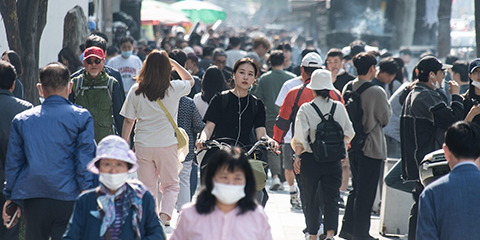
South Korea's National Assembly has passed legislation increasing penalties for media organizations publishing false information. The law introduces heavier fines and raises concerns among journalists about potential self-censorship.Summary
SEOUL — South Korea’s National Assembly has passed legislation imposing tougher penalties on media organizations found to have published what the law describes as false or fabricated information. The bill introduces the possibility of heavier fines and punitive damages, significantly raising the legal and financial risks faced by news outlets.
Lawmakers backing the measure argue that stronger enforcement is needed to curb misinformation and protect the public from demonstrably false reporting. Supporters say existing legal tools were insufficient to deter repeated or harmful falsehoods, particularly in the fast-moving digital news environment.
Concerns from journalists and unions
Journalist unions and press freedom advocates have criticized the legislation, warning that its wording is vague and open to broad interpretation. They argue that unclear definitions of what constitutes false or fabricated information could allow powerful individuals or institutions to pressure news organizations through lawsuits or regulatory action.
Media groups say the threat of punitive damages may discourage investigative reporting, especially on corruption, corporate misconduct, or government accountability. Several journalist associations have stated publicly that the law risks encouraging self-censorship as editors weigh legal exposure against the public interest value of critical stories.
Broader implications for press freedom
The bill has renewed debate in South Korea over how to balance the fight against misinformation with constitutional protections for freedom of expression. South Korea has a highly competitive and influential media sector, and legal changes affecting journalism often draw intense public scrutiny.
Internationally, the move reflects a broader global trend in which governments are seeking stronger controls over false information, while critics warn such measures can be misused. Media analysts note that how the law is enforced will be critical in determining whether it targets deliberate falsehoods or inadvertently restricts legitimate reporting.
ATTRIBUTION: Reporting based on publicly available legislative records and statements from journalist organizations and media freedom advocates.
PHOTO: By wal_172619 from Pixabay
Key Points
- South Korea's parliament approved stronger penalties for media publishing false information
- The law allows for heavier fines and punitive damages against news organizations
- Journalist unions warn vague language could suppress investigative reporting
- Supporters argue the measure is needed to counter misinformation
- The law highlights ongoing global tensions between regulation and press freedom
Relevant Topics
Ask AI: Understand this story your way
AI EnabledDig deeper, ask anything — get instant context, background, and clarity.
Disclaimer: This feature is powered by AI and is intended to help readers explore and understand news stories more easily. While we strive for accuracy, AI-generated responses may occasionally be incomplete or reflect limitations in the underlying model. This feature does not represent the editorial views of JournalismPakistan. For our full, verified reporting, please refer to the original article.