
French inquiry targets state media neutrality before 2027 vote
JournalismPakistan.com | Published: 31 December 2025 | JP Global Monitoring Desk
Join our WhatsApp channel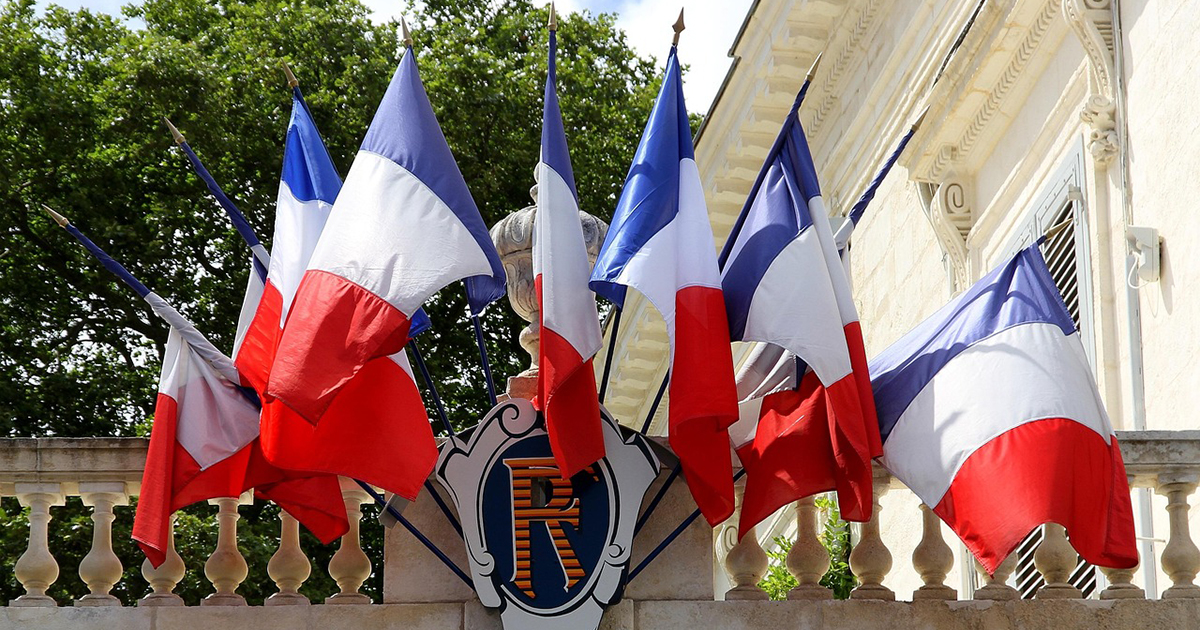
A parliamentary inquiry in France is focusing on the neutrality and governance of public media organizations as the country prepares for the 2027 presidential election. Initiated by the UDR party, the investigation aims to address concerns about political bias and funding models.Summary
PARIS — A parliamentary inquiry in France is examining the editorial neutrality, governance, and funding of major public service media organizations as the country moves toward the 2027 presidential election. The inquiry was initiated by the right-wing UDR party and focuses on state-backed broadcasters, including France Télévisions and Radio France.
The move places public media at the center of a political debate that has intensified in recent years, with questions raised by several parties about whether publicly funded outlets maintain strict impartiality during politically sensitive periods. Supporters of the inquiry argue that stronger oversight is necessary to preserve public trust ahead of a high-stakes national vote.
The inquiry and its political backdrop
The parliamentary initiative comes at a time when media credibility and perceived bias are prominent issues in French political discourse. The UDR has framed the inquiry as a fact-finding exercise aimed at assessing editorial safeguards, decision-making processes, and the relationship between management structures and the state.
While the inquiry does not itself alter broadcasting law, it reflects broader scrutiny by lawmakers over how public media operate during election cycles. Similar debates have surfaced across Europe, where public broadcasters are increasingly drawn into partisan disputes over coverage and balance.
Concerns over independence and funding
Media analysts note that questions surrounding editorial independence are closely linked to funding models. France Télévisions and Radio France rely heavily on public financing, a structure that supporters say guarantees universal access but critics argue can expose broadcasters to political pressure.
Within the inquiry, lawmakers are also expected to examine whether existing regulatory frameworks adequately protect journalistic autonomy while ensuring accountability for public spending. Any recommendations would be advisory but could influence future legislative proposals affecting public service media.
The French debate mirrors wider European tensions, as governments and political movements challenge the role of publicly funded journalism in polarized environments. Observers say the outcome of the inquiry may shape how editorial independence and sustainable funding are discussed in the run-up to the 2027 presidential campaign, even if no immediate policy changes follow.
ATTRIBUTION: Reporting based on publicly stated positions of French parliamentary groups and documented mandates of public service broadcasters.
PHOTO: By Laurent Duval from Pixabay
Key Points
- French lawmakers are investigating state media neutrality before the 2027 election.
- The inquiry was started by the right-wing UDR party targeting France Télévisions and Radio France.
- Key areas of focus include editorial practices, governance, and funding models.
- The inquiry reflects broader European discussions on public service media independence.
- Recommendations from the inquiry could impact future legislation on public media.
Relevant Topics
Ask AI: Understand this story your way
AI EnabledDig deeper, ask anything — get instant context, background, and clarity.
Disclaimer: This feature is powered by AI and is intended to help readers explore and understand news stories more easily. While we strive for accuracy, AI-generated responses may occasionally be incomplete or reflect limitations in the underlying model. This feature does not represent the editorial views of JournalismPakistan. For our full, verified reporting, please refer to the original article.