
Silencing an article in Pakistan makes it louder
JournalismPakistan.com | Published: 3 January 2026 | Shafaat Yar Khan
Join our WhatsApp channel
The article 'It Is Over' by Zorain Nizamani became a focal point in Pakistan after its removal from public access. This incident exemplifies how silencing content can elevate public interest and debate. Historical patterns show that censorship often backfires, intensifying curiosity rather than quelling it.Summary
SYDNEY — Man has always been fascinated by curiosity. It is an instinct that has driven exploration, innovation, and dissent across centuries. From forbidden knowledge to censored ideas, the human urge to know what is hidden often proves stronger than fear or consequence. History repeatedly shows that when information is restricted, curiosity intensifies rather than fades.
The article that became bigger than its content
The recent controversy surrounding the article “It Is Over” by Zorain Nizamani, widely debated within Pakistan and abroad, is a classic illustration of this phenomenon. The article itself contained nothing extraordinary, sensational, or unprecedented. In fact, its arguments echoed discussions that have long dominated Pakistan’s political discourse, television talk shows, and public debates. Yet it suddenly became a focal point of national attention, not because of what it said, but because of what was done to it.
A careful reading of the article reveals familiar concerns: the slowing down of internet services, restrictions on social media platforms such as Twitter (now X), actions taken against YouTubers and digital commentators, and growing scrutiny of lectures and presentations in universities. These are issues that politicians, activists, journalists, and academics have repeatedly raised over the years. They have been debated on prime-time television, discussed in parliament, and aired openly at press conferences. There was, quite simply, nothing in the article that had not been said before, and often more bluntly.
How removal amplified attention
Yet the moment the article was removed from the Express News website, everything changed. While the printed version had already circulated and could not be withdrawn, the act of pulling it down from public viewing transformed an otherwise routine political commentary into an object of intense curiosity. Questions immediately surfaced about why it had been removed, who had objected, and what exactly was considered so objectionable. As a result, people who would normally have ignored the article began actively searching for it. Screenshots were shared, copies circulated privately, and discussions multiplied across social media platforms.
Ironically, this reaction achieved the exact opposite of its presumed intent. Instead of limiting the article’s reach, it amplified it. Instead of neutralising its impact, it elevated it. Curiosity, once triggered, proved unstoppable.
From obscurity to visibility overnight
Another interesting aspect of this episode is the sudden prominence of Zorain Nizamani himself. He is reportedly a regular contributor to Express News, yet until this incident, very few readers were aware of his work or could readily recall his previous writings. Questions began emerging about who he was, what subjects he had addressed in the past, and how long he had been writing for the publication. His name entered public discourse not because of a groundbreaking argument or a particularly provocative stance, but because his article was made inaccessible. In effect, obscurity turned into visibility overnight.
Historical lessons in censorship and curiosity
This pattern is hardly new. History is full of examples where suppression fuelled curiosity rather than extinguishing it. Salman Rushdie’s The Satanic Verses remains one of the most cited cases. When the novel was banned in several Muslim countries, curiosity surged. People who might never have read the book sought it out precisely because it was forbidden. The ban transformed it into a global talking point and dramatically increased its readership.
Pakistan has its own historical precedents. During General Zia-ul-Haq’s era, strict censorship was imposed on the press. Entire paragraphs in newspapers were blacked out before publication. Far from discouraging readers, this practice heightened their interest. People spent hours trying to decipher what might have been written beneath the dark ink, often imagining content far more explosive than reality. The blacked-out text became more powerful than any printed word.
Even in contemporary global politics, the same psychology persists. The fascination with redacted documents, particularly in high-profile cases such as the Epstein files, demonstrates that what is hidden often attracts more attention than what is openly available. Millions of pages may be released, but it is the blurred names, censored paragraphs, and concealed images that command the greatest interest.
A preventable controversy
Viewed against this broader backdrop, the uproar over “It Is Over” appears disproportionate and avoidable. It is, in many ways, a case of much ado about nothing. By reacting hastily, the establishment inadvertently placed itself at the centre of the controversy, particularly since the article was perceived as critical of institutional behaviour. The act of removal created an impression of discomfort and defensiveness, drawing attention to precisely what might otherwise have passed unnoticed.
Had the article been allowed to remain online, it would likely have been consumed briefly and forgotten, like countless other opinion pieces that appear daily. Instead, the response ensured that it would be read more widely, discussed more intensely, and remembered far longer than it ever deserved.
The enduring lesson of overreaction
The episode offers a simple but enduring lesson: in the age of instant information and digital archiving, suppression rarely works. Attempts to control narratives often backfire, turning ordinary commentary into symbols of resistance or intrigue. Curiosity thrives in silence, grows in restriction, and flourishes in absence.
In the end, this was not a story about a dangerous article or a radical writer. It was a story about overreaction, miscalculation, and the timeless power of human curiosity. Curiosity did not kill the cat. It merely exposed the futility of trying to contain it.
ABOUT THE WRITER: Shafaat Yar Khan is a special correspondent for JournalismPakistan.com in Sydney.
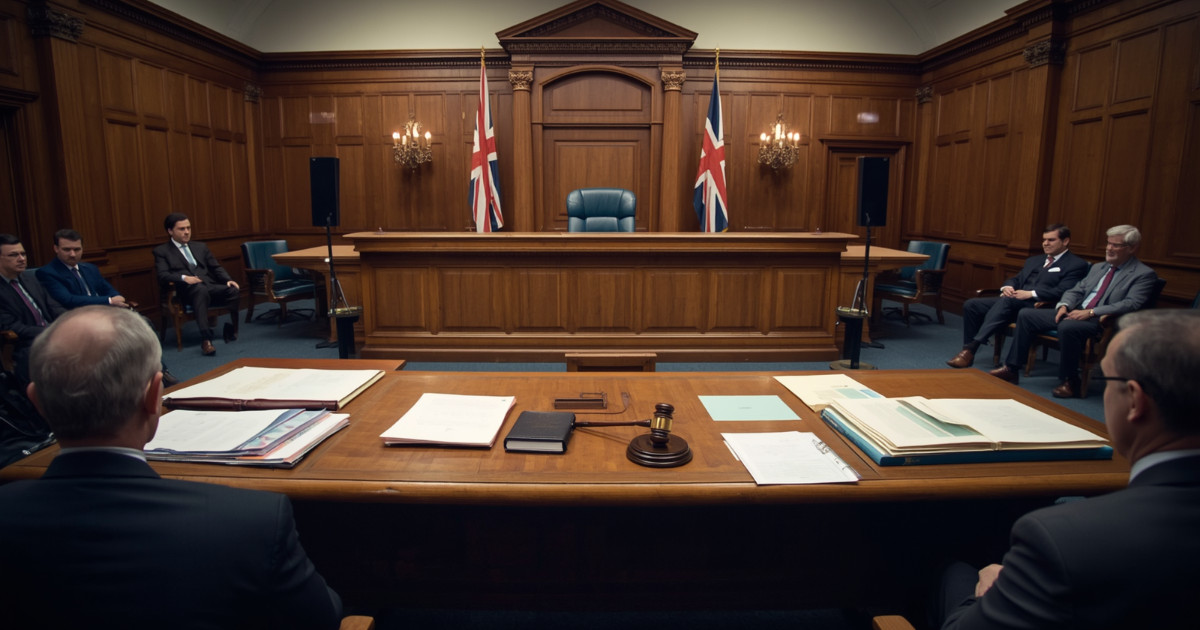
PHOTO: AI-generated; for illustrative purposes only.
Key Points
- The removal of a political commentary in Pakistan drew more attention than its original content.
- Familiar debates on media restrictions gained renewed visibility after suppression.
- Historical examples show that censorship often fuels public curiosity.
- The episode highlights risks of overreaction in the digital age.
Relevant Topics
Ask AI: Understand this story your way
AI EnabledDig deeper, ask anything — get instant context, background, and clarity.
Disclaimer: This feature is powered by AI and is intended to help readers explore and understand news stories more easily. While we strive for accuracy, AI-generated responses may occasionally be incomplete or reflect limitations in the underlying model. This feature does not represent the editorial views of JournalismPakistan. For our full, verified reporting, please refer to the original article.